

Middle East tensions could slash tourist arrivals to Thailand, weigh on GDP

Dhaka: Escalating tensions involving the United States, Israel, and Iran could significantly affect Thailand’s economy, with tourism, energy costs, exports, and overseas workers among the sectors most at risk.
Sorathep Rojpotjanaruch, president of the Restaurant Business Club and honorary advisor to the Thai Hostel Association, warned that prolonged instability in the Middle East may trigger a chain reaction across Thailand’s economic landscape.
He said the first immediate concern involves Thai workers in the region.
Currently, more than 90,000 Thai nationals are employed across several Middle Eastern countries. If the situation deteriorates further, their safety, income, and remittances could be affected, directly impacting households in Thailand that rely on those funds.
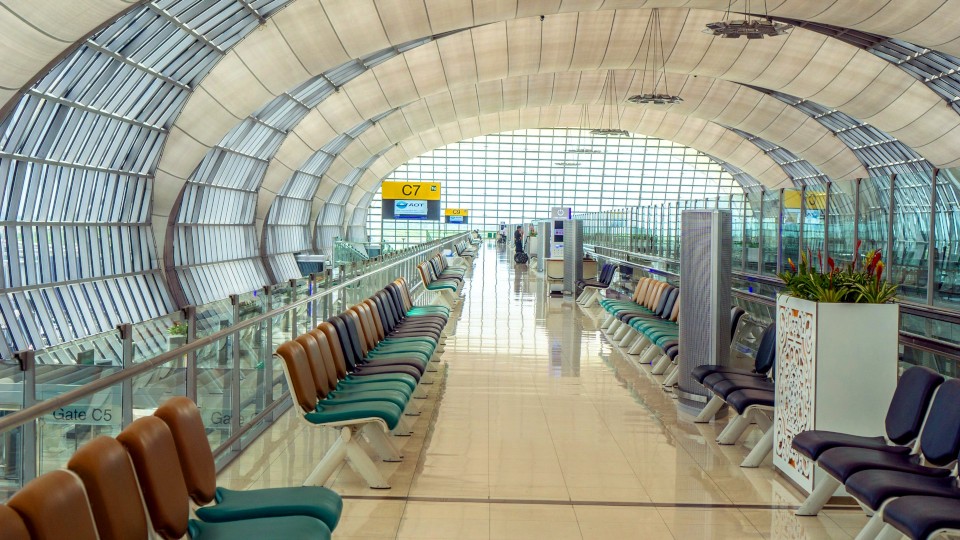
Tourism is the second major concern, as the Middle East is an important market for the sector in Thailand, particularly during its high season between June and September.
Flights from the Middle East to Thailand have already begun to face cancellations, partly due to disruptions linked to Dubai’s role as a major aviation hub. As a result, travel demand from the region could weaken quickly.
Sorathep estimated that tourist arrivals from Israel could decline by around 30% if tensions persist, while visitors from Iran and other Middle Eastern countries could drop by as much as 80%.
He said longer-term effects would likely extend to energy prices, especially oil, fuel, and liquefied petroleum gas (LPG).
Higher energy costs would increase transportation expenses nationwide. Since agricultural goods and consumer products depend heavily on fuel-based logistics, rising costs could gradually drive inflation and push up prices.
Restaurants are expected to be among the sectors most affected, as both ingredient prices and transport costs would increase simultaneously.
Electricity prices could also rise, as Thailand still relies partly on natural gas and fossil fuels for power generation.
On trade, Sorathep said if the conflict continues for more than two months, Thailand could lose a significant portion of its export value to Middle Eastern markets.
Slower trade would lead to rising inventories, placing immediate pressure on exporters. Currency volatility could also increase, affecting both imports of raw materials and exports to the region.
He added that prolonged geopolitical uncertainty could delay foreign investment, as investors assess global economic risks.
Thailand’s government has reportedly set up an economic and security “war room” and maintains oil reserves for about 60 to 61 days.
However, Sorathep noted that roughly 20% of Thailand’s oil consumption comes from Iran, warning that supply disruptions could create additional risks unless alternative sources are secured quickly.
V