

India's national carrier posts record annual loss, seeks capital injection from investors

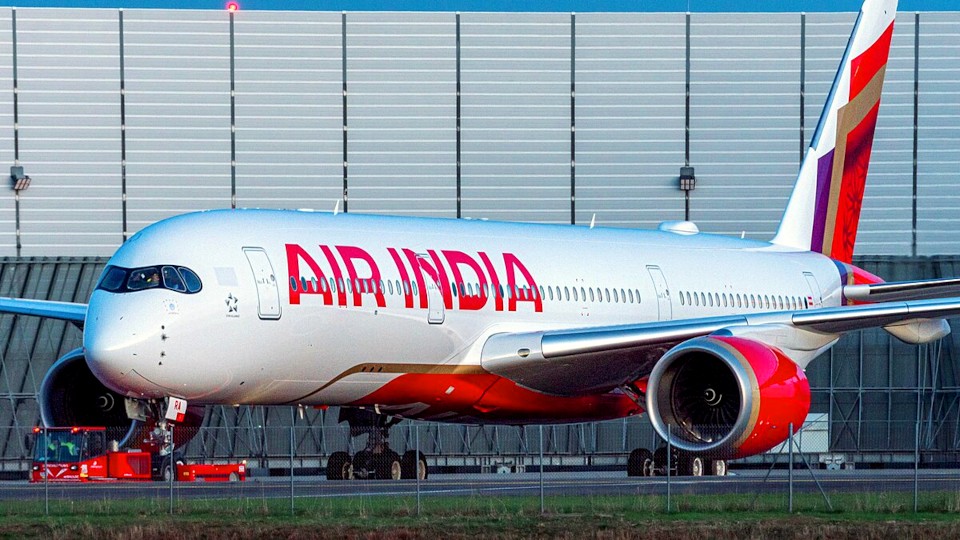
Dhaka: India's national carrier Air India has recorded a wider-than-expected annual loss of INR 220 billion, equivalent to USD 2.4 billion, for the fiscal year ended March 31, said international media reports, citing people familiar with the matter.
The figure substantially exceeds an internal company estimate of USD 1.6 billion that some international media outlets had reported in January and represents the airline's most severe financial shortfall since its privatization by the Tata Group in 2022.
Controlling shareholder Tata Group and Singapore Airlines (SIA), which holds a 25.1% stake in Air India, are in talks to provide a capital injection. The size of any infusion remains under discussion and may fall short of the carrier's full requirements, meaning Air India may need to seek additional financing.
The fiscal year began on an encouraging note, with Air India posting operating profits in the opening weeks of April 2025. That trajectory rapidly reversed as a series of external shocks struck the carrier in quick succession.
In May 2025, Pakistan closed its airspace to Indian airlines following a brief military conflict, forcing carriers onto longer and more expensive routes to North America and Europe. The closure substantially raised fuel costs and compelled the airline to suspend certain long-haul routes.
On June 13, 2025, an Air India Boeing 787 Dreamliner crashed near Ahmedabad in Gujarat, killing more than 240 people. The disaster prompted reductions in both international and domestic services, compounding an already deteriorating revenue picture.
The ongoing Middle East conflict has further weighed on Air India as the region accounts for approximately 16% of the airline's total capacity. Flights to Europe and North America have been diverted to longer routes at a time when jet fuel prices have surged.
Additional pressure came from U.S. President Donald Trump's punitive tariffs on Indian goods and a tightening of approvals for foreign worker visas, which had a direct impact on passenger volumes.
Alongside its financial difficulties, Air India is facing intensifying scrutiny over its technical reliability. A company document submitted to the Indian government in February showed that technical incidents reached their highest recorded rate in at least 14 months in January.
The airline recorded 1.09 technical incidents per 1,000 flights in January, up from 0.26 in December 2024. India's civil aviation ministry told lawmakers that 82.5% of the 166 Air India aircraft analyzed since January 2025 had recurring technical defects, compared with 36.5% for market leader IndiGo.
Air India operates a fleet of 191 aircraft and has placed orders for more than 500 additional planes. Its revamp effort has been hampered by supply chain delays holding back cabin retrofit programs.
Chief Executive Officer Campbell Wilson last week announced his intention to step down later in 2026, without naming a successor or a specific date, adding further instability to an airline navigating acute operational and reputational pressures.
SIA acquired its 25.1% stake in Air India through the merger of its Indian affiliate Vistara with Air India in November 2024. In January 2026, the two carriers signed a commercial cooperation framework agreement in Mumbai, with the airlines currently codesharing on 61 points across 20 countries and territories.
Air India's record losses and mounting safety concerns now cast uncertainty over the pace of that commercial expansion, as both shareholders face the question of how much capital to commit to an airline yet to demonstrate a credible path to profitability.
V