

Starlink's in-flight Wi-Fi gets new competitor from another US tech giant

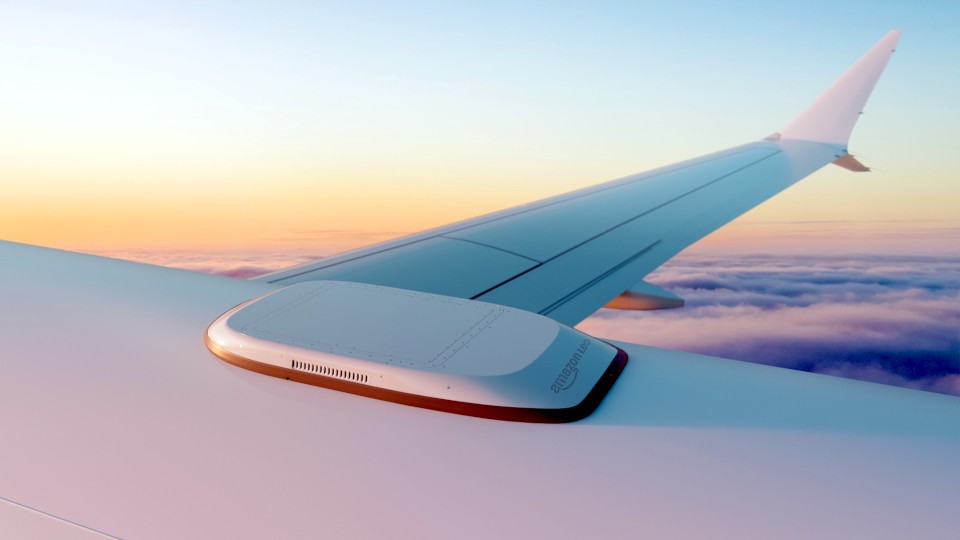
Dhaka: Amazon has unveiled a new satellite internet antenna designed for commercial aircraft, positioning its Leo broadband service as a direct rival to SpaceX's Starlink in the fast-growing in-flight connectivity market.
Amazon's Leo Aviation Antenna is a flat, low-profile dish designed to be installed on the exterior of the aircraft, enabling it to receive signals from low-earth orbit satellites. The design bears a resemblance to Starlink's "Aero Terminal" for commercial jets.
A key advantage Amazon is highlighting is installation time. While SpaceX states its Aero Terminal requires 10 to 14 days of aircraft downtime, Amazon is touting a single-day installation for the Leo antenna.
On the performance side, the Leo Aviation Antenna promises download speeds of up to 1 Gbps and upload speeds of up to 400 Mbps simultaneously.
Amazon noted the bandwidth is shared across all passengers and crew but said speeds are sufficient for gaming, streaming, and a full range of connected experiences.
Starlink has already made significant inroads in commercial aviation. Major carriers including United, Hawaiian, Air France, and Qatar Airways have adopted the SpaceX system.
Amazon, however, is confident its service can generate similar demand.
Trevor Vieweg, director of global business for Amazon Leo, said the company expects the service to be fast and reliable enough that passengers will actively seek out flights featuring Leo connectivity.
Delta and JetBlue have already signed on as Leo customers. Both airlines plan to offer the service free of charge, though Delta will require passengers to enroll in its loyalty program. JetBlue expects to receive Leo connectivity in 2027, while Delta will not get it until 2028.
Despite the bold ambitions, Amazon Leo is still in a private beta phase with just over 240 satellites in orbit — too few for consistent global coverage. The company has faced repeated launch delays and even requested a deadline extension from the Federal Communications Commission.
Amazon plans to officially launch the Leo service in mid-2026, targeting approximately 700 satellites in orbit by then.
The Leo Aviation Antenna is adapted from Amazon's Leo Ultra dish, developed for enterprise users. The aviation-grade version is built to endure the unique stresses of flight, including extreme weather conditions and low temperatures.
The announcement comes as demand for reliable in-flight internet continues to surge. Starlink connected more than 21 million air travelers in 2025 alone, which clearly indicated the commercial potential of the market that Amazon is now targeting.
V