

CAAB outlines Third Terminal concession deal ahead of formal signing on November 30

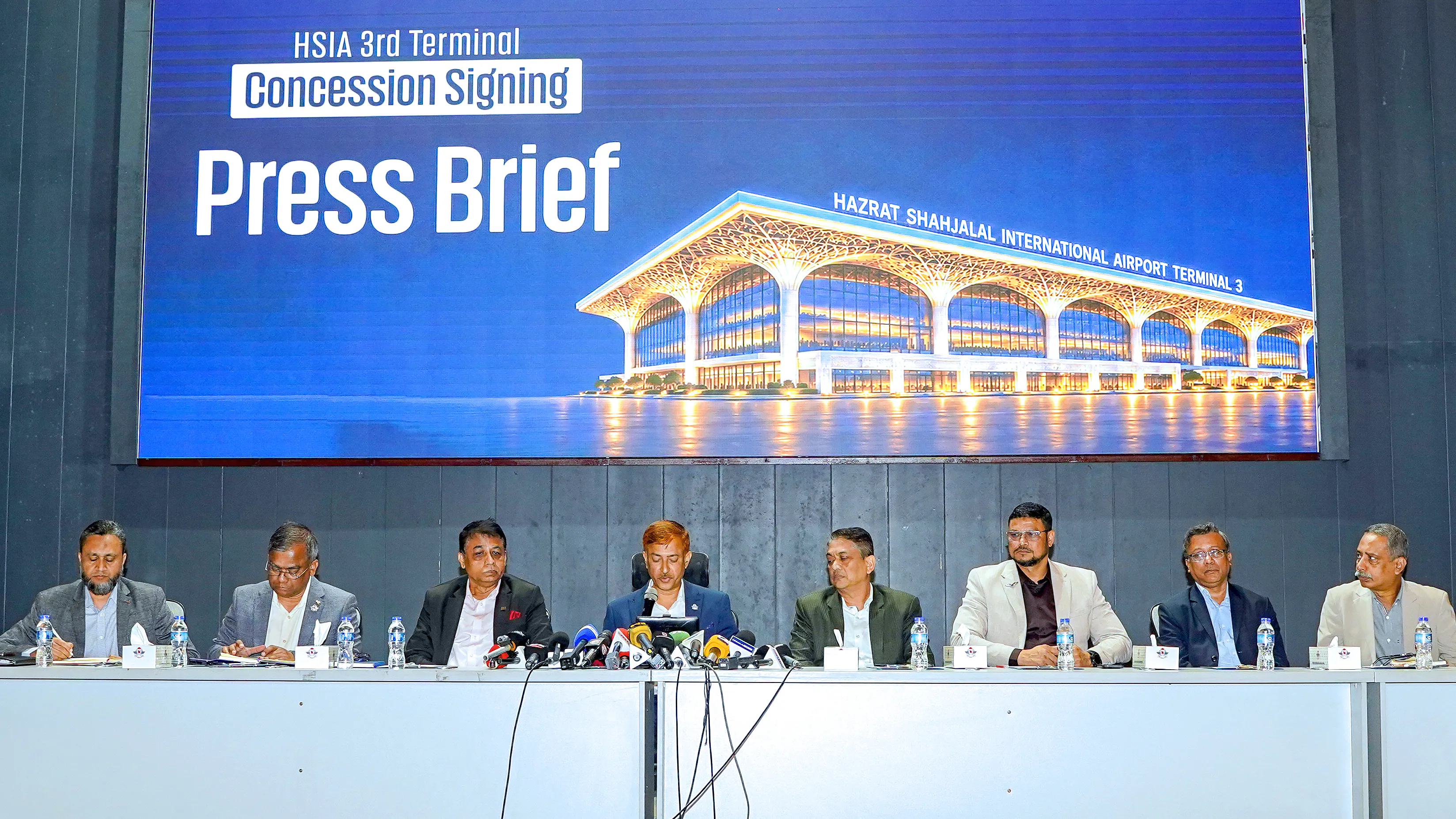
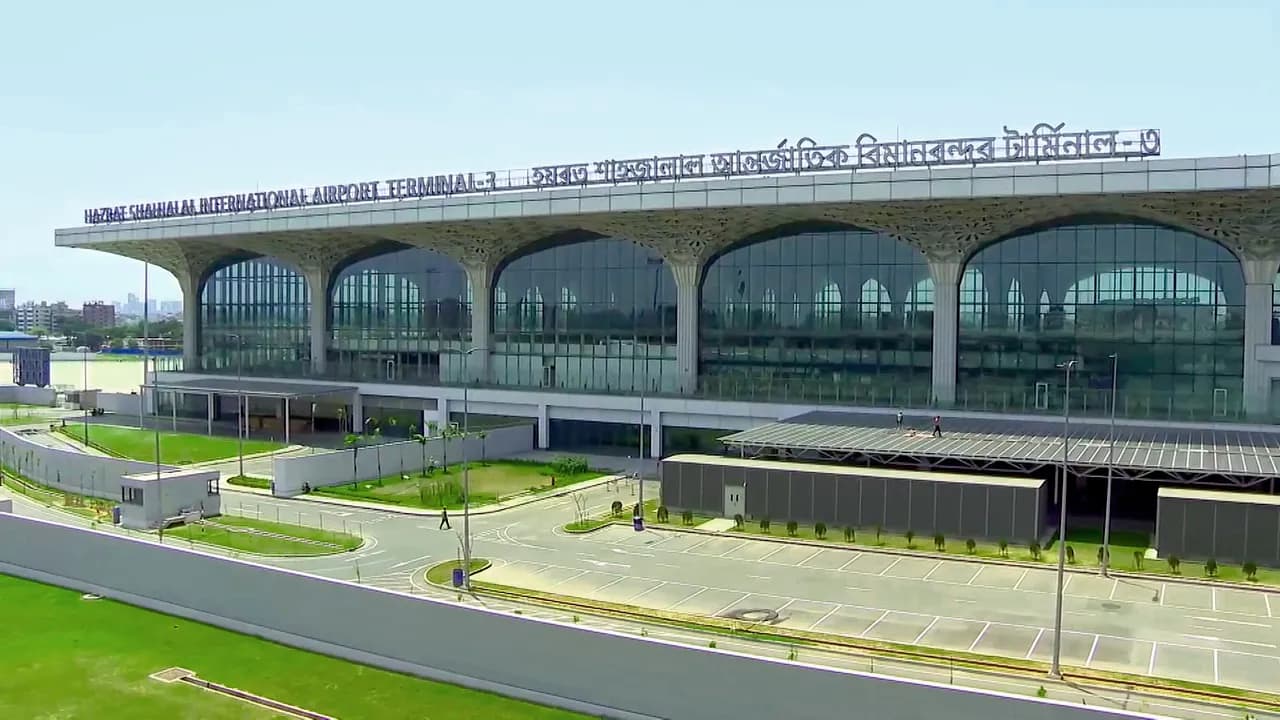
Dhaka: The Civil Aviation Authority of Bangladesh (CAAB) has outlined the terms of the concession agreement for operating and maintaining the Third Terminal of Hazrat Shahjalal International Airport, ahead of its formal signing with the Japanese consortium on November 30.
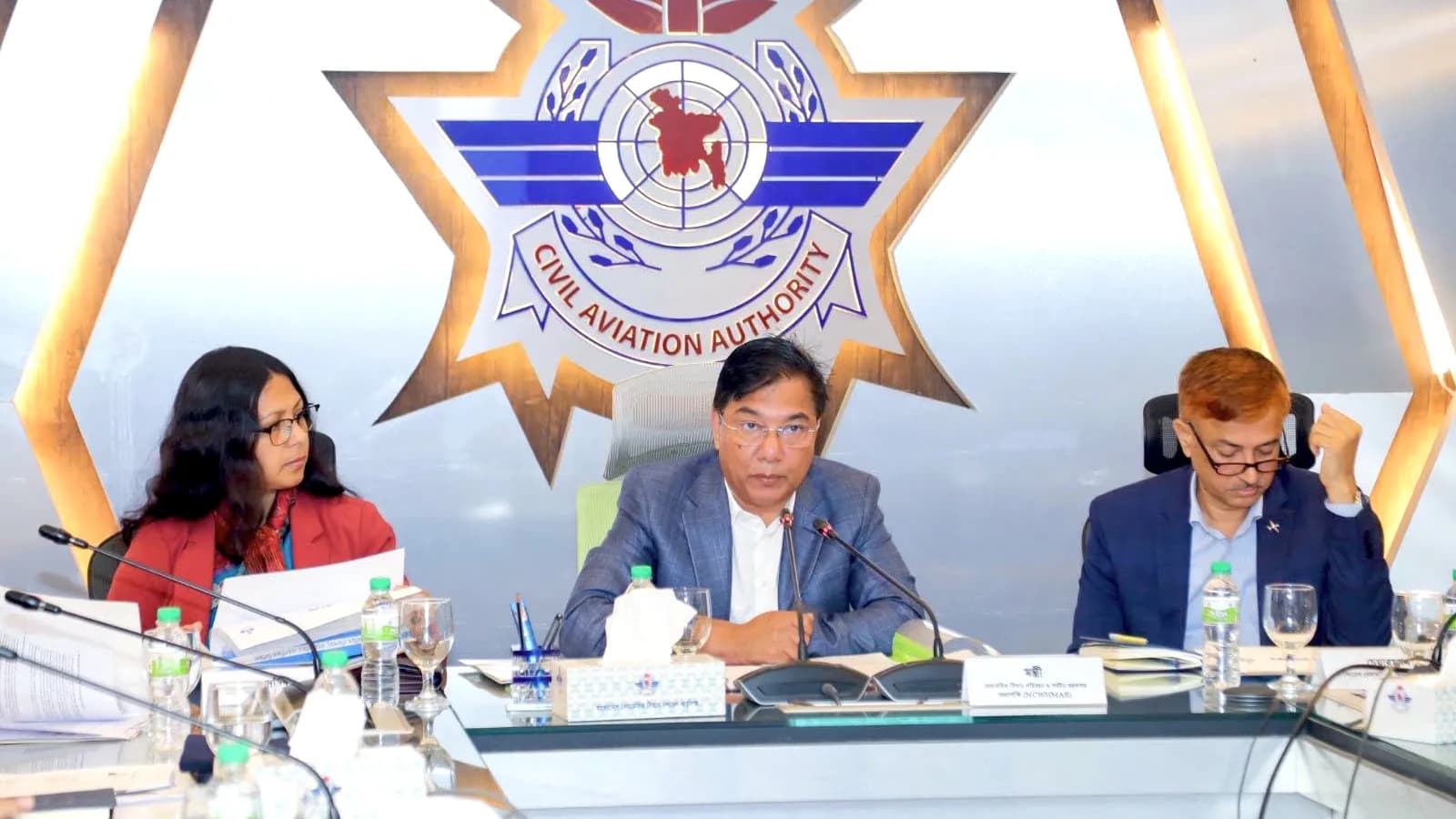
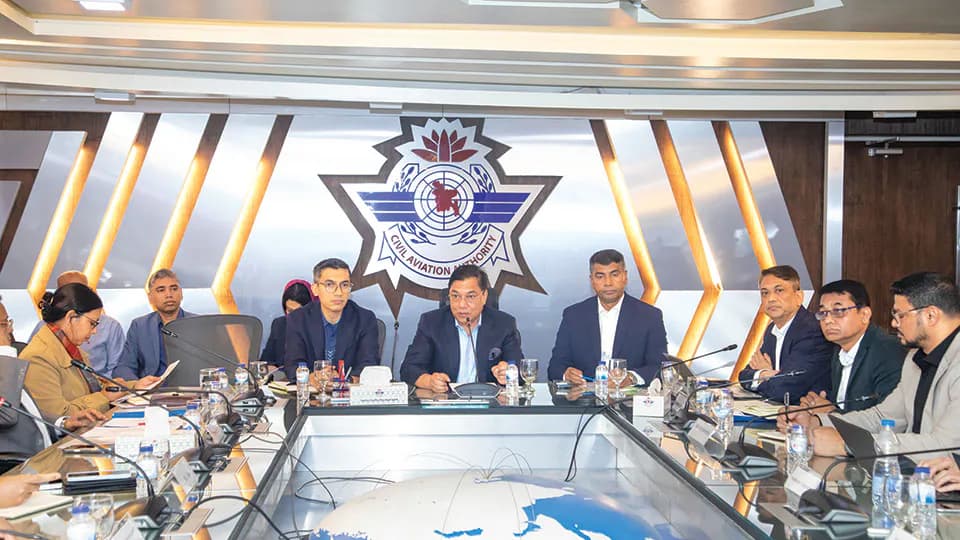
CAAB Chairman Air Vice Marshal Md. Mostafa Mahmud Siddiq shared the information at a press conference held at the agency's headquarters in the capital on November 29. CAAB members, senior officials, and journalists from various media outlets attended the event.
Partial operations from December 16
The chairman said the agreement was finalized after extensive discussions, reviews, and technical and financial assessments. He added that it prioritizes national interests, airport security, and passenger services meeting international standards.
CAAB is preparing to begin partial operations of the terminal on December 16, the Victory Day, initially handling four flights. The number will then increase gradually.
The authority aims to start full-fledged operations within 14 months of the terminal's handover.
Terminal facilities
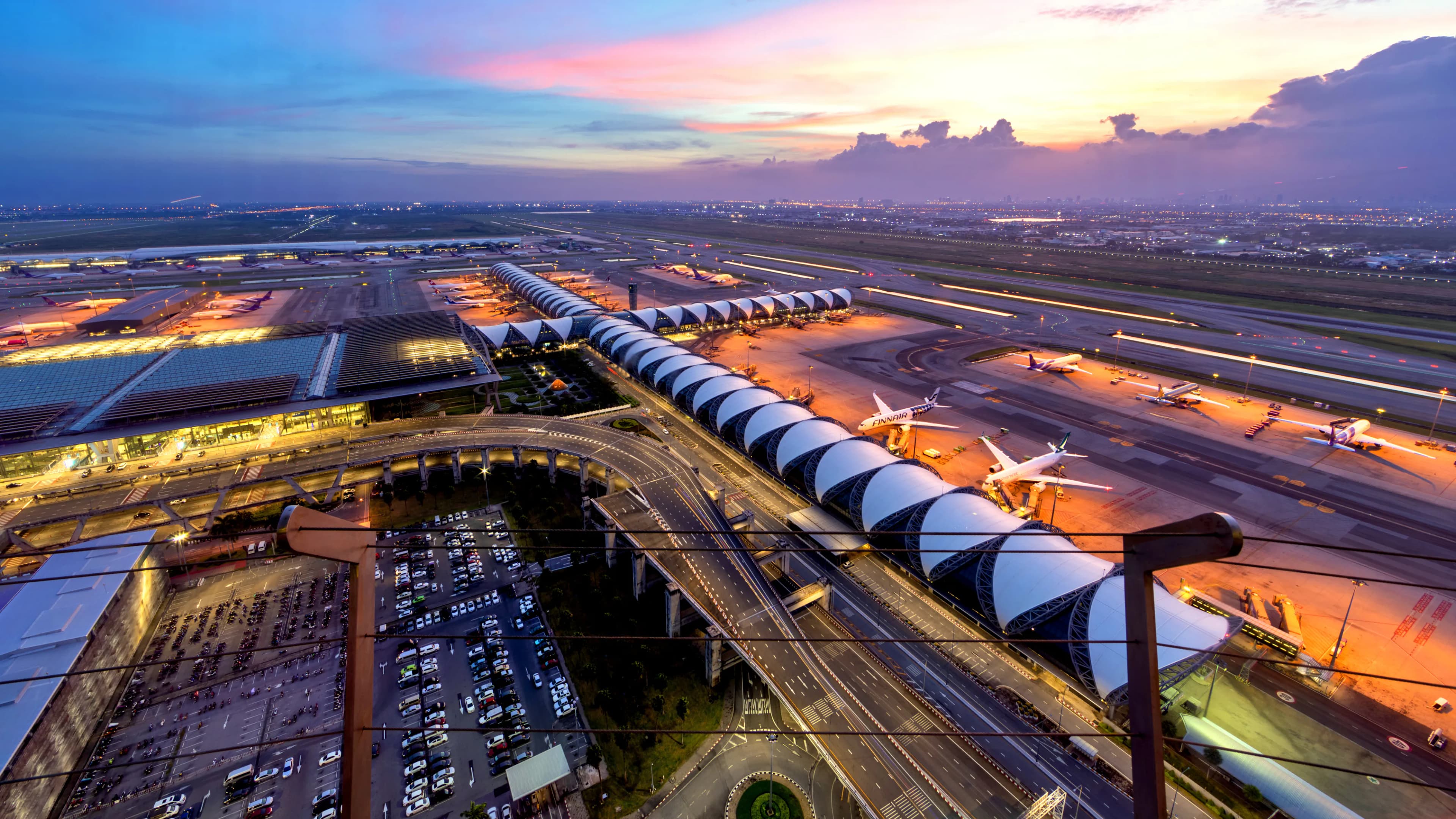
The Third Terminal covers 230,000 square meters and can serve 24 million passengers annually. It has 127 check-in counters, including self-check-in facilities, and 129 passport control counters, of which 114 are manual and 15 are automated.
The terminal also has eight visa-on-arrival counters, 10 transit and transfer counters, and 16 airline ticket counters. For arriving passengers, there are 16 baggage conveyor belts.
For aircraft operations, it features 12 contact boarding bridges and 25 remote parking bays.
On the security front, the facility is equipped with 99 baggage X-ray machines, 22 body scanners, 55 walk-through metal detectors, and 39 explosive trace detection machines. It also has moving walkways, escalators, lifts, and a multi-story car park that can accommodate 1,230 vehicles.
Two new cargo terminals have also been built, a 27,000-square-meter import terminal and a 36,000-square-meter export terminal. Their combined annual handling capacity is 820,411 metric tonnes, comprising 273,470 tonnes of import cargo and 546,941 tonnes of export cargo.
CAAB said the new facilities will increase the airport's cargo handling capacity fourfold.
Concession period, handover
Under the agreement, the concession period will be 15 years. The term will start on the date when all scheduled international flights at the airport are transferred to the Third Terminal.
The concession area will be handed over to the operating company within 15 days of signing the agreement.
The company must serve at least 25% of regular international flights within eight months of the handover. It must then shift all regular international passenger and cargo operations to the new terminal within 14 months.
Responsibilities of operator
The Japanese consortium will operate, repair, and maintain the Third Terminal, the car park, and the new cargo terminals at its own expense. It will also procure, install, and commission additional equipment as required to increase passenger service capacity.
The company will also carry out necessary expansion works on mechanical, electrical, and water supply systems and other associated infrastructure.
After full operations begin, all scheduled international passenger flights will use the Third Terminal, and international cargo will be handled through the new cargo terminals. CAAB may continue using Terminals 1 and 2 for domestic, Hajj, and other non-scheduled flights.
Functions retained by CAAB
CAAB will retain control of critical airport and security-related functions, including the runway, taxiways, apron, air traffic control, aviation safety, security screening, and firefighting and rescue services.
Immigration, customs, health screening, and other state functions will remain with the relevant government agencies.
Revenue arrangements
The operating company will collect the embarkation fee and passenger boarding bridge usage fee for each departing international passenger using the terminal. It will also earn non-aeronautical revenue from shops, lounges, car parking, and advertising rentals.
The company will pay CAAB 13.5% of the total revenue from passenger and cargo operations monthly from the commencement of designated operations.
CAAB's share will rise to 27% once the terminal reaches its stipulated full-capacity milestone or its actual full-capacity utilization, whichever comes first.
Ground handling
Another international ground handling service provider will be introduced at the terminal alongside Biman Bangladesh Airlines. All ground handlers, including those undertaking self-handling, will have to pay royalties to the operating company.
Biman will pay royalties in USD for every metric tonne of cargo handled at the cargo facilities.
Service standards, penalties
The agreement sets minimum service standards and key performance indicators covering terminal cleanliness, lighting, availability of lifts and escalators, check-in, baggage delivery, cargo handling, and car parking.
The first bag must reach the conveyor belt within 15 minutes after the aircraft stops. The last bag must be delivered within 42.5 minutes for narrow-body aircraft and 47.5 minutes for wide-body aircraft.
Average queue waiting times at check-in counters must stay within five or 10 minutes for business-class passengers and within 20 or 30 minutes for economy-class passengers.
Key systems, including the baggage handling system, common use terminal equipment, common use self-service check-in, and flight information display system, must remain operational for 98% or 95% of the stipulated operating time.
The company will face financial penalties for repeated failures to meet these standards. The compensation will range from USD 5,000 to a maximum of USD 35,000 for each instance of non-compliance.
Expected benefits
The CAAB chairman said the terminal's modern technology and passenger-friendly facilities will help increase the country's aviation capacity, expand international air connectivity, and boost tourism, trade, commerce, and investment.
He also sought cooperation from the media and stakeholders through objective reporting, constructive recommendations, and public awareness.
At the end of the press conference, the chairman and other CAAB members answered journalists' questions about the agreement and its implementation.