

Jet order deferrals over Iran war costly for Mideast carriers: IATA VP

Dhaka: Deferring aircraft orders amid uncertainty and higher jet fuel costs stemming from the war in Iran would be unwise for Middle Eastern carriers, an International Air Transport Association (IATA) official has warned, cautioning that such decisions could prove costly in the long run.
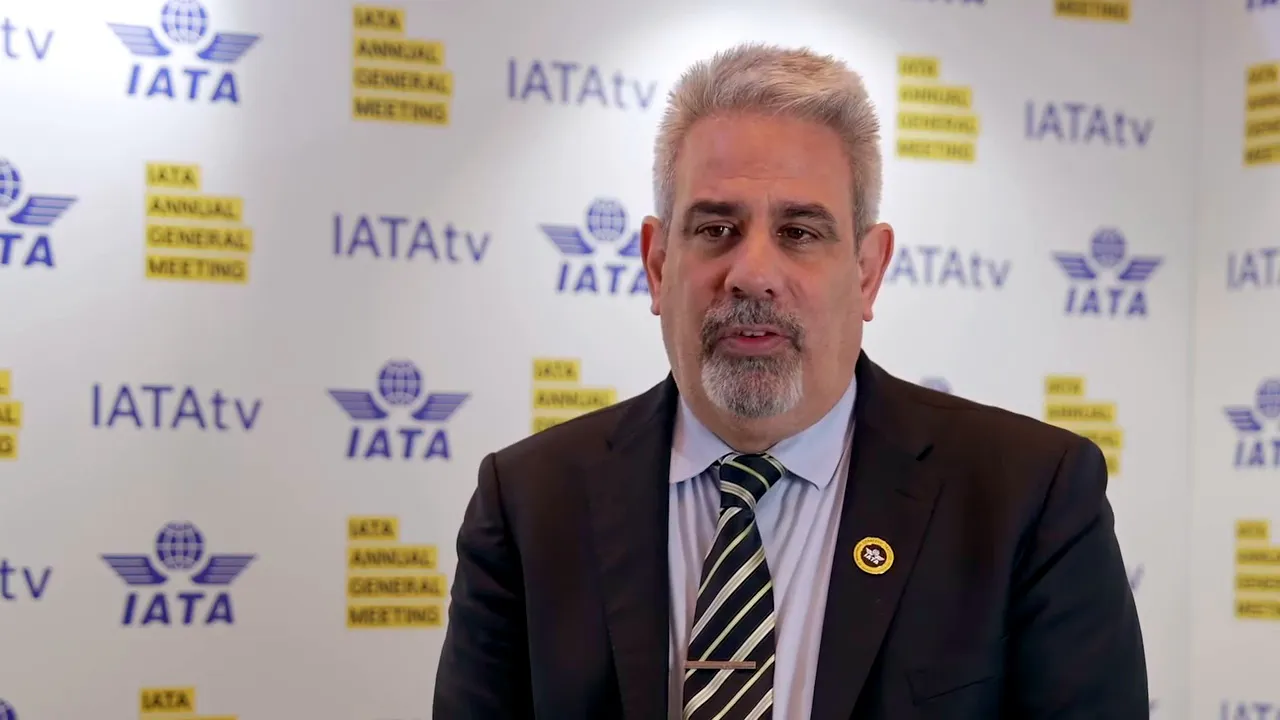
Kamil Al-Awadhi, Regional Vice President for Africa and the Middle East at IATA, made the remarks on June 6 on the sidelines of the airline trade group's annual summit in Rio de Janeiro, Brazil.
Al-Awadhi said he does not expect the conflict or its associated cost pressures to alter aircraft procurement plans among Middle Eastern carriers, which are among the world's biggest buyers of jets from Boeing and Airbus.
"The plan is to continue where we're going... even though this is a hiccup," he told reporters.
He noted that given the lengthy waiting times for Airbus's latest generation of single-aisle aircraft, deferring orders now would leave operators scrambling for jets years down the line.
Global airlines are already cutting flights and raising fares and fees to offset rising costs, even as airports across the Middle East have come under airstrikes linked to the Iran conflict.
Al-Awadhi also expressed concern over an Iranian attack on a Kuwaiti airport earlier in the week that killed one person and damaged a terminal used by foreign carriers.
He estimated the terminal could take well over a year to repair, raising questions about whether international airlines would be able to continue operating into Kuwait.
"My personal guess, looking at the damage from the videos and pictures that were sent to me, it's going to take ages," he said.
He suggested Kuwait would need to either expedite completion of a new terminal or allow foreign carriers to use facilities currently operated by domestic airlines such as Kuwait Airways.
"It will take some tough decisions and logistics to get that sorted," Al-Awadhi added.