

Airbus begins flight tests for next-gen high-span wings

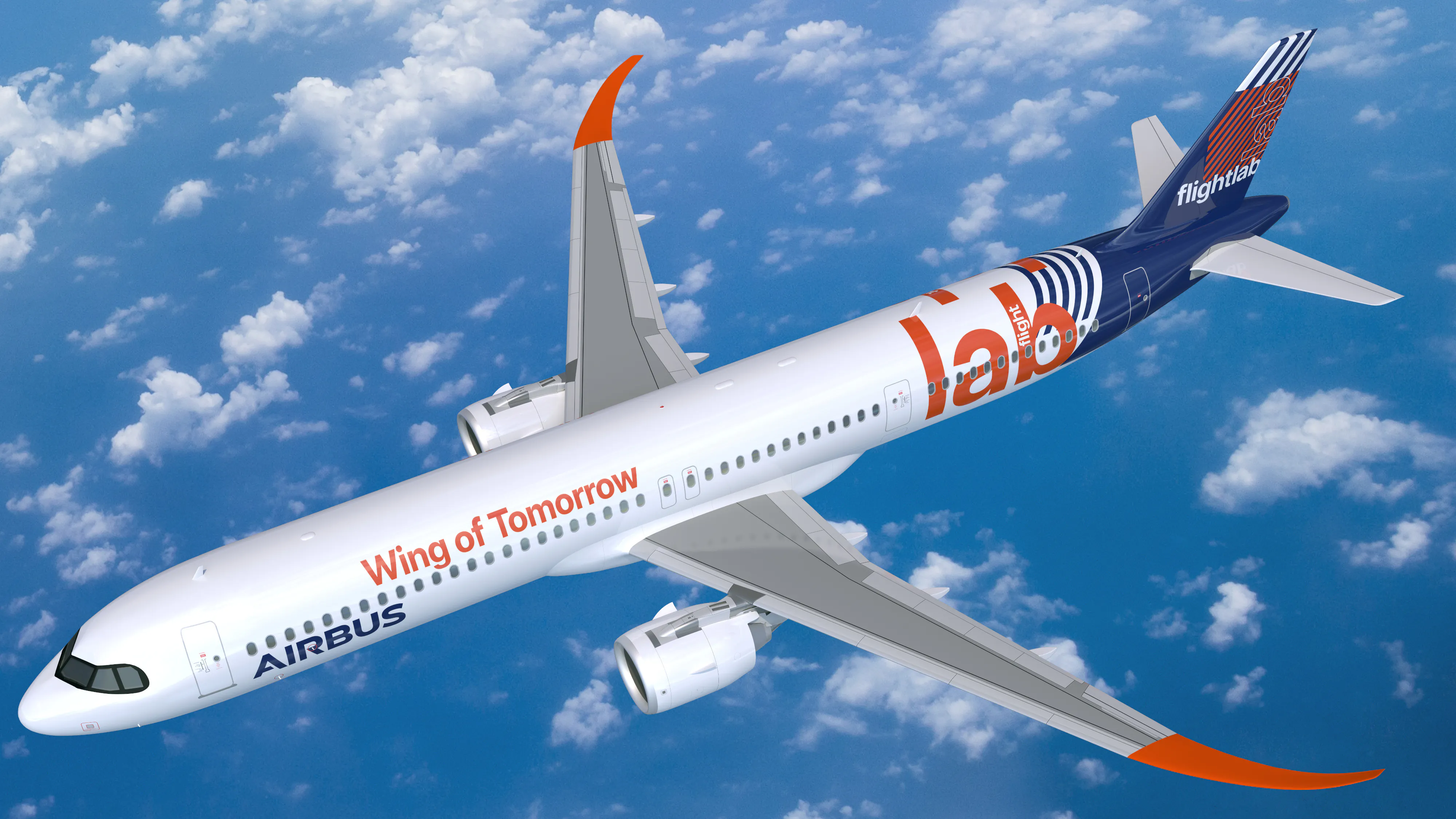
Dhaka: Airbus has launched a new flight-test campaign to evaluate high-span wings designed for its next generation of single-aisle aircraft, marking a fresh phase of its Wing of Tomorrow research and technology program as per an announcement made on July 21.
Over the next three years, the planemaker will design, build, and flight test full-scale wing extensions. These will be fitted to an A321neo aircraft to assess how different wing geometries behave under real flight conditions.
Each extension, measuring several meters, will replicate a folding wing held in its fully extended position during flight. The extensions will carry extensive testing equipment to record in-flight behavior and gauge how a longer wingspan affects aircraft handling.
“For more than 50 years, Airbus has spearheaded aviation innovation, continually pushing the boundaries of what’s possible to deliver more efficient aircraft for future generations. This is why the Wing of Tomorrow program is such an exciting and rewarding journey to be on," said Sue Partridge, Airbus Head of Wing of Tomorrow program.
She added that the wing remains one of the most important levers for improving flight efficiency, making the program central to Airbus's next-generation single-aisle strategy. The upcoming flight-test campaign would let Airbus safely challenge conventional design limits and explore the benefits that come with longer wings.
Airbus is currently relying on advanced digital modeling and wind tunnel testing to finalize the wing extension designs before they move to real-world flight testing. The manufacturer said this flight data is essential to de-risk the concept and unlock the full potential that longer wings could offer future aircraft.
The Wing of Tomorrow program centers on developing longer, lighter, and more slender wings that maximize aerodynamic efficiency and cut fuel burn. The wing extensions will be assembled at Airbus's Wing Technology Development Centre in the UK, then flight tested in Toulouse, France.
Airbus has already built three 17-meter ground-based wing demonstrators to study the benefits of increased wingspan, along with more than 100 related manufacturing and assembly technologies.
The Wing of Tomorrow program has been running since 2014, backed by GBP 227 million in funding from the Aerospace Technology Institute program, a partnership between the ATI, the UK's Department for Business and Trade, and Innovate UK. The initiative aims to keep the United Kingdom at the forefront of global aerospace technology development.