

Five-month passenger decline streak ends for Asia Pacific airlines in September

Dhaka: Asia Pacific airlines carried 30.4 million international passengers in September, a marginal 0.7% rise from a year earlier, according to preliminary figures from the Association of Asia Pacific Airlines (AAPA) released on October 29.
The growth ended five consecutive months of year-on-year declines. Performance remained uneven across markets, as capacity cuts weighed on traffic on some routes. Longer-haul markets continued to grow, partly as passengers chose routings that avoided Middle East hubs.
Passenger demand, measured in revenue passenger kilometers (RPK), rose 5.9%, while seat capacity expanded 6.8%. As a result, the average international passenger load factor fell 0.6 percentage points to 80.2%.
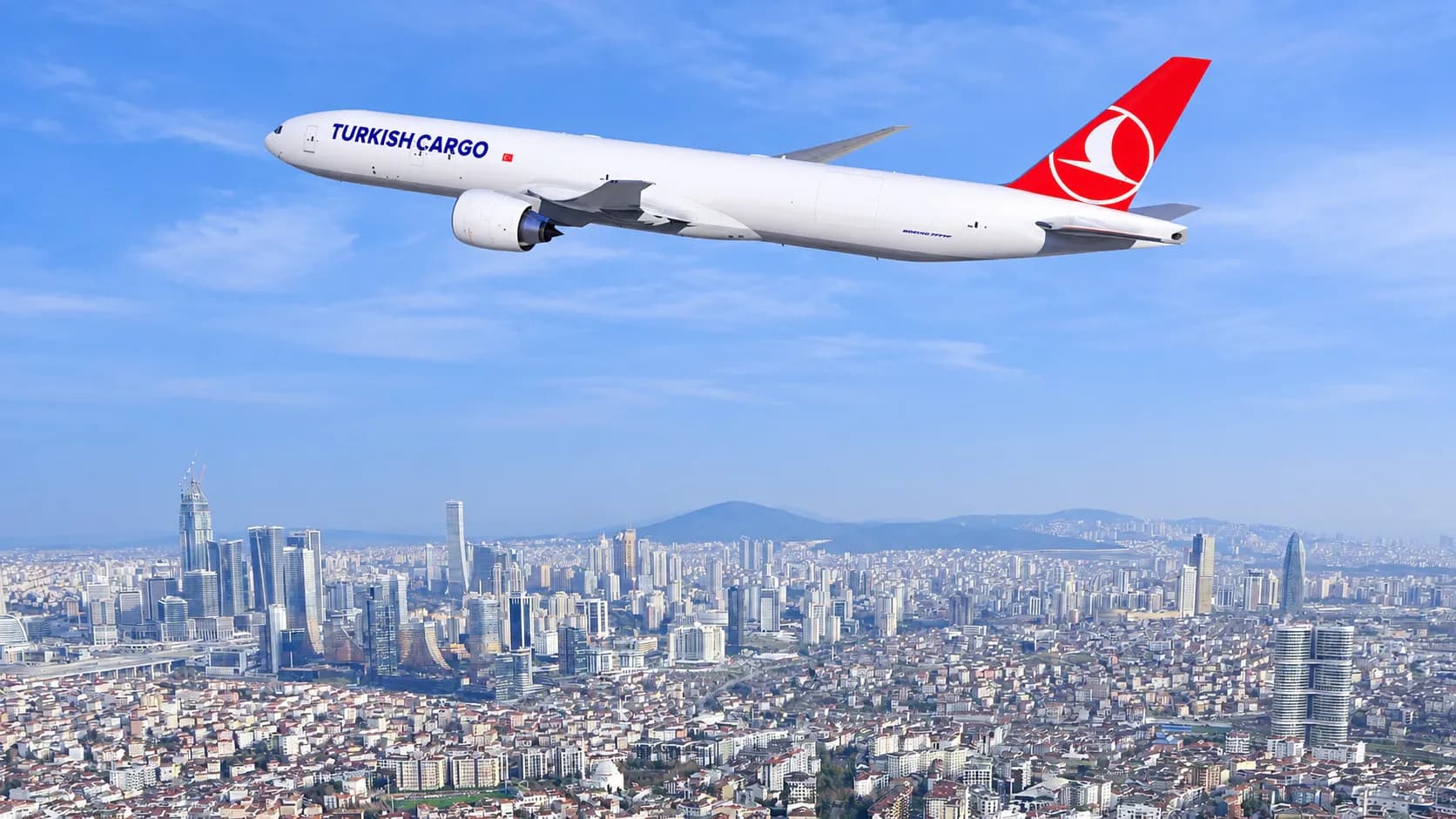
Air cargo performed better. International cargo demand, measured in freight tonne kilometers (FTK), grew 6.4% year on year, outpacing a 4.9% increase in capacity. The average freight load factor climbed 0.8 percentage points to 60.3%.
The association attributed the cargo gains to stronger global manufacturing, higher purchases of raw materials and components, and sustained demand for AI-related goods.
In the first nine months of 2026, Asia Pacific carriers flew 289.5 million international passengers, up 1.9% from the same period last year. International cargo demand rose 5.6% over the period.
AAPA Director General Wong Hong said demand showed resilience despite a difficult operating environment. However, elevated jet fuel prices, airspace restrictions, and weaker Asian currencies continue to pressure operating costs and profitability.
Looking ahead, he expects year-end holiday travel to support passenger demand, while continued investment in AI infrastructure should benefit cargo markets.
Higher travel and shipping costs could temper growth, and geopolitical tensions and trade policy changes remain key uncertainties, he added.