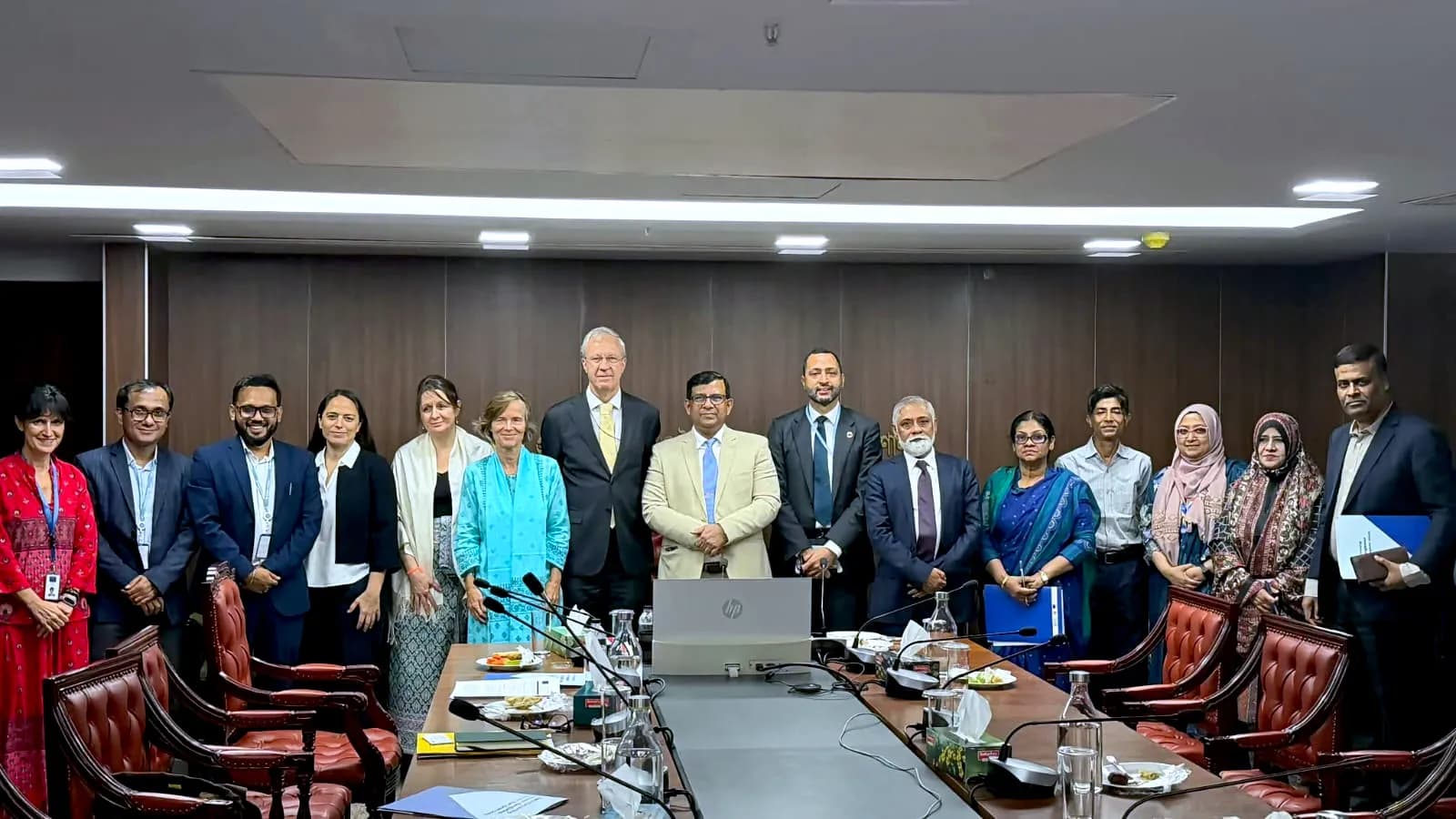


Bangladesh, Fiji discuss expanding employment opportunities for Bangladeshi workers

Dhaka: Bangladesh has urged Fiji to expand employment opportunities for Bangladeshi workers and simplify recruitment procedures, including the issuance and renewal of work permits.
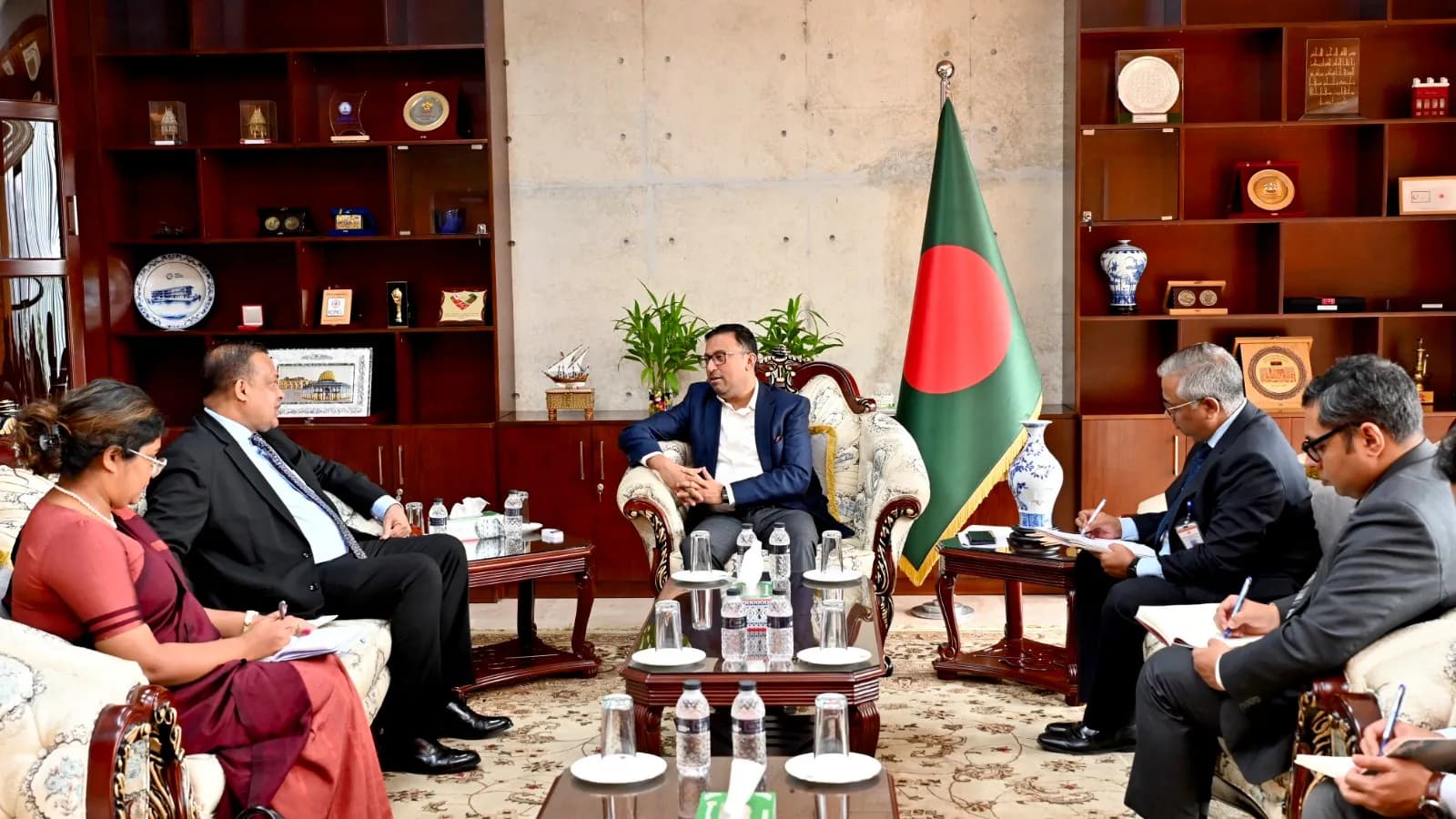
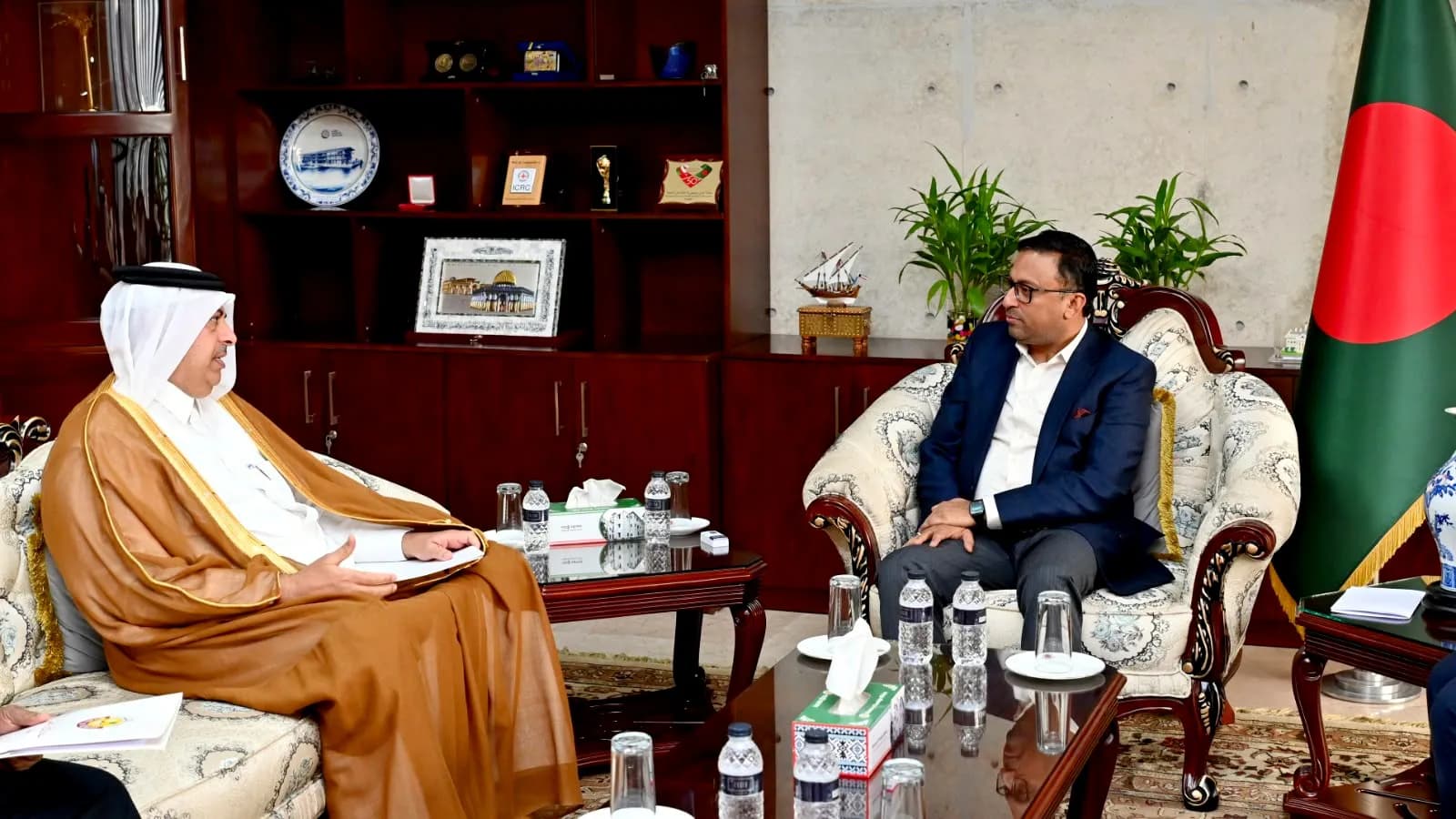
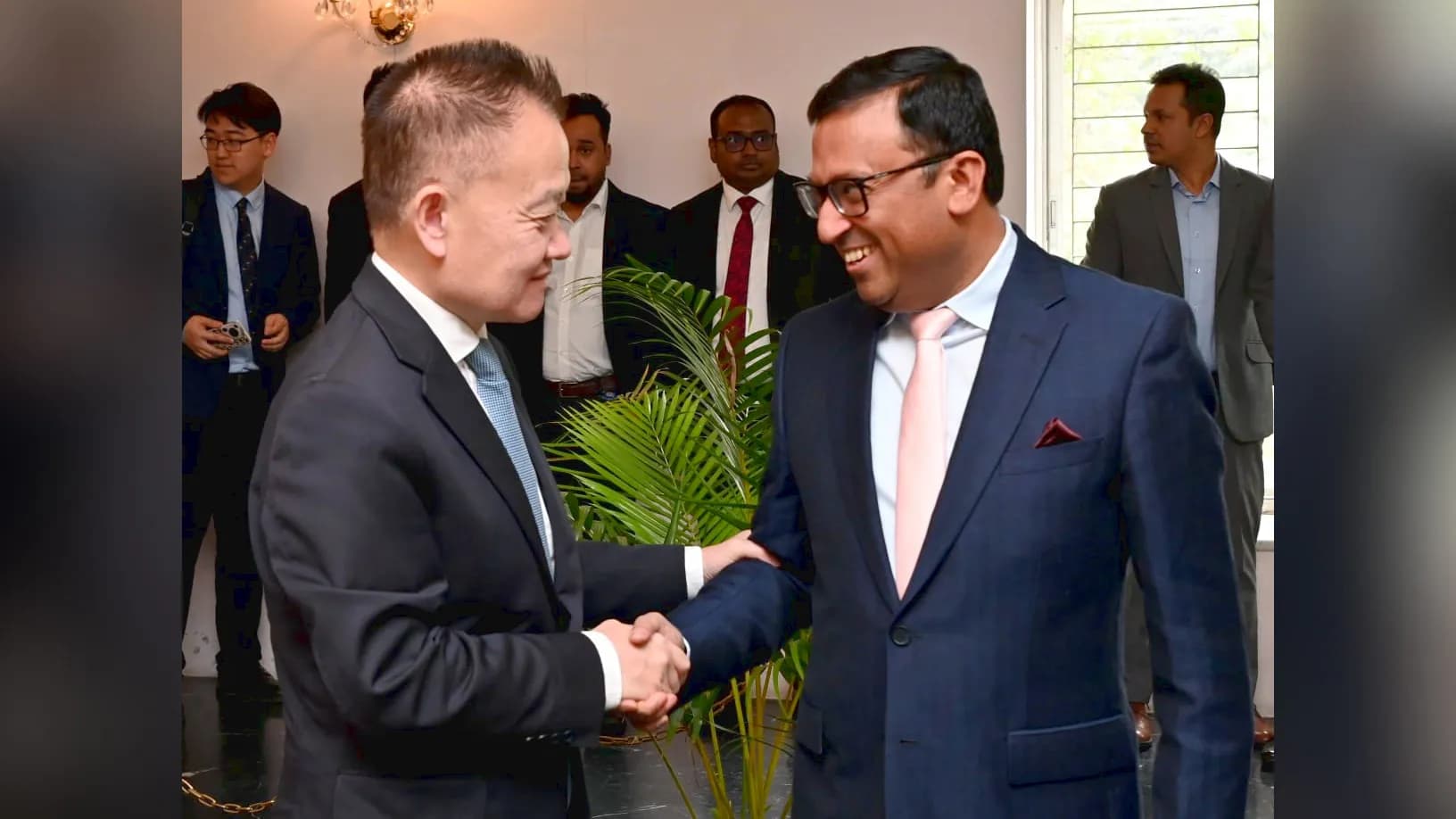
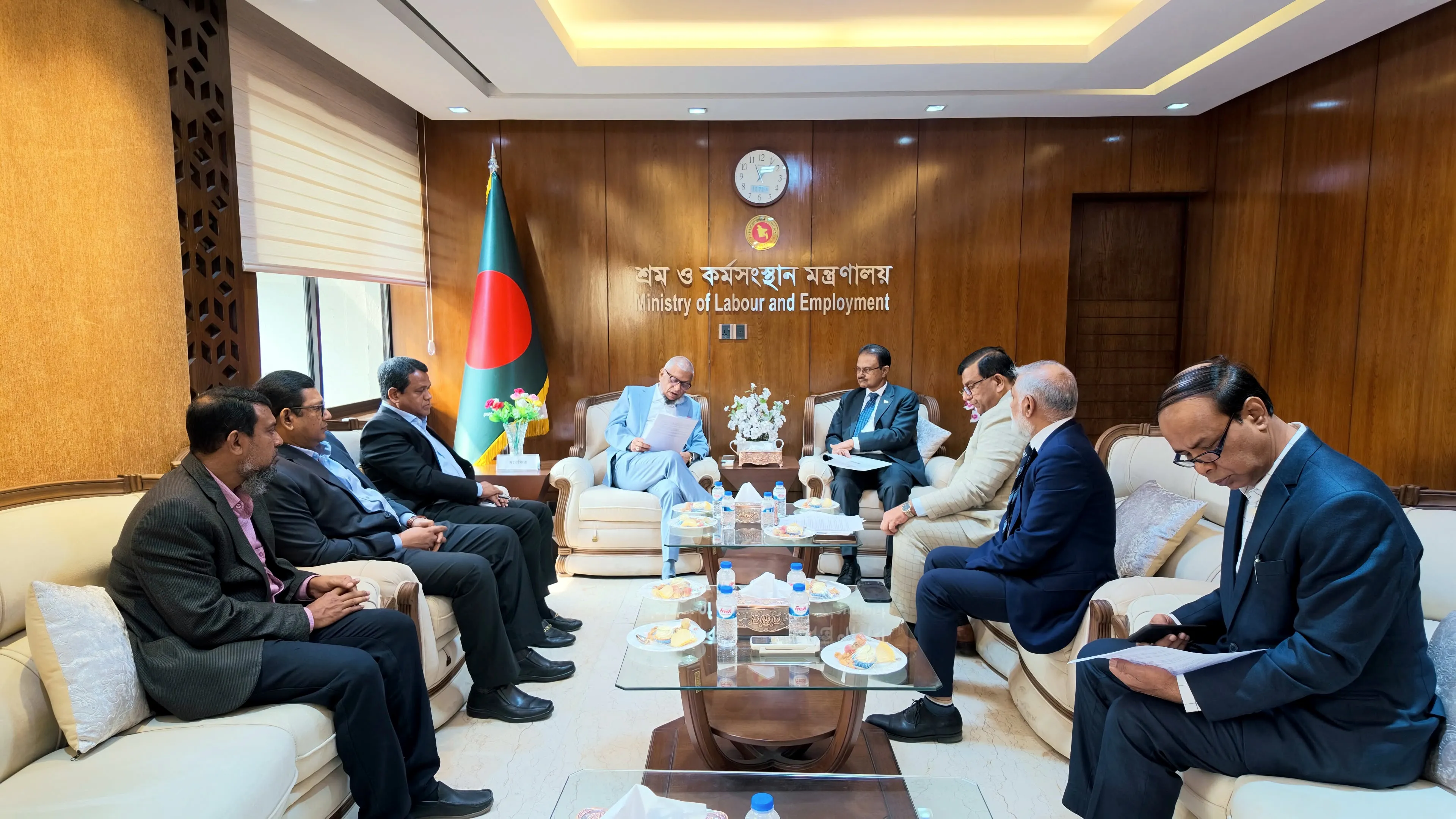
The proposals were discussed at a meeting between Labour and Employment and Expatriates' Welfare and Overseas Employment Minister Ariful Haque Chowdhury and Jagannath Sami, Fiji's High Commissioner to India, at the minister's office at the Ministry of Labour and Employment in the capital on November 17.
During the meeting, Bangladesh requested Fiji to reduce the processing time for issuing or converting driving licenses for Bangladeshi workers from the existing three months.
It also urged the Fijian government to introduce arrangements allowing Bangladeshi workers to renew their work permits without having to return to Bangladesh after their current permits expire.
Bangladesh also called for the early signing of a proposed memorandum of understanding (MoU), which has already been sent through diplomatic channels.
The discussions covered strengthening bilateral relations, labor migration, trade diversification, investment, and the exchange of knowledge and expertise in sustainable agriculture.
Minister Chowdhury said Bangladesh and Fiji enjoyed friendly relations and stressed the need to strengthen cooperation between the two countries, particularly in the aviation sector.
He said Bangladesh had a large young and working-age population, while its skilled and experienced workers had established a strong reputation in international labor markets.
Expressing optimism about employment opportunities in Fiji, the minister identified construction, agriculture, tourism, hotels and restaurants, and technical services as sectors where Bangladeshi workers could contribute.
To facilitate recruitment from Bangladesh, he proposed three measures.
First, Fiji should provide specific information about the sectors facing labor shortages and the skills required so that interested Bangladeshi workers could receive appropriate training before deployment.
Second, both countries should strengthen communication between public and private sector organizations to accelerate demand assessment and recruitment, alongside sending workers through Bangladesh Overseas Employment and Services Limited (BOESL).
Third, the relevant ministries and agencies of both countries should maintain regular communication and exchange information to identify potential areas of cooperation and implement joint initiatives.
The minister also sought Fiji's cooperation in ensuring a safe and favorable working environment for Bangladeshi workers, with their rights and benefits properly protected.
Fiji's High Commissioner Jagannath Sami said his government provided free education to its citizens. However, many people moved abroad after completing higher education, creating demand for skilled foreign workers in Fiji's domestic labor market.
He said Bangladesh could be a potential source of workers, noting similarities in climate and culture between the two countries.
Sami assured the minister that he would discuss Bangladesh's requests and proposals with the relevant Fijian authorities for positive consideration.
Speaking at the meeting, Md Mokhtar Ahmed, Secretary of the Ministry of Expatriates' Welfare and Overseas Employment, said around 8,000 Bangladeshi workers were currently employed in Fiji, while another 3,300 had traveled to the country this year.
He proposed providing specialized training to prospective workers according to Fiji's requirements through Bangladesh's 104 Technical Training Centres (TTCs).