

Hong Kong leads global cargo airports

Global air cargo
throughput reached a record 131.2 million tons in 2025, up 3.3 percent from the
previous year and 7.4 percent above the 2019 level, according to Airports
Council International (ACI) World's annual airport traffic dataset released in
July 2026.
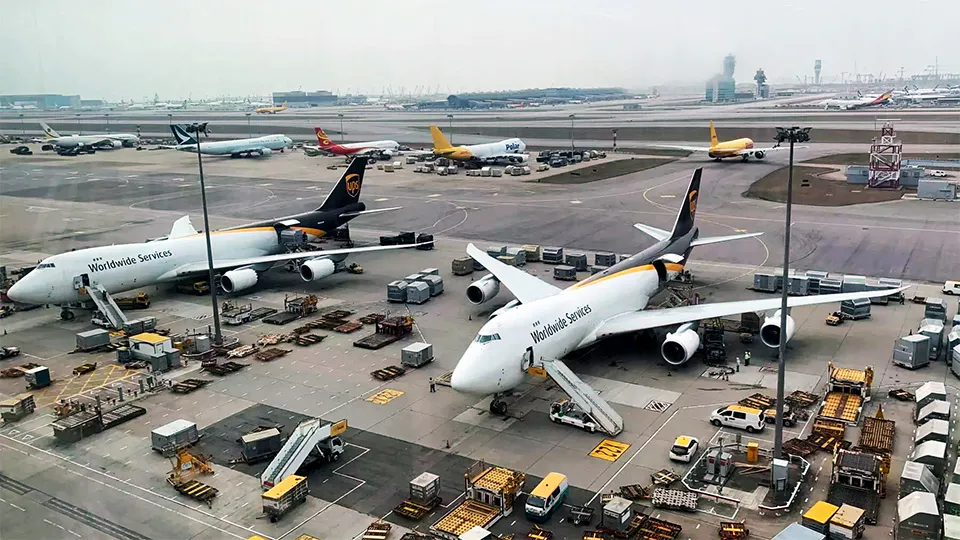
Hong Kong handled approximately 5.07 million tons, an increase of 2.7 percent, while Shanghai Pudong ranked second with 4.09 million tons, up 8.3 percent.
Anchorage International Airport in the United States moved into third place with 3.85 million tons, followed by Louisville with 3.40 million tons and Miami with 3.13 million tons. Louisville and Miami recorded growth of 13.5 percent and 13.6 percent, respectively.
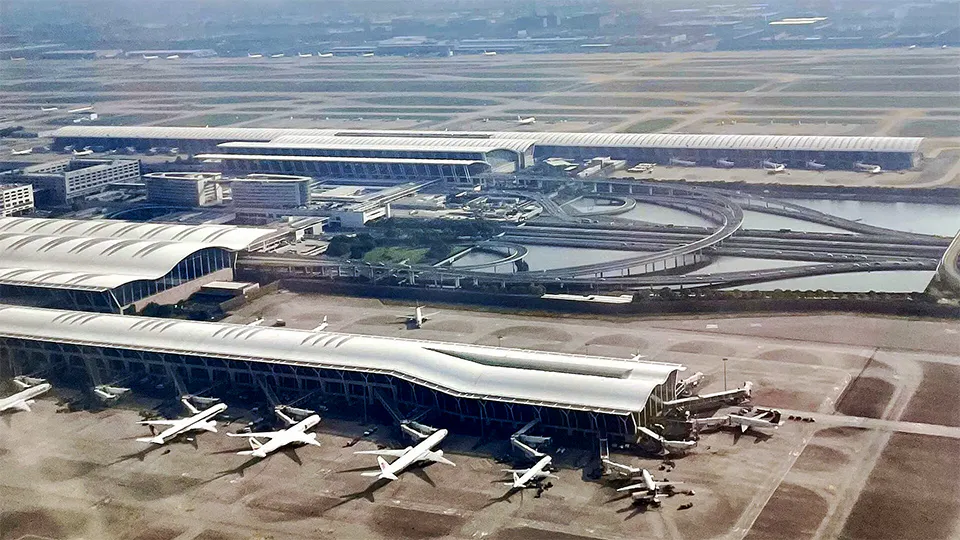 Shanghai International Pudong Airport
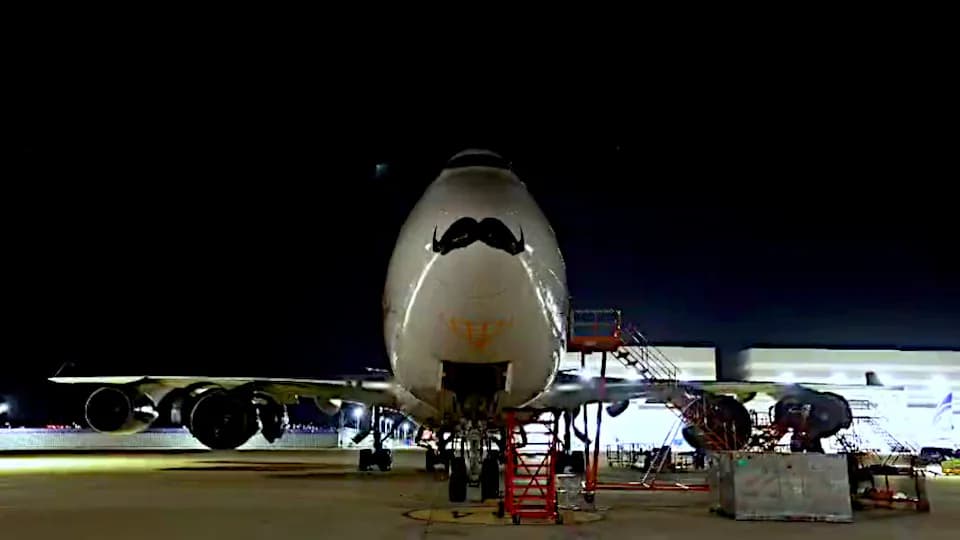
Memphis International
Airport, the global hub of FedEx, experienced the steepest decline among the
leading airports. Its cargo volume fell 20.9 percent to 2.97 million tons,
dropping it from third to sixth place.
The combined throughput of the world's top 20 cargo airports reached 53.1 million tons, representing nearly 41 percent of global traffic.
ACI World attributed the
market's resilience largely to cross-border e-commerce, high-value shipments
and changing supply chains. International freight increased 4.2 percent, while
domestic cargo declined 1.8 percent.
The rankings also highlighted differences in airport operations. Anchorage's reported volume includes transit freight, which accounts for an estimated 70 to 80 percent of its traffic, reflecting its role as a technical and logistics stop between Asia and North America.
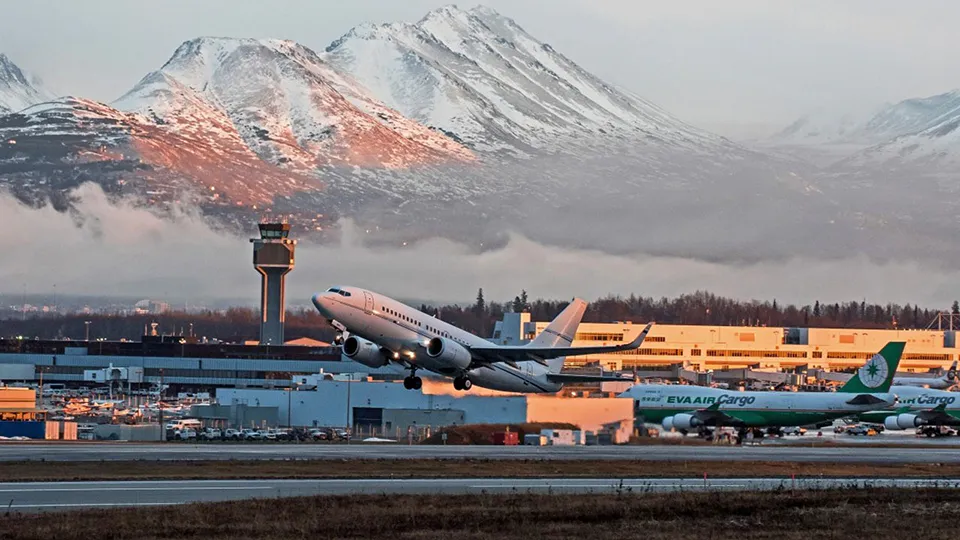 Anchorage International Airport, US
Meanwhile, infrastructure
investment and network expansion are reshaping major cargo hubs. Hong Kong
introduced a dedicated channel for importing chilled seafood and fresh produce
into the Greater Bay Area, while Shanghai Pudong upgraded its cross-border
e-commerce handling center, doubling its daily processing capacity.
ACI World said global
cargo growth continued at around 3 percent year over year in the first half of
2026, although geopolitical tensions and the US-Iran conflict affected traffic
in the Middle East.
The association expects
e-commerce and supply-chain diversification to support demand but warns that
airspace restrictions, higher fuel costs and trade uncertainty could alter
cargo routes.
It has called for sustained investment in airport terminals, automated handling systems, customs facilities and cold-chain infrastructure to help airports respond to changing trade patterns.