

Bangladesh targets January rollout of tourism master plan

Dhaka:
Bangladesh is preparing to begin implementing its long-awaited National Tourism
Master Plan in January 2027, with Prime Minister Tarique Rahman expected to
formally unveil the development blueprint in December.
Bangladesh
Tourism Board (BTB) Chief Executive Officer Barrister Mutasim Billah Faruqui
said the government was aiming to present the plan during the proposed
Bangladesh Festival in Dhaka, tentatively scheduled for December 27-31.
The
BTB expects to receive the reviewed document from a committee by November 30
and submit it to the Ministry of Civil Aviation and Tourism in the first week
of December. Implementation will begin after the necessary approvals, including
endorsement by the National Tourism Council.
"If
we can complete the finalization process and secure approval from the National
Tourism Council, we aim to begin implementation in January," Faruqui told
BSS.
The master plan, initiated in 2019, has faced repeated delays due to the Covid-19 pandemic and administrative complications. Its long-term framework covers 2024-2041 and identifies approximately 1,498 tourism resources across Bangladesh's eight divisions.
The
strategy aims to develop the country as a competitive and sustainable
destination through coordinated investment in infrastructure, tourism products,
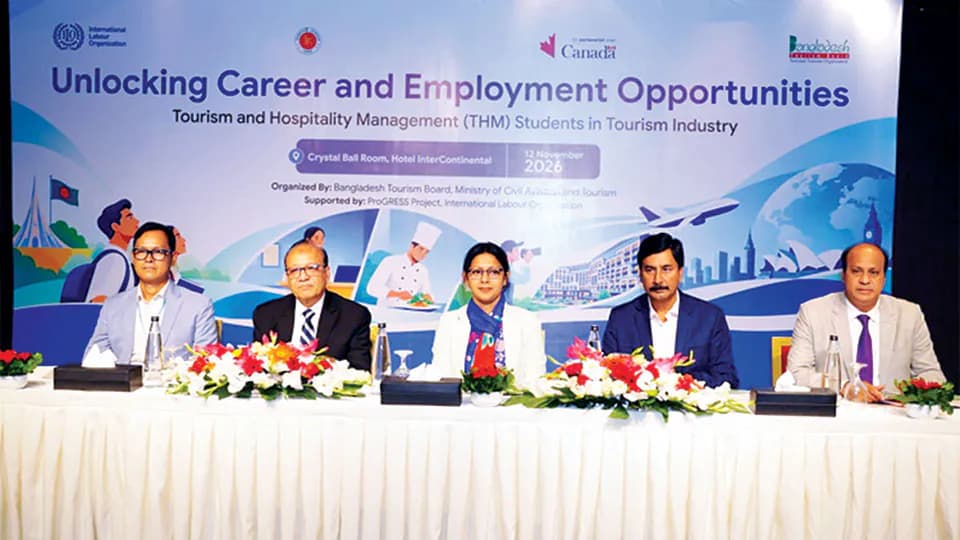
destination management, marketing and workforce development.
It
sets a target of attracting 5.58 million tourists and generating 21.94 million
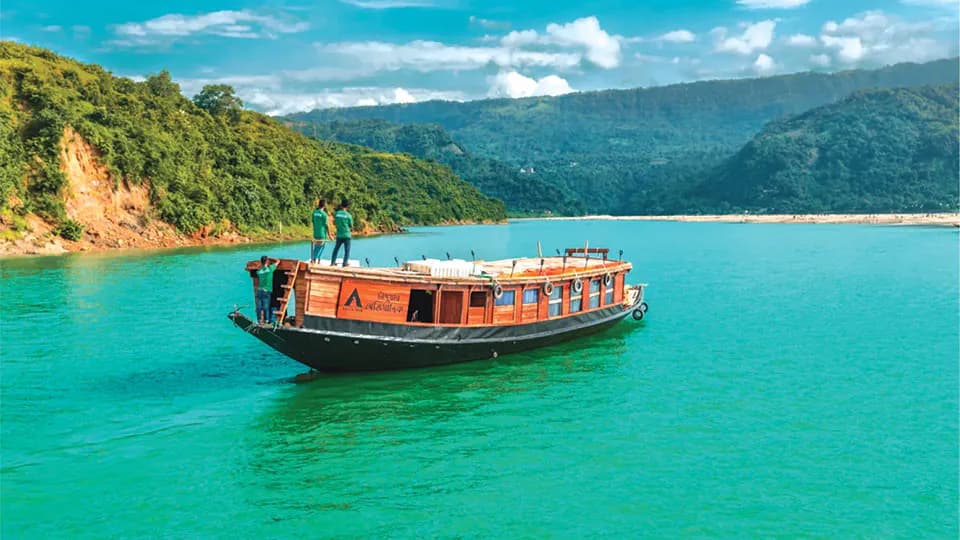
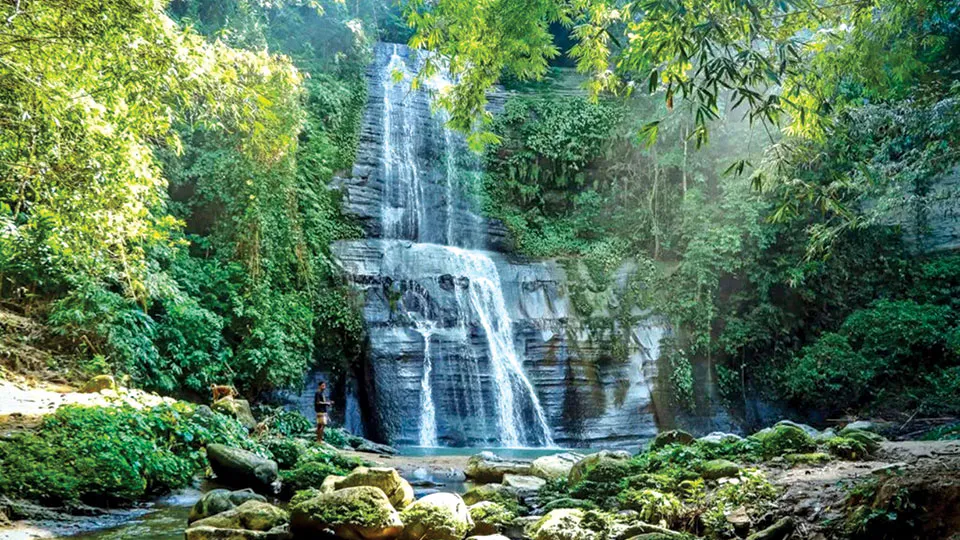
employment opportunities by 2041. Proposed areas of development include beach,
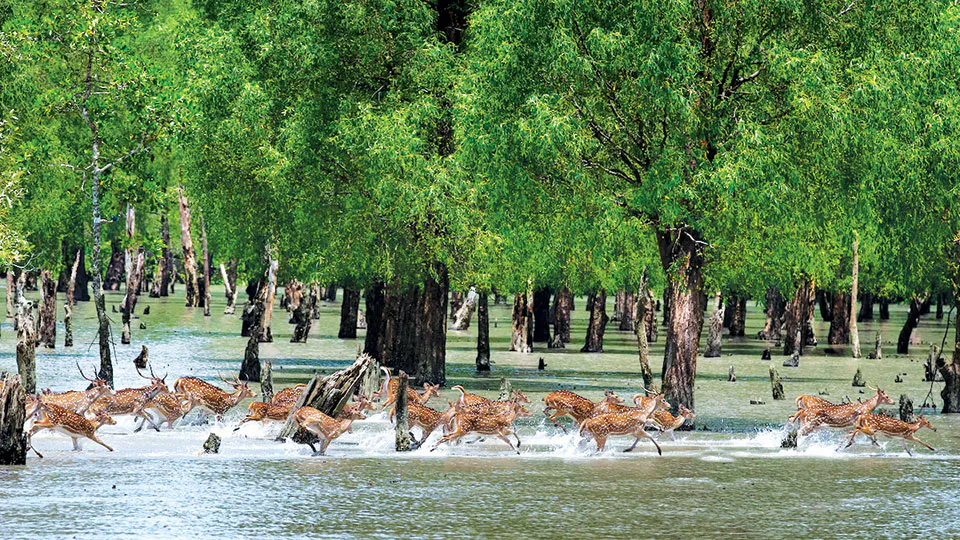
ecotourism, cultural, heritage, religious, adventure, river, rural and cruise
tourism, as well as meetings, incentives, conferences and exhibitions.
The
blueprint also recommends electronic visas, stronger tourist safety measures,
regional training centers, destination management organizations and greater
public-private partnerships to encourage investment.
Faruqui
said implementation would not be limited to building hotels, resorts and other
physical facilities. Early priorities could include promoting destinations,
consulting tourism businesses, engaging local communities and improving
coordination among public agencies and private-sector stakeholders.