

Rooppur NPP delivers Bangladesh’s first-ever nuclear electricity to national grid, providing access to advanced technologies: Rosatom DG

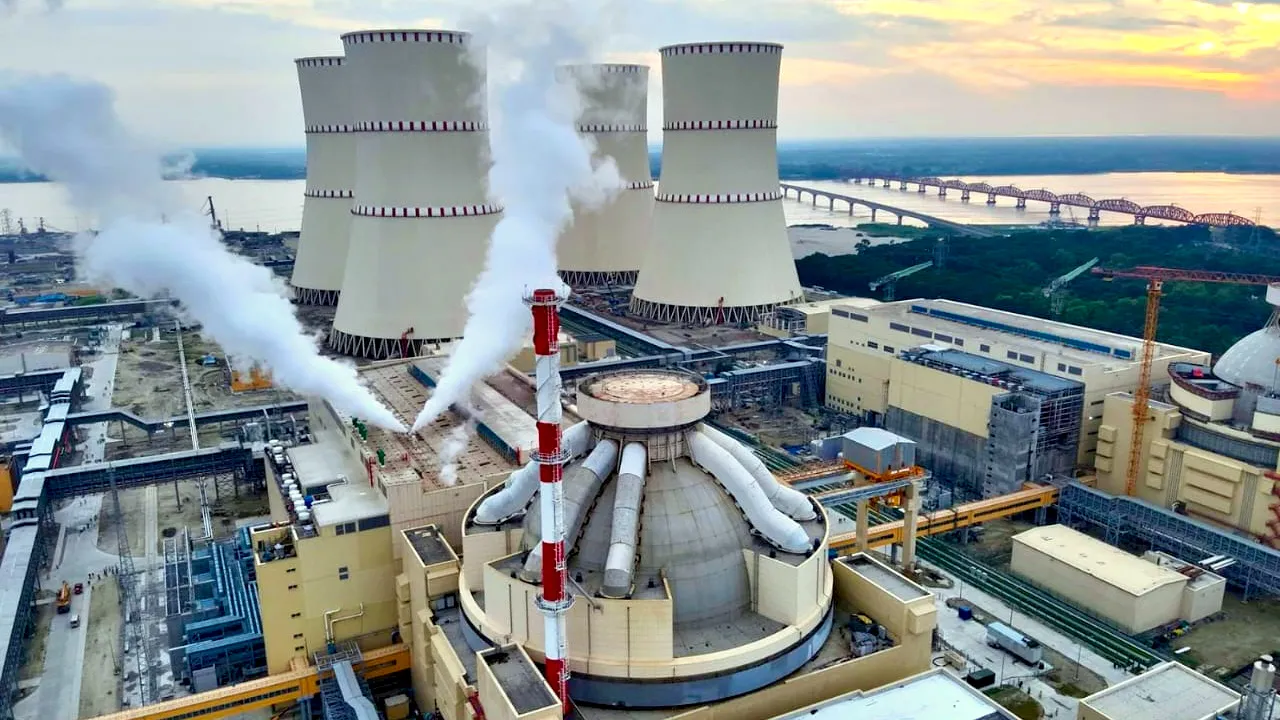
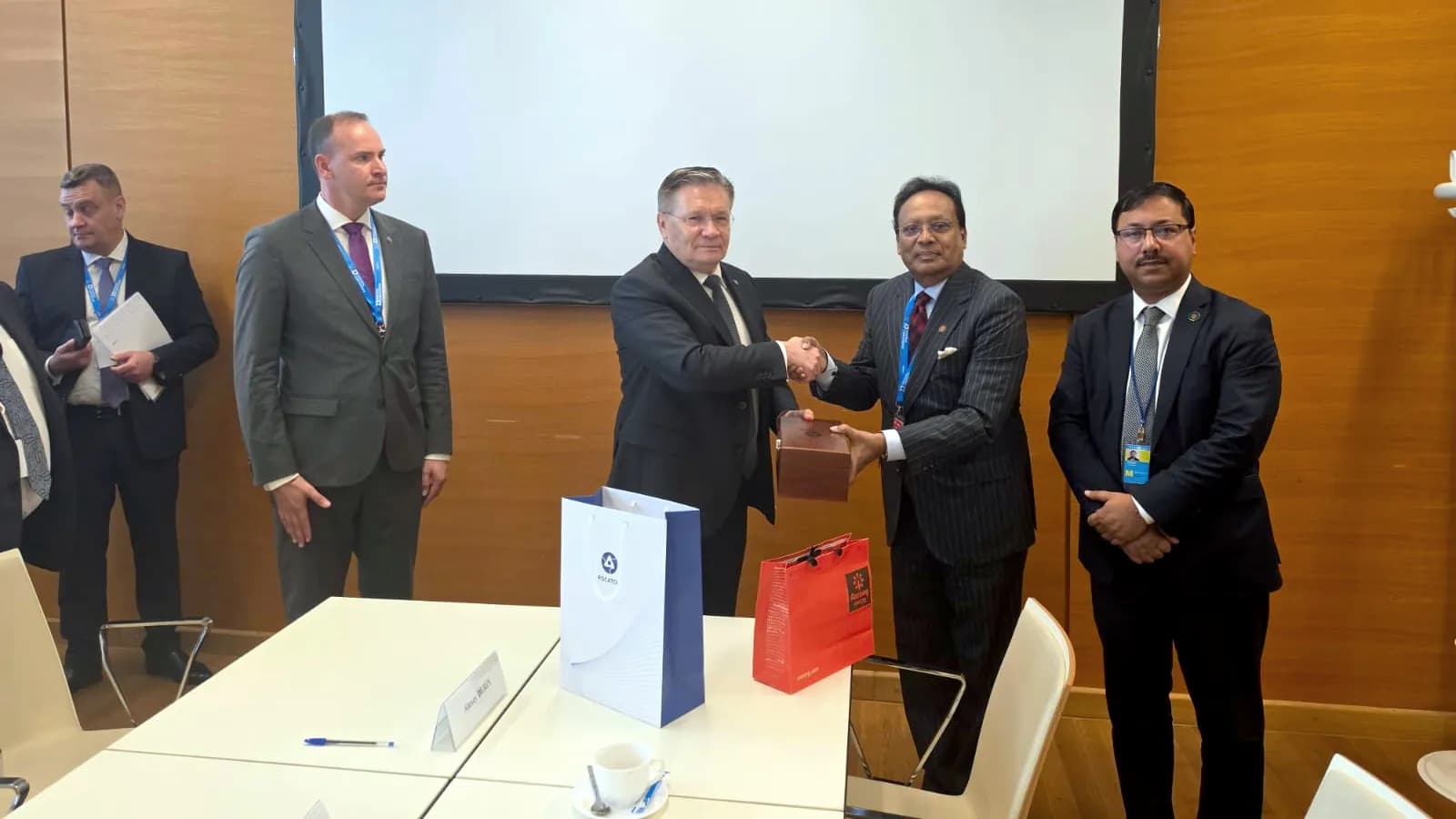
Dhaka: Nuclear power will provide Bangladesh access to advanced technologies while supporting the development of engineering and scientific research, said Alexey Likhachev, Director General of Rosatom State Corporation.
Earlier, Unit 1 of the Rooppur Nuclear Power Plant (NPP) was synchronized with Bangladesh’s national power grid on November 17, 2026, at 3:15:57 PM local time, marking the country's first-ever delivery of nuclear-generated electricity. The unit reached 40% of its nominal thermal capacity, generating 370 MW of electricity.
“Power start-up of Unit 1 is a landmark event for our countries. Bangladesh is gaining a reliable, stable and environmentally friendly energy source that will significantly reduce its dependence on imported hydrocarbons,” Likhachev added.
In mid-October, Unit 1 reached the minimum controllable power level, confirming the establishment of a self-sustaining and controlled nuclear chain reaction in the reactor core.
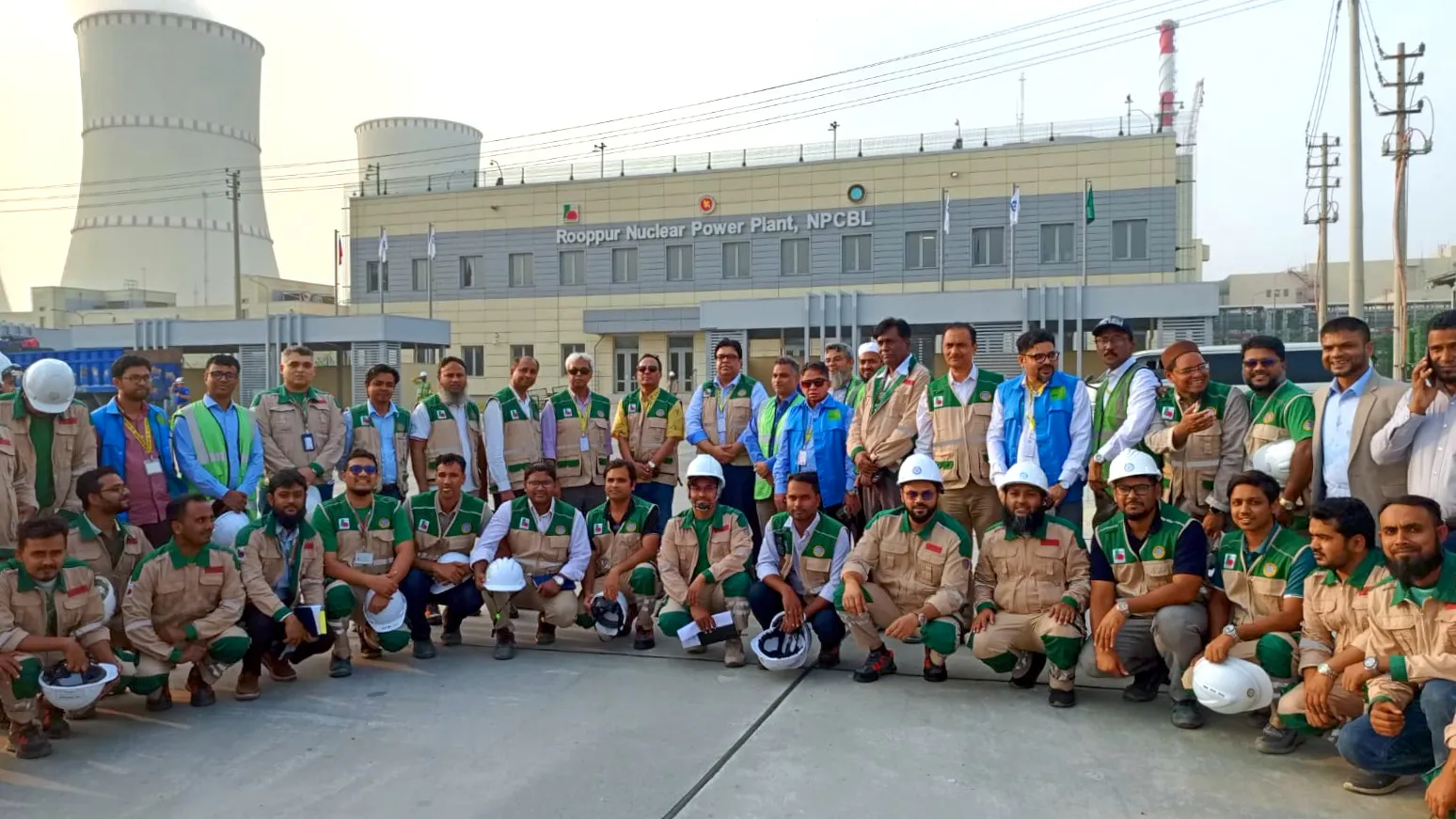
During the power start-up phase, reactor power is gradually increased to around 40% of nominal capacity, enabling steam generators to supply the turbine and the turbogenerator to synchronize with the national grid. Power will subsequently be raised to its nominal level during the pilot operation phase, paving the way for commercial operation.
The milestone marks significant progress in Bangladesh's efforts to strengthen energy security and diversify its energy mix with low-carbon electricity, reflecting the joint efforts of Russian and Bangladeshi specialists.
The Rooppur NPP, built under a Russian design, comprises two units with a total installed capacity of 2,400 MW. Rosatom's Engineering Division is the project's general designer and contractor.
The plant features VVER-1200 Generation III+ reactors, designed to meet modern international nuclear safety requirements. Six such units are currently operational in Russia and Belarus, while similar reactors are under construction in several countries, including Egypt, Hungary, Turkey, and China.