

EASA orders more frequent de-icing checks on ATR turboprops

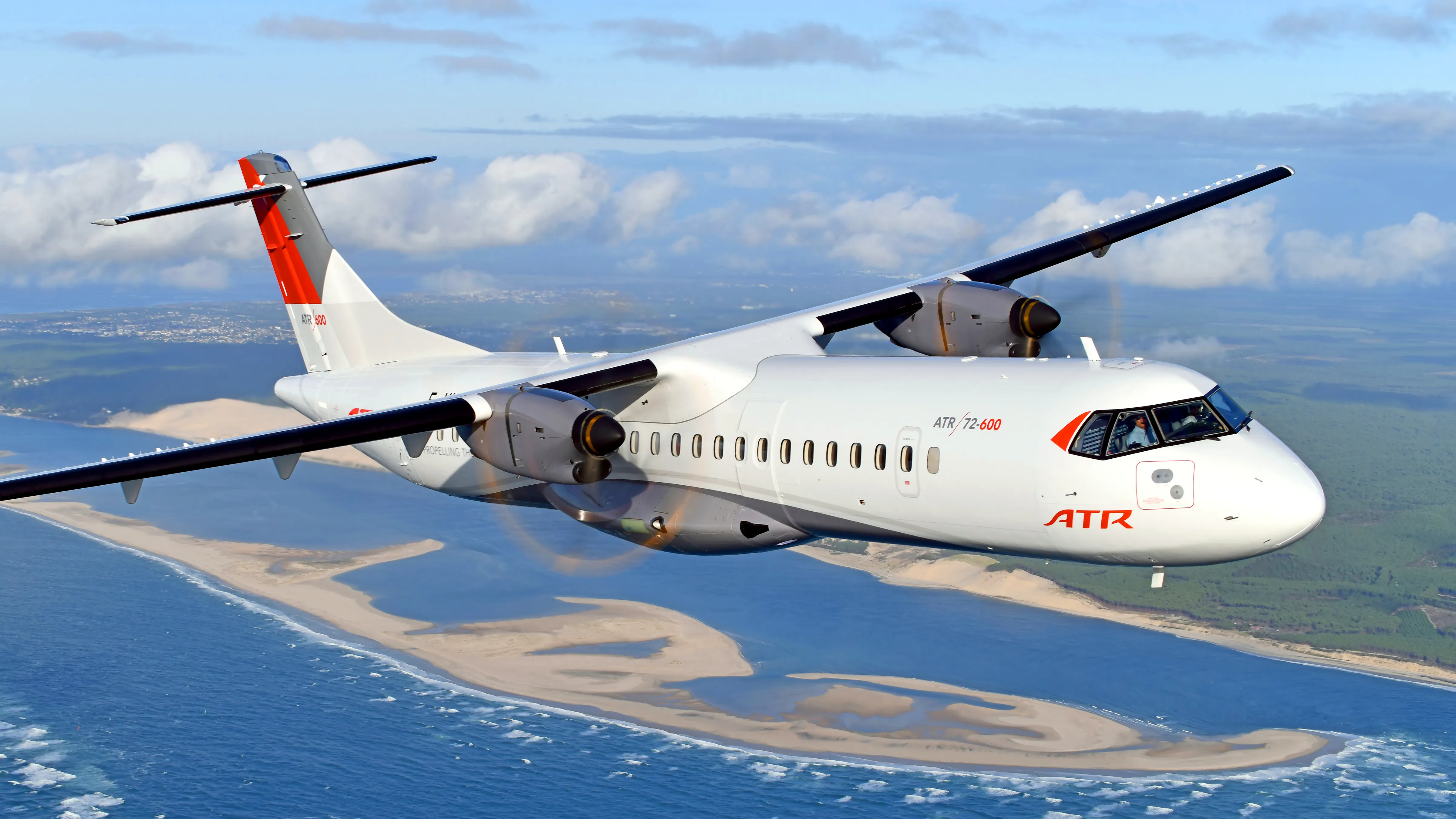
Dhaka: The European Union Aviation Safety Agency (EASA) has ordered operators of ATR 42 and ATR 72 turboprops to inspect their de-icing systems as often as every 160 flight hours, warning that an undetected valve failure could lead to an unrecoverable loss of control in icing conditions.
The airworthiness directive (AD) was issued on November 16 and takes effect on November 30.
EASA had previously shortened the inspection intervals in January 2025 following a design review that identified the risk. A later analysis of possible valve failure modes led ATR to revise its maintenance instructions again in October.
The directive follows the crash of Voepass Flight 2283, an ATR 72-500, in Vinhedo, Brazil, August 9, 2024, which killed all 62 people aboard. Brazilian investigators cited ice buildup and multiple de-icing system failures among the contributing factors. ATR issued its first notice to operators about the valve checks in October 2024.
The order covers valves that regulate pressure and shut off the air supply to the de-icing system. Inspection intervals depend on the aircraft model and whether ATR or an operator carried out the modification.
The largest change affects modified ATR 42-400s, ATR 42-500s, and ATR 72s. Their interval has been cut from 1,050 flight hours to 160, a reduction of 85%.
For unmodified aircraft of the same models, the interval drops from 700 hours to 210. Operators of the older ATR 42-200, -300, and -320 models must now check the valves every 190 hours, down from 650.
If a valve fails an inspection, operators must fix the problem before the aircraft flies again. Where ATR's published instructions do not cover the fault, operators must obtain approved instructions from the manufacturer and carry out the work.