

Etihad CEO warns of higher fares as fuel hedging cover fades

Dhaka: Rising jet fuel costs will be the biggest challenge facing airlines in 2027, with airfares possibly coming under pressure from the second quarter as industry fuel hedging positions begin to run down.
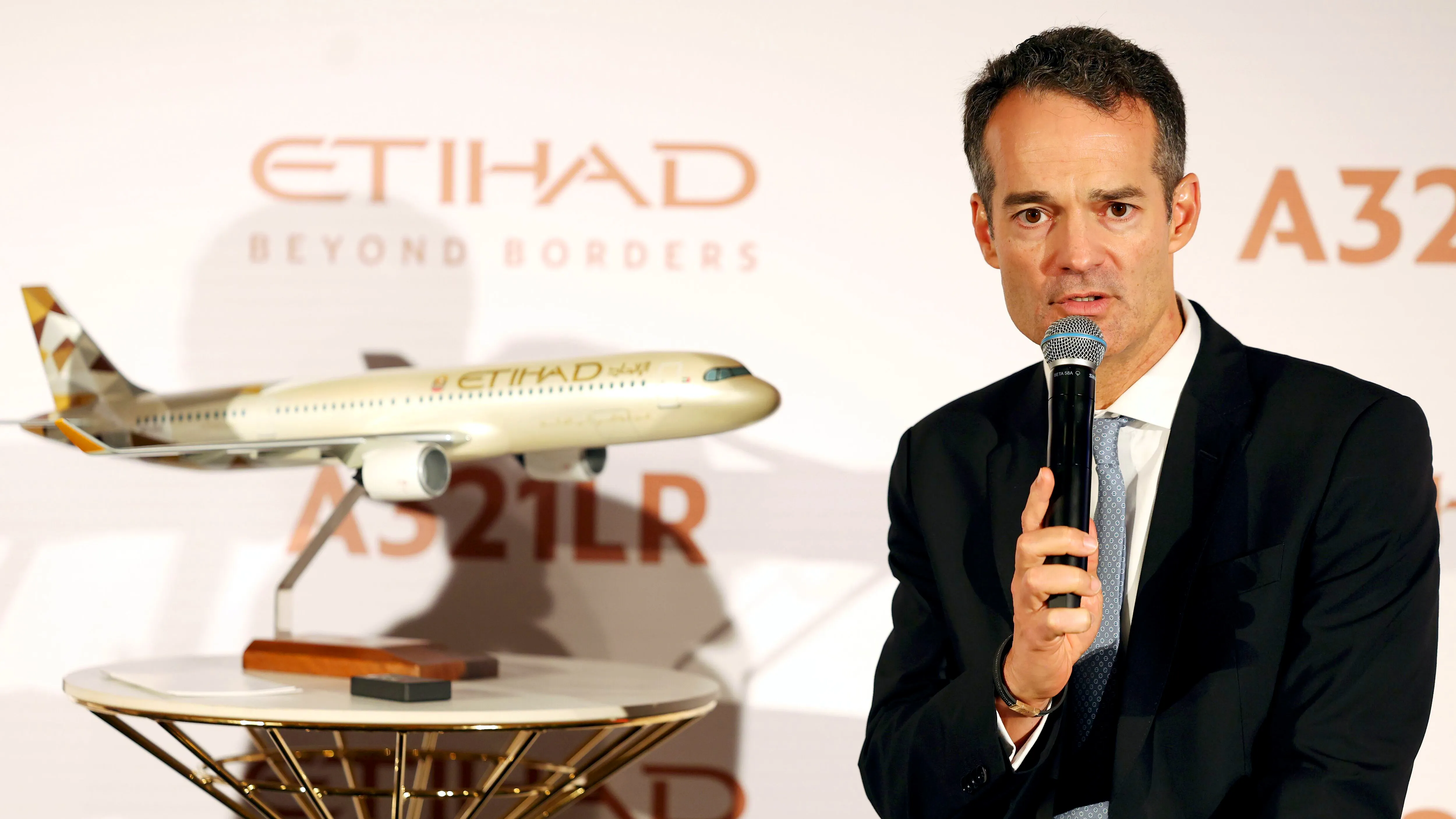
Etihad Airways CEO Antonoaldo Neves made the remarks in an interview recently, in which he discussed fuel pressure, strong passenger demand, fleet retrofit plans, and the carrier’s push for personalized service.
Fuel costs under pressure
Neves said jet fuel is currently priced at about USD 150 a barrel of Brent on an all-in basis. He was referring to the combined cost of the oil benchmark and the refining premium, known as the crack spread.
Fuel accounts for roughly 35-40 percent of airline operating expenses, according to his rough estimate. Carriers therefore have limited room to absorb higher costs indefinitely.
Many airlines bought fuel in advance through hedging arrangements this year, but those positions are expected to be considerably lower from the second quarter of 2027.
“Something’s got to give,” Neves said, expressing hope that prices would come down as low prices stimulate demand.
He noted that the challenge is not unique to Etihad and is being felt across the global aviation industry. However, he does not expect higher fuel costs to change the airline's immediate network strategy.
That is because the Abu Dhabi-based carrier operates its network as an interconnected system, where stronger markets help offset weaker ones, Neves explained. But he acknowledged that airlines have less pricing flexibility in markets where passengers have lower purchasing power.
Strong demand despite cost pressure
Neves said Etihad is entering the final months of 2026 with stronger demand and more capacity than a year earlier. The carrier is operating about 15 percent more seats than last year, while demand has also risen 15 percent.
He said the airline "came back stronger" after reducing capacity in March, when regional conflict affected aviation markets across the Gulf.
Travel between Europe and Southeast Asia is particularly strong, while corporate travel to and from Abu Dhabi is also performing better than a year earlier.
Neves expects the supply and demand balance to remain broadly similar through the end of the year. He is confident that the first quarter of 2027 will record growth of at least 10 percent year-over-year.
He put the airline's load factor at around 85-87 percent during the week of the interview. He compared this with a typical 78-82 percent among network carriers, although no specific industry dataset was provided for the comparison.
Etihad now serves more than 120 destinations and carries between 25 million and 27 million passengers annually. The CEO expects the figure to reach 30 million next year, a target the airline has maintained for several years.
Fleet retrofit plans
Neves said Etihad's next phase of growth will depend on delivering a more consistent passenger experience across its fleet. The airline will begin retrofitting aircraft next year, aiming to bring 95 percent of its fleet into a new configuration by the end of 2028.
He pointed to the carrier's investment in premium cabins, including the return of the Airbus A380, its Airbus A321 featuring a first class cabin, and the introduction of new Airbus A330neo aircraft next year.
Etihad has also launched a home luggage collection service, allowing passengers to have their bags picked up before traveling to the airport.
Personalization push
The airline is equipping flight attendants with iPads so that the crew can access passenger information and respond to individual preferences. Examples include how first class passengers like their coffee served or their preferred arrangements when using the onboard shower.
"In two, three years, our objective is to be able to really understand on an individual basis what every customer wants," Neves said.
Etihad also wants crew to resolve service failures during the flight rather than leaving passengers to file complaints after landing. For instance, if a pre-ordered special meal is not served due to an operational problem, the airline wants to offer compensation onboard.