

ICAO moves to update legal framework for changing aviation sector

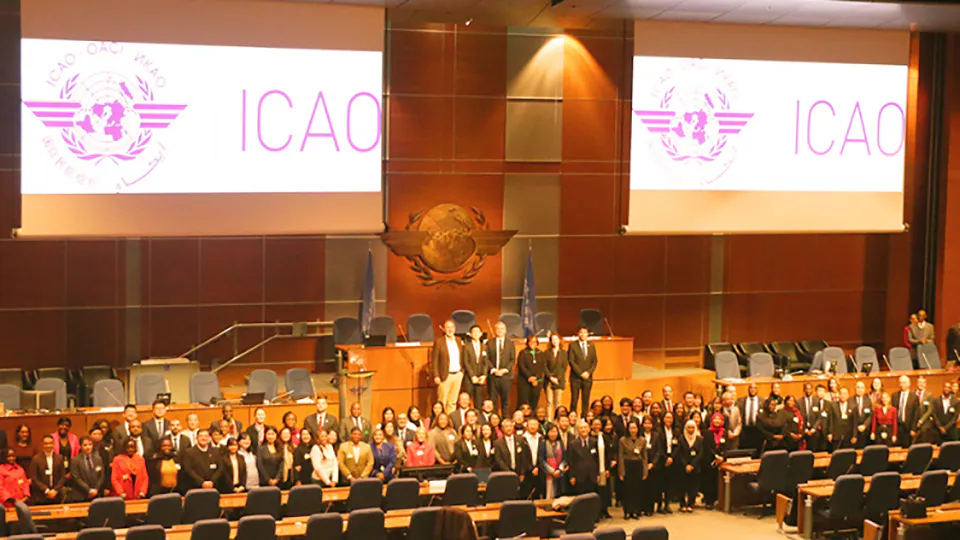
The 40th session of
ICAO’s Legal Committee concluded with a series of recommendations aimed at
ensuring international air law keeps pace with industry developments and
supports the organization’s vision of air transport for all by 2050, with zero
fatalities and net-zero carbon emissions.
A key issue was the legal
status of aircraft operating without pilots onboard. The committee called for
continued work on how the 1944 Chicago Convention and other existing
international agreements apply to such aircraft. The initiative aims to prevent
inconsistent national regulations and facilitate the safe introduction of new
aviation technologies.
The committee also examined
the legal framework governing airport and air navigation charges. It
highlighted the need for clearer guidance to ensure greater consistency and
predictability for governments, airlines, airports and air navigation service
providers.
Data protection was
another priority. Members reviewed findings on differences between
international requirements and national or regional privacy laws, noting that
future ICAO guidance could help reduce regulatory conflicts and their
associated costs.
Discussions also covered
the legal implications of global satellite navigation systems. The committee
agreed to retain the issue in its work program while calling for coordination
with relevant United Nations bodies to avoid duplicating efforts.
Cybersecurity and
aviation-related offenses received particular attention. The committee
identified possible gaps in existing international legal instruments and
recommended further work to ensure the global framework can address emerging
threats.
It also considered the
future functions of the International Explosives Technical Commission and
recommended practical steps for the ICAO Council concerning appointments under
the Convention on the Marking of Plastic Explosives for the Purpose of
Detection.
Flight safety remained
central to the discussions. The committee recommended new guidance to help
countries meet their obligations under Article 12 of the Chicago Convention,
which requires states to enforce international Rules of the Air. It endorsed
practical guidance documents and supported developing an online tool to assist
national implementation. These resources will be nonbinding.
The committee further
encouraged countries to ratify and implement international aviation agreements,
supported by legal seminars, training and technical assistance.
The recommendations will
now be submitted to the ICAO Council for consideration, marking another step
toward a more consistent and adaptable legal framework for international
aviation.