

Saudi's ROSHN eyes private investment for 2034 World Cup stadium

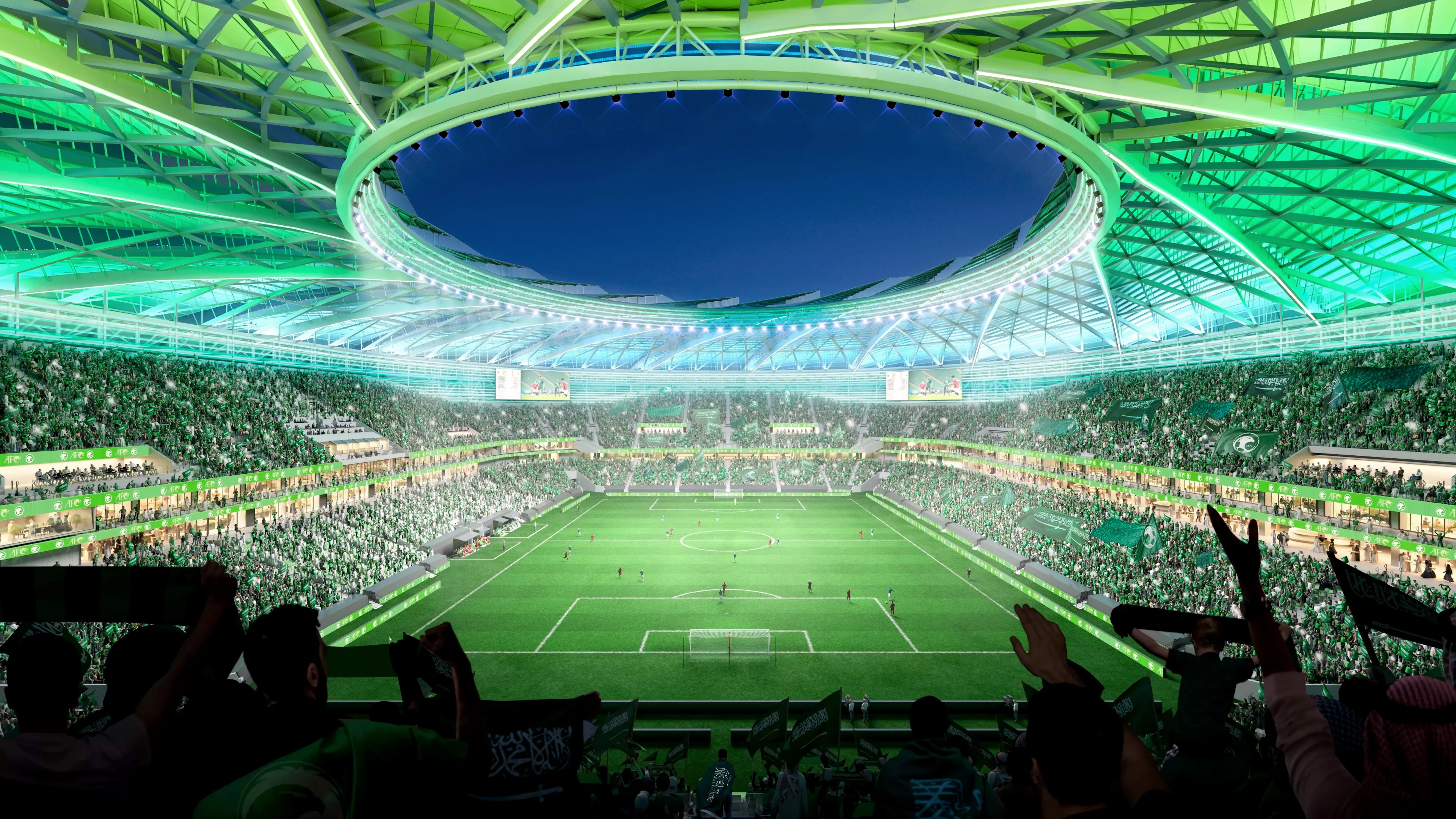
Dhaka: Saudi Arabia's ROSHN Group is seeking private investors for the Aramco Stadium, one of the venues set to host matches during the 2034 FIFA World Cup, said media reports, citing three sources familiar with the matter.
The fundraising push comes as Saudi state-backed firms increasingly turn to external investors to support the kingdom's extensive pipeline of infrastructure, tourism, and sporting developments.
ROSHN, owned by Saudi Arabia's Public Investment Fund, has appointed JPMorgan to manage an equity fundraising process for the stadium, two sources said. PIF and ROSHN have also been assessing interest from other private investors, a third source added.
The transaction is expected to use a lease and leaseback structure. Under the proposal, a dedicated vehicle holding the stadium's leasehold would be established, jointly owned by the developer, ROSHN, and participating investors, who would contribute capital upfront.
Investors would then receive a long-term income stream through a share of lease payments made by Saudi Aramco, while ROSHN would free up capital to redirect toward its other projects.
The model would resemble earlier transactions involving Saudi Aramco's oil and gas pipeline infrastructure, which drew investors including EIG Global Energy Partners and Global Infrastructure Partners, now part of BlackRock.
Saudi Aramco operates the stadium under a 25-year concession, while ROSHN owns and is developing the venue. The facility is scheduled for completion by the end of 2026 and is expected to host its first match in January 2027, the sources said.
Located in Al Khobar in Saudi Arabia's Eastern Province, the 47,000-seat Aramco Stadium is among 15 venues planned or being redeveloped across five cities for the 2034 FIFA World Cup. The kingdom also plans to build 132 training venues for the tournament.
Saudi Arabia's hosting of the World Cup forms a central pillar of its broader Vision 2030 strategy, which aims to diversify the economy and expand sectors, including tourism, entertainment, and sport.
PIF has invested heavily across international and domestic sport, spanning football, boxing, tennis, Formula E, and esports. However, lower-than-expected oil prices and rising expenditure have increased pressure on government finances, prompting Saudi entities to explore additional sources of private capital.