

Himalayan glacier loss raises growing threat to water security, livelihoods

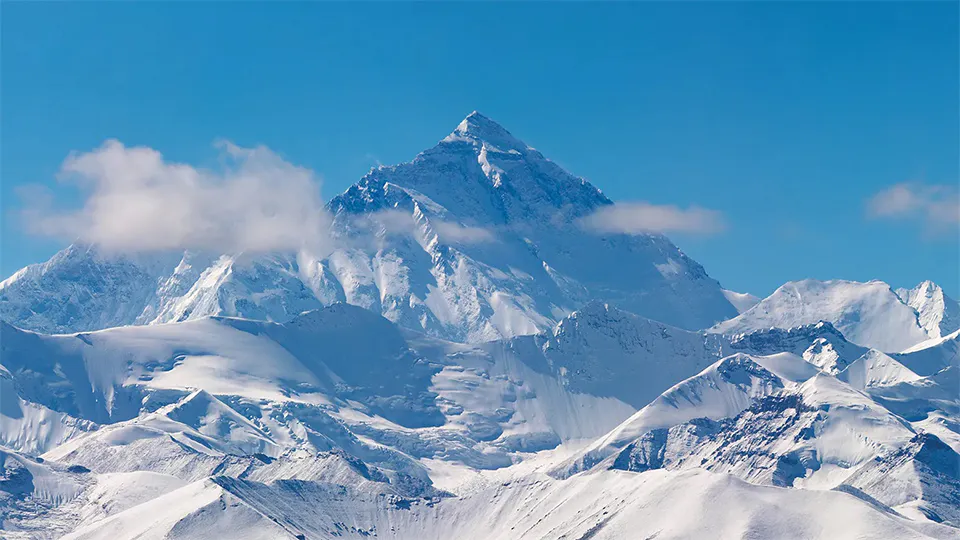
Dhaka: The Himalayas are
moving toward a critical point as accelerating glacier loss threatens water
supplies, communities and economic activity across South Asia, according to a
new regional study.
The assessment, developed
by Systemiq with the Integrated Mountain Initiative and contributions from
regional research organizations, warns that the Hindu Kush-Himalaya could reach
“peak water” around the middle of the century. That marks the stage when
glacier-fed river flows stop increasing and begin declining.
The warning follows a
deadly glacier collapse along the Nepal-Tibet border in August that triggered
floods and landslides. The disaster has since left more than 1,300 people
confirmed dead and thousands missing, according to recent reports.
Researchers say
retreating glaciers are also creating unstable lakes that could pose serious
risks to communities downstream. Nearly 200 glacial lakes in India have been
identified as high risk, including 56 considered very high risk.
Monitoring remains
limited. Only 21 glaciers are currently being observed directly out of an
estimated 40,000 across the Hindu Kush-Himalaya, which stretches across eight
countries.
The region is
particularly important to India’s economy, supporting more than one-fifth of
its GDP and hundreds of millions of people through water, agriculture and other
resources.
The report calls for
stronger monitoring, disaster preparedness and investment in climate resilience
as glacier-driven risks increase.