

Westin Dhaka sees selective recovery in luxury hotel demand

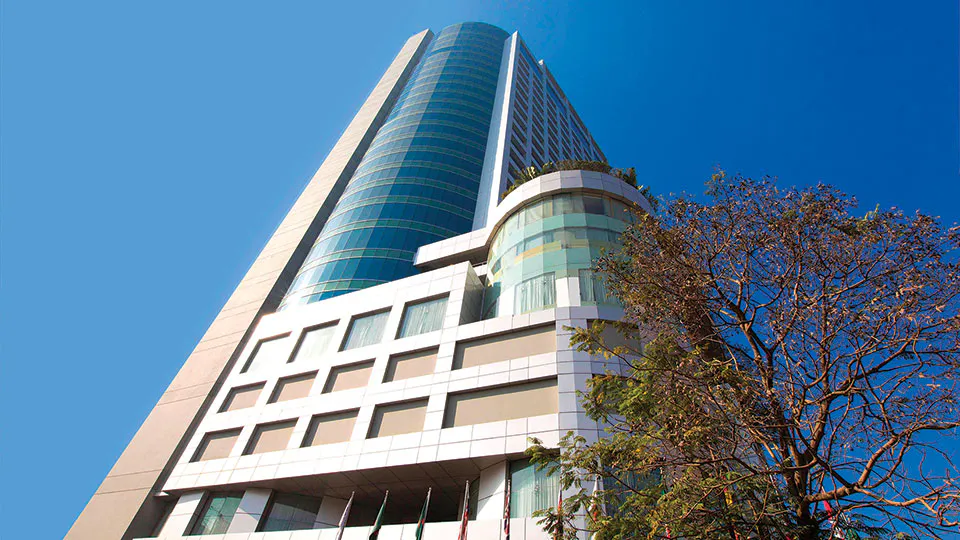
Dhaka
: Dhaka's luxury hotel market is showing signs of stabilization after a period
of softer international and corporate demand, but competition and pressure on
value remain high, according to Gary Farstad, General Manager of The Westin
Dhaka.
Talking
to The Bangladesh Monitor in an exclusive interview, Farstad said the market
remains resilient, with Dhaka's position as a commercial center providing a
strong foundation for long-term growth. However, demand has not recovered
evenly across all customer segments. Hotels are increasingly having to balance
rate protection with stronger value propositions as corporate clients
scrutinize spending and international travel patterns remain uneven.
At The Westin Dhaka, the hotel has responded by strengthening corporate and diplomatic relationships, expanding dining and events revenue and maintaining a focus on service quality. Farstad mentioned the property is also seeing a broader customer mix, with domestic guests playing a larger role in dining, weddings, celebrations, weekend stays and wellness experiences.
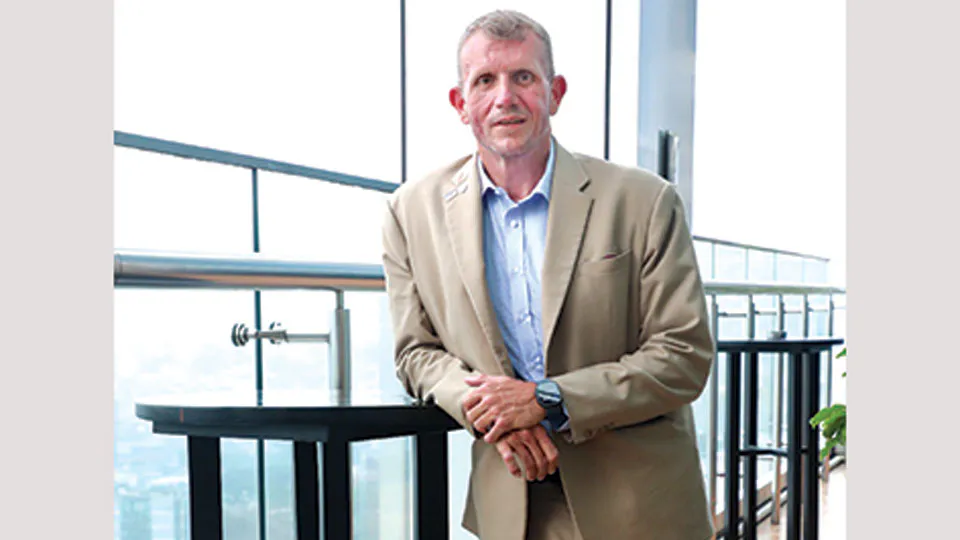 Gary Farstad
Corporate
travel returns selectively
Corporate
travelers, multinational executives, diplomats, development-sector
professionals and international project teams continue to form the hotel's core
customer base. However, corporate travel is returning selectively, with
companies placing greater emphasis on value, transparency and measurable
outcomes.
According
to Farstad, business stays are often shorter, while corporate approvals and
negotiated agreements are being reviewed more carefully. The hotel is therefore
focusing on flexible offerings while maintaining the security, service and
quality standards expected from an international luxury property.
Domestic
demand, meanwhile, has become increasingly important. Although leisure remains
smaller than business travel, Farstad expressed, more Bangladeshi consumers are
seeking premium experiences closer to home, creating opportunities for hotels
beyond traditional room business.
MICE
remains key
Meetings,
conferences, weddings and social events continue to be an important part of The
Westin Dhaka's business. Farstad claimed Dhaka's MICE market is evolving, with
clients seeking shorter planning cycles, greater value, customized concepts,
technology and seamless execution.
Corporate clients are increasingly looking for efficient and outcome-focused meetings, while wedding and social-event customers are demanding more distinctive and personalized experiences.
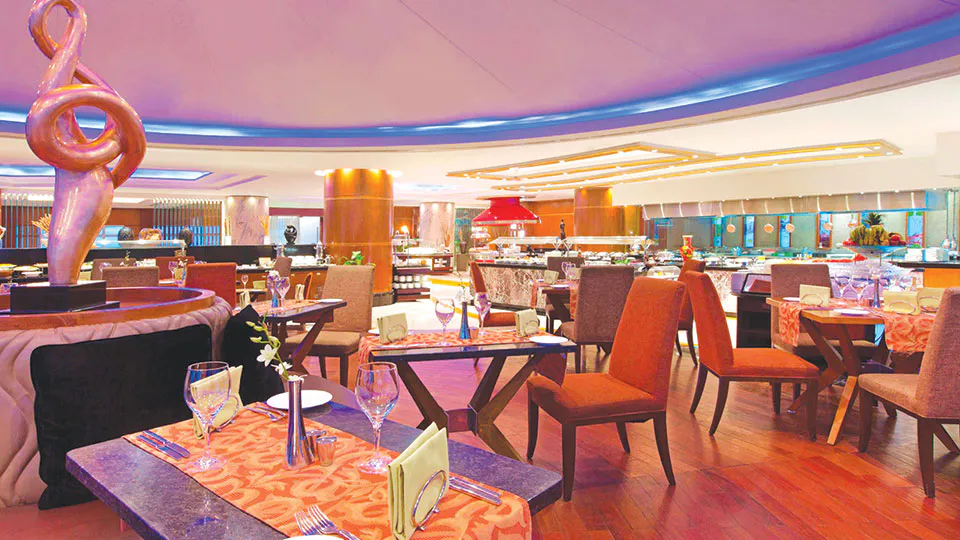
The
hotel sees an opportunity to combine flexible event design, creative menus and
consistent operational delivery to capture the changing demand.
Wellness
gaining importance
Wellness
is also becoming a more significant part of the hotel experience, particularly
among domestic customers. Farstad added guests are increasingly interested in
fitness, healthier food, quality sleep and restorative stays rather than
viewing wellness simply as an occasional luxury.
The
Westin's global "Eat Well, Move Well and Sleep Well" philosophy
provides a framework for responding to these changing expectations. The hotel
is looking to make wellness more relevant through healthier local food choices,
fitness activities and room experiences while allowing guests to balance
wellbeing with indulgence.
Rising
costs put pressure on operations
Farstad
identified rising food, energy and labor costs as major operational challenges
for luxury hotels. Maintaining international standards requires continued
investment in employees, utilities, maintenance, technology, safety and
imported products.
The
Westin Dhaka is addressing the pressure through tighter purchasing controls,
menu engineering, energy efficiency, preventive maintenance and productivity
improvements. Farstad noted profitability cannot be protected simply by cutting
quality and instead requires more efficient operations.
New
hotel supply to intensify competition
Dhaka's expanding hotel supply is expected to make the market even more competitive as international brands enter different price segments.
Farstad
also mentioned additional supply could strengthen Dhaka's profile as a business
and tourism destination, but room growth needs to be accompanied by stronger
demand generation. He pointed to the need for a more supportive investment and
tourism environment, including improved infrastructure, easier business
processes and greater development of entertainment, cultural and heritage attractions.
Westin
plans phased upgrades
The
Westin Dhaka is planning investments focused on both its physical facilities
and guest experience. These include phased revitalization of guest rooms and
the lobby, mechanical and life-safety upgrades, technology improvements and
refreshed restaurant and meeting spaces.
The
hotel is also investing in preventive maintenance, employee development,
sustainability and the use of guest feedback to improve service.
Looking
ahead three to five years, Farstad expects Dhaka's luxury hospitality sector to
become broader, more sophisticated and increasingly competitive. He said The
Westin Dhaka will focus on product renewal, wellness, culinary offerings and
personalized service to maintain its position.
He
also stressed that hotels alone cannot build a tourism destination. According
to Farstad, Dhaka's full potential will depend on coordinated public- and
private-sector efforts to improve access, infrastructure, destination
marketing, heritage preservation and the overall business environment.