

Domestic tourism reshapes resort demand as Chuti Gazipur enjoys short getaways

Dhaka
: Bangladesh's domestic tourism market is seeing a shift toward more frequent
short getaways, with resorts near Dhaka benefiting from growing demand for
family trips, corporate retreats and private events, according to Mostofa
Kamal, Co-founder and Managing Director of Chuti Resort Gazipur.
Kamal
said travel within the country has become a more regular part of life for many
Dhaka residents, with visitors increasingly choosing short breaks rather than
limiting domestic trips to major holidays.
Chuti
Resort has seen this change reflected in its booking pattern, including
stronger weekday demand from corporate groups, families and private events. The
trend, he said, suggests that resort tourism around the capital is moving
beyond traditional weekend outings.
Guests
want experiences, not just rooms
Families
remain the resort's largest customer segment, but its clientele also includes
corporate groups, couples, friends, day visitors and overnight guests.
Kamal
added expectations have changed significantly. Travelers now look for quality
food, attractive surroundings, privacy, recreational activities and dependable
service alongside accommodation.
Corporate groups, in particular, are seeking more than meeting facilities, with demand growing for team-building activities and outdoor experiences.
 Mostofa Kamal
The
proximity of Gazipur to Dhaka remains a major advantage. Traffic, noise and the
fast pace of city life are encouraging residents to seek nearby destinations
where they can relax without committing the time and expense required for a
longer vacation.
Eco-tourism
remains central to Chuti
Competition
among resorts in Gazipur has increased as more recreational properties enter
the market. Kamal said the growing number of operators can ultimately benefit
the sector by encouraging higher standards.
For
Chuti, however, environmental preservation remains a key point of
differentiation.
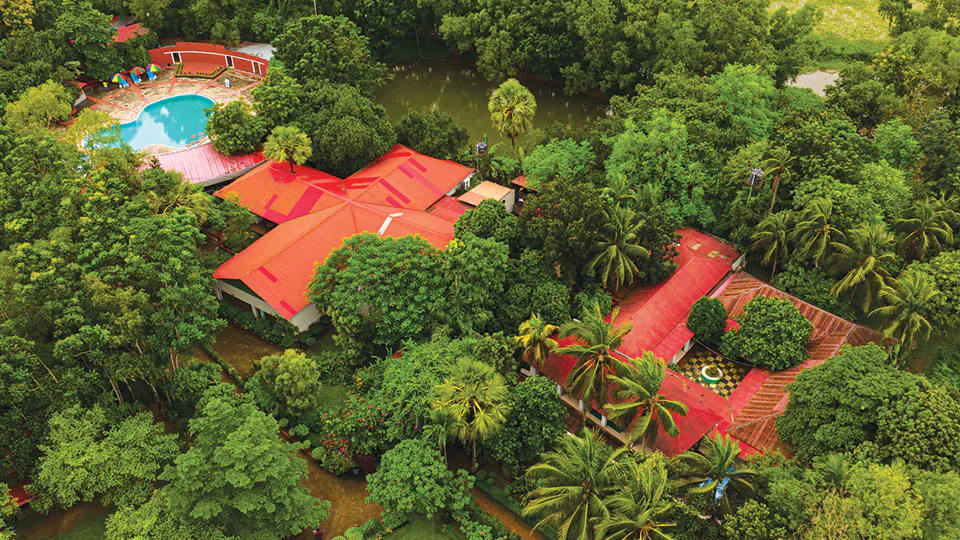
The
resort occupies nearly 60 bighas, with substantial areas retained as green
space, including a lake, forest cover and habitats for birds and other
wildlife.
Kamal
claimed the company has avoided decisions that could harm the natural
environment even when they might have offered commercial benefits. He cited a
decision not to install radio-frequency equipment because of concerns about its
potential impact on birds and butterflies.
The
resort also limits outdoor lighting during full-moon nights to preserve the
natural setting and allow visitors to experience moonlight and fireflies.
Weekday
demand gets boost
Winter
and holiday periods remain the strongest seasons for the resort, but Chuti has
been working to reduce its dependence on weekends.
Rather than relying primarily on discounts, the company has developed different products for corporate retreats, conferences, weddings, private celebrations, day trips and institutional outings.
Kamal
expressed packages need to reflect the needs of individual customer groups
rather than operate under a single pricing model.
Rising
food, utility, labor and maintenance costs remain a challenge. The resort is
focusing on better planning, reducing waste and improving staffing efficiency
before passing higher costs on to customers.
Dining,
recreation drive demand
Food
and beverage is increasingly influencing resort selection, with visitors
showing greater interest in local flavors, themed dining and special
celebration arrangements.
Chuti's
Jalsiri restaurant offers meals throughout the day, along with barbecue
options, organic produce and traditional foods such as pitha.
Dining
is combined with recreational attractions including kayaking, boating, horse
riding, playgrounds and the resort's lake environment to create a broader guest
experience.
Better
roads could unlock Gazipur's potential
Kamal
identified road conditions and traffic as the biggest barriers to Gazipur's
development as a major short-break destination.
He
further mentioned the area's proximity to Dhaka could make it one of the
capital's most important leisure destinations if access improves. He also
called for better signage, external waste management, safety standards and
coordination between public agencies and private tourism operators.
Chuti
expands across Bangladesh
Chuti
is pursuing an expansion strategy that goes beyond its Gazipur property. The
company already operates properties in Purbachal and Pubail, while Chuti Forest
Eagle Resort in Shamshernagar, Sylhet, extends the brand into a hill and
tea-garden setting.
Upcoming
projects include Chuti Harmony in Purbachal, Anondobari by Chuti and Chuti
Signature in Pubail, and Chuti Beach Resort in Inani, Cox's Bazar.
Under
the Saltanat brand, the company is also developing Saltanat Tea Resort in
Sreemangal and Saltanat Highway Village on the Dhaka-Khulna highway.
Kamal
said the expanding portfolio will cover different landscapes and travel
purposes while maintaining the group's focus on environmentally responsible
development.
He
concluded Chuti ultimately aims to become a trusted Bangladeshi hospitality
brand, with domestic tourism providing significant room for future growth.