

Rhythm Group eyes multinational expansion with focus on aviation, Terminal Three, industrial growth

Dhaka
: Rhythm Group is targeting expansion into a multinational business by 2030,
with its Managing Director Shohag Hossain placing aviation, airport ground
handling, tourism, training, retail and manufacturing at the center of the
group's growth strategy.
The
diversified Bangladeshi business group, which traces its roots to the travel
sector, currently operates 12 sister concerns and represents more than 30
international brands, according to Hossain.
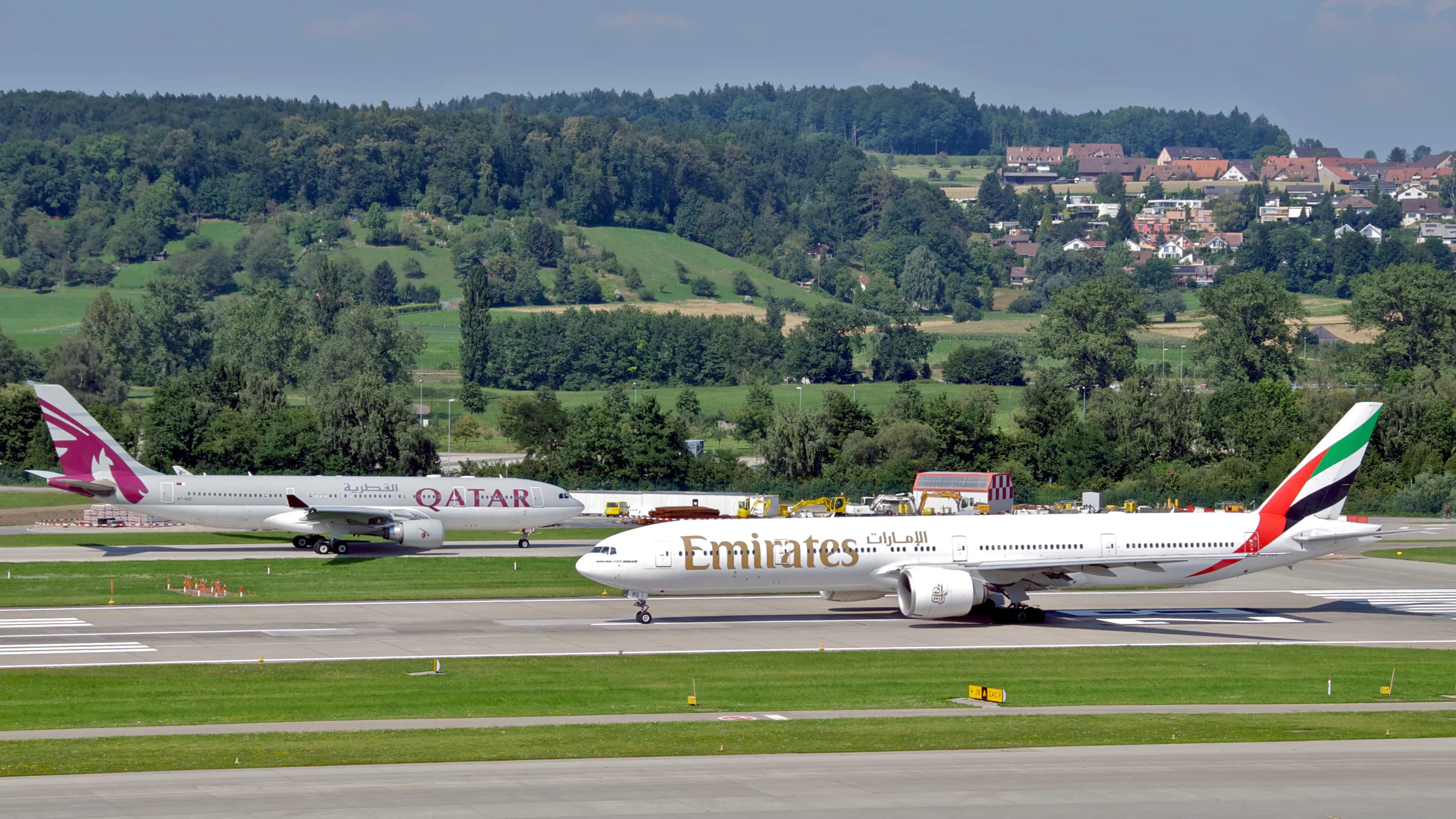
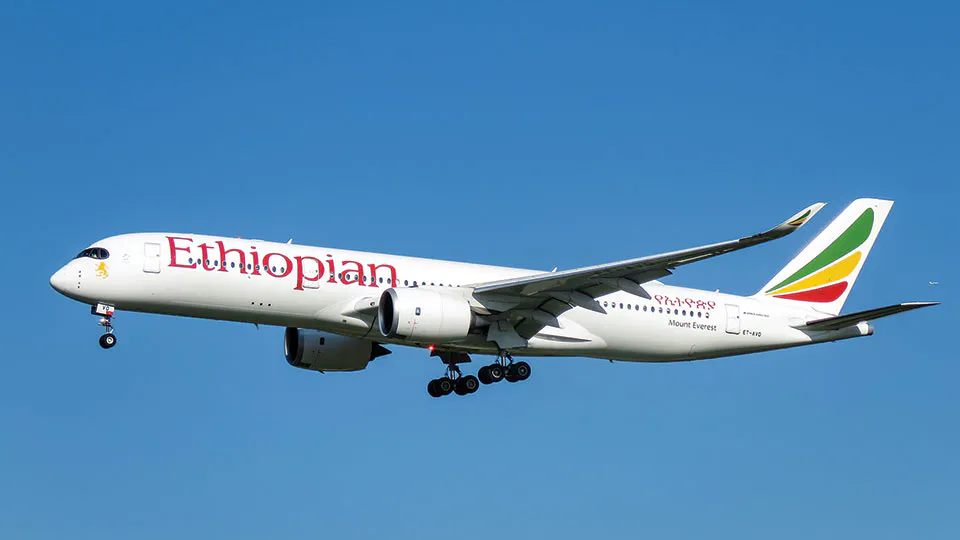
The group's aviation interests include representation of Air India, Riyadh Air, Air India Express, Ethiopian Airlines, Hahn Air and Yeti Airlines. It is also pursuing opportunities in ground handling at Hazrat Shahjalal International Airport's new Terminal Three through its joint venture with Swissport International.
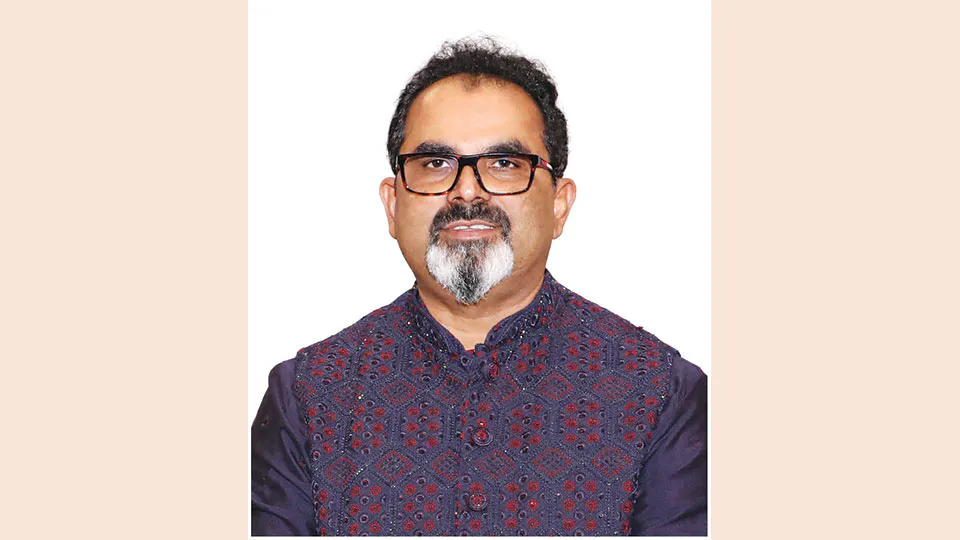 Shohag Hossain
Hossain
said the group's broader strategy is to use international partnerships and
local capabilities to build businesses that can contribute to Bangladesh's
aviation and industrial development.
Aviation
remains at core
Rhythm
Group's aviation business grew out of MAAS Travel and Tours Ltd, which Hossain
described as a cornerstone of the group. Established in the early 1980s, the
company has operated as an airline general sales agent and provides passenger
and cargo representation services.
Over
the years, the group expanded beyond traditional travel agency activities into
airline representation and aviation-related services.
Hossain mentioned MAAS continues to benefit from the wider group's financial resources and cross-sector operations, while its aviation expertise remains an important part of Rhythm's business.

The
group now sees airport services as another major area for expansion,
particularly with the long-awaited opening of Terminal Three at Dhaka airport.
Swissport
partnership, Terminal Three ambition
Rhythm
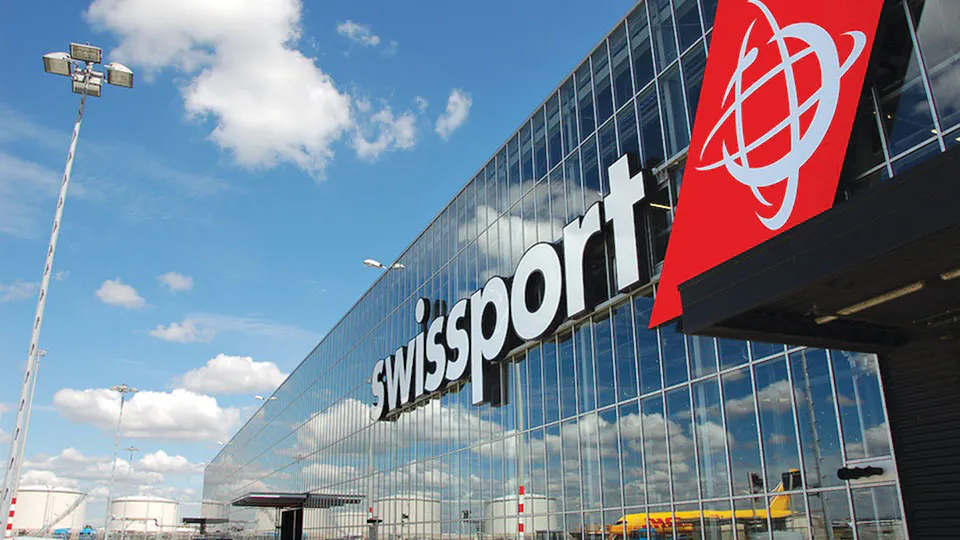
Group is the local joint venture partner of Swissport International, a global
airport ground services and air cargo handling company.
Through the partnership, the two companies are involved in airport ground services and related operations at Hazrat Shahjalal International Airport. Hossain added Rhythm is now pursuing the ground-handling opportunity for Terminal Three.

The
new terminal is expected to significantly increase the airport's
passenger-handling capacity and introduce higher operational and service
requirements.
Hossain
noted the Swissport partnership could allow Rhythm to bring international
ground-handling practices, technology and trained personnel into Terminal 3
operations.
The company's focus, he claimed, would cover areas including ground handling, passenger services and cargo operations.
The
Terminal Three opportunity is particularly significant for Rhythm because it
would expand the group's role from airline representation into a broader
airport-services business.
Hossain
expressed the group intends to use its partnership with Swissport to help raise
operational standards while ensuring compliance with international safety and
security requirements.
Expanding
into aviation training
Rhythm
is also looking at aviation training as part of its longer-term strategy.
The
group is working with Ethiopian Aviation University to develop commercial pilot
training and technical courses for aviation personnel in Bangladesh.
Hossain said the proposed training programs would focus on producing locally trained aviation professionals as the country's aviation sector expands.
The
timing is linked closely to the expected growth in airport capacity and airline
operations, particularly with Terminal Three coming into service.
Bangladesh
currently relies on overseas institutions for a significant portion of
specialized aviation training. Developing domestic training capacity could
reduce the cost and time associated with sending personnel abroad while
creating a larger pool of skilled workers for local airlines, airports and
aviation-service companies.
Rhythm
also sees the initiative as potentially creating a regional aviation education
opportunity if Bangladesh can develop internationally competitive training
facilities.
Hospitality
enters growth plan
The
group is also preparing to expand into hospitality.
Hossain said Rhythm is working to bring an international hotel management company to Bangladesh to develop and operate hotels aimed at business and leisure travelers.
The
proposed expansion reflects the group's view that aviation and tourism should
be developed as interconnected sectors.
Greater
international connectivity and increased passenger movement through Dhaka could
create additional demand for quality hotel accommodation, while a stronger
hospitality sector could support Bangladesh's ambitions to attract more
international visitors.
Details
about the proposed hotel project, including its location and investment size,
were not disclosed.
Titan
partnership broadens retail business
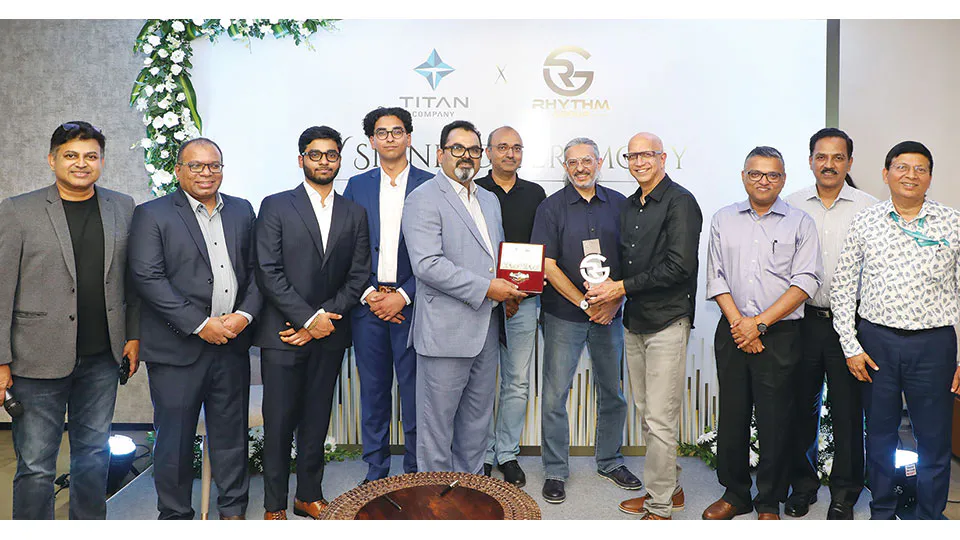
Beyond aviation, Rhythm Group has established a growing presence in lifestyle retail through its partnership with Titan Company, part of India's Tata Group.

Hossain
mentioned the partnership covers watches and jewelry and includes plans for
both manufacturing and retail operations.
The
group is developing a manufacturing facility at Meghna Economic Zone and is
also involved in supplying products to Tanishq outlets, according to Hossain.
The
Titan relationship complements Rhythm's other retail interests, including its
Bangladesh partnership for Samsonite and American Tourister.
The
group also operates businesses involving watches, optics and fragrances.
Hossain
further expressed the retail strategy is designed to connect the group's
businesses with the travel sector, arguing that consumers who travel internationally also represent a natural
market for luggage and other lifestyle products.
Manufacturing
provides another pillar
Rhythm's
business interests extend beyond travel and retail into industrial production.
One
of its major manufacturing operations is Graphics Print and Pack Ltd, which
Hossain described as a large automated offset printing and packaging facility
serving corporate customers.
The
group also has interests in textile mills and other industrial businesses.
According
to Hossain, these operations provide the group with a manufacturing base while
also creating opportunities to work with international industrial brands
seeking entry into Bangladesh.
The
group's industrial strategy is therefore not limited to serving its own
businesses. It also aims to develop local distribution and manufacturing
capabilities for global companies.
Looking
beyond ticket sales
Hossain
also added the group's evolution reflects a broader shift in how it views the
travel and aviation business.
Rather
than remaining focused solely on airline representation or ticket distribution,
Rhythm is seeking to participate in several stages of the aviation and travel
ecosystem.
Those
areas include airline sales and representation, airport ground handling, cargo,
aviation training, hospitality and travel-related retail.
The approach could allow the group to capture opportunities created by growth in international passenger traffic while reducing dependence on any single business segment.

For
Bangladesh, Hossain believes the expansion of aviation infrastructure could
generate opportunities well beyond airport operations.
He
pointed to employment, technical training, tourism, manufacturing and
international investment as areas
that could benefit from a stronger
aviation ecosystem.
Targeting
2030
Hossain's
stated goal is to turn Rhythm Group into a multinational enterprise by 2030.
Over
the next five years, the group plans to strengthen its aviation operations,
pursue the Swissport ground-handling opportunity at Terminal Three, expand its
Titan and lifestyle businesses, and grow its printing, packaging and industrial
operations.
Training,
maintenance, repair and overhaul, and hospitality are also identified as
potential areas of investment.
The
scale of the ambition will depend on the group's ability to execute multiple
projects across sectors while maintaining its existing international
partnerships.
For
Hossain, those partnerships are central to Rhythm's growth model. The group has
sought to position itself as a local platform through which international
companies can enter or expand in Bangladesh.
He
said the group's experience working with international airlines and brands has
also demonstrated the importance of maintaining professional standards,
regulatory compliance and long-term relationships.
After
more than four decades in the travel business, Hossain said the trust built
with international carriers, travel agencies, government institutions and
employees remains one of the group's most important assets.
His
longer-term objective extends beyond corporate expansion. He wants Rhythm to
contribute to the development of Bangladesh's aviation and related industries
by bringing international expertise into the country and creating more
opportunities for local workers.
With
Terminal Three expected to reshape Dhaka's airport capacity and Bangladesh's
international travel market continuing to develop, Rhythm Group is betting that
the next phase of growth will require more than airlines and airports.
It
will require ground services, skilled manpower, hospitality, technology and
supporting industries to grow alongside them.
That
integrated approach now forms the basis of Rhythm Group's ambition to move from
a predominantly travel-focused business into a broader multinational enterprise
by the end of the decade.