

Bangladesh delegation explores AirAsia’s low-cost aviation model in Kuala Lumpur

Dhaka: A high-level
Bangladesh delegation visited AirAsia Group’s headquarters in Kuala Lumpur on
August 17 to examine the low-cost carrier’s operating model, airport
infrastructure, digital passenger services, and aircraft maintenance
capabilities as part of efforts to identify potential lessons for the
development of Bangladesh’s aviation sector.
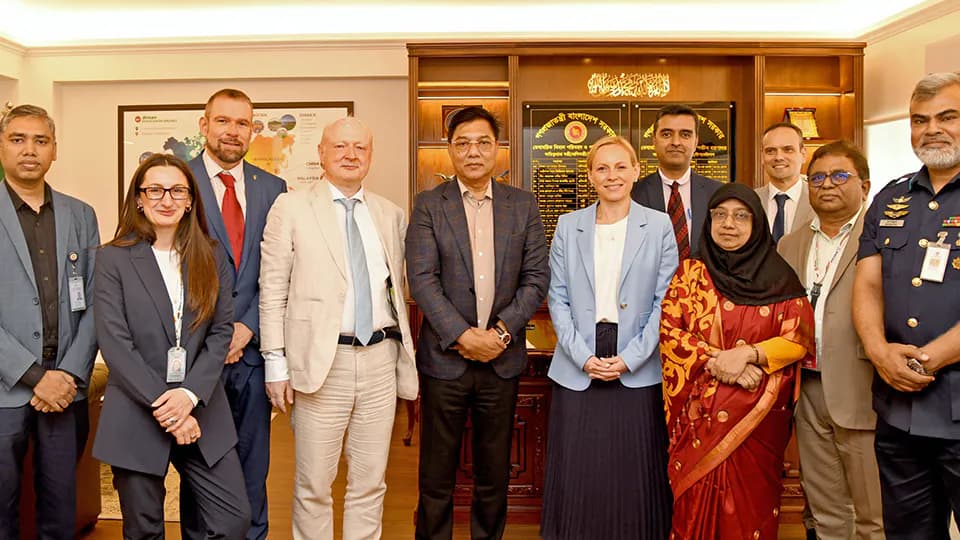
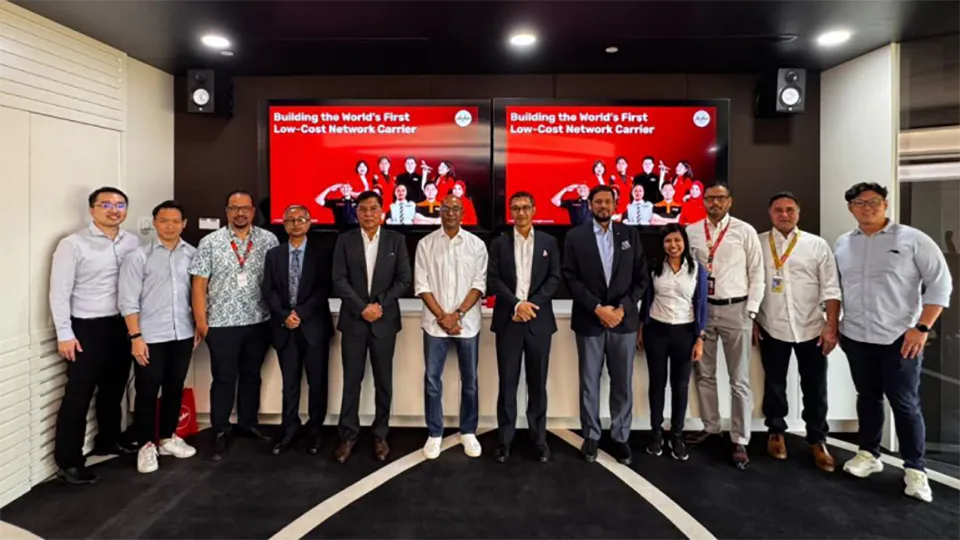
The delegation was led by
State Minister of Civil Aviation and Tourism M. Rashiduzzaman Millat, Bangladesh
Investment Development Authority (BIDA) Executive Chairman Chowdhury Ashik
Mahmud Bin Harun, and High Commissioner of Bangladesh to Malaysia Manjurul
Karim Khan Chowdhury. The program covered AirAsia’s RedQ headquarters, Kuala
Lumpur International Airport Terminal Two, and the facilities of Asia Digital
Engineering (ADE).
The visit focused on how
policy, airport infrastructure, technology, and engineering can work together
to lower airline operating costs while increasing aircraft utilization and
expanding access to affordable air travel.
AirAsia outlines low-cost
model
At RedQ, AirAsia
management, led by Group CEO Bo Lingam, briefed the Bangladesh delegation on
the fundamentals of the low-cost carrier model and the policy environment
needed to support its growth.
The discussions
highlighted that LCCs operate differently from traditional full-service
airlines and therefore may require a regulatory framework designed specifically
around their cost structure.
Among the areas discussed
were airline organizational structures, network planning, fleet selection,
route development and aircraft utilization. AirAsia also emphasized the
importance of controlling costs throughout the aviation value chain to make air
travel more affordable and expand the passenger market.
The delegation was also
briefed on the importance of airport efficiency. According to the visit
summary, faster aircraft turnaround and efficient infrastructure are key
components of the LCC business model because they allow aircraft to spend more
time operating rather than remaining on the ground.
The discussions raised
the possibility that a dedicated LCC program in Bangladesh could help align
regulatory, airport and operational requirements with the needs of low-cost
airlines.
Airport technology takes
center stage
The delegation then
toured Kuala Lumpur International Airport Terminal Two with Ground Team Red
(GTR), AirAsia’s ground-handling operation.
The airport visit
showcased infrastructure designed specifically to support efficient low-cost
operations. Delegates observed automated and self-service facilities, including
web and mobile check-in, airport kiosks, self-service bag drop, and automated
bag-tag printing.
The delegation also
examined baggage reconciliation and tracing systems aimed at improving
operational efficiency and passenger flow.
Airside infrastructure
was another major focus, with the program highlighting simplified terminal
layouts, efficient passenger circulation, dual-door boarding and apron
arrangements designed to reduce aircraft ground time.
The visit summary noted
that such systems can help support high aircraft utilization, with efficient
operations allowing aircraft to potentially operate multiple sectors each day.
For Bangladesh, the
experience could offer insights into how airport design and digital services
can reduce congestion, improve passenger processing and lower operational
costs.
Bangladesh delegation
visits 14-line MRO facility
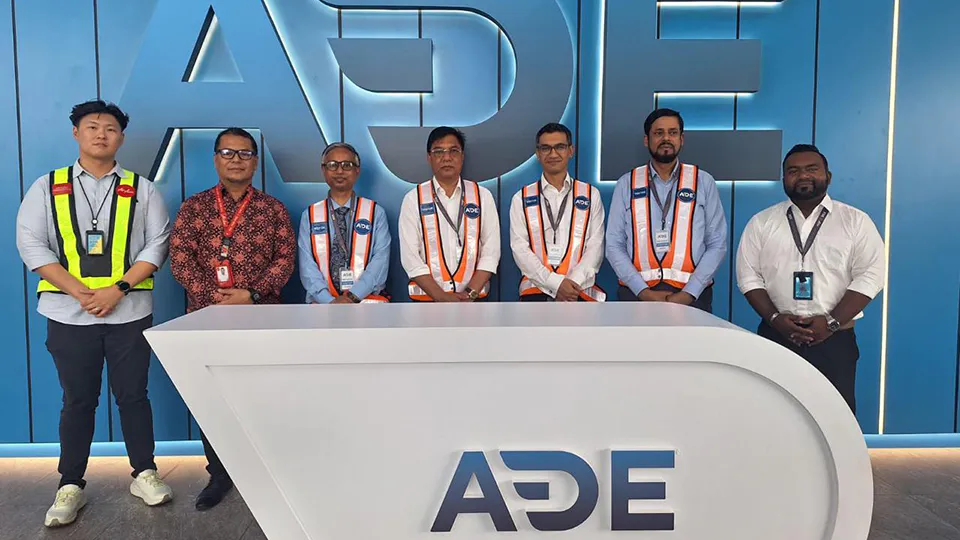
The delegation also
visited Asia Digital Engineering, where it toured a newly built 14-line
maintenance, repair, and overhaul (MRO) facility.
ADE demonstrated its aircraft maintenance capabilities and engineering support services, which are designed to improve fleet reliability and operational availability across the AirAsia network.
The visit highlighted the
importance of MRO infrastructure to the low-cost model. Reliable maintenance
allows airlines to maximize aircraft utilization while maintaining safety and
controlling costs.
For Bangladesh, developing
stronger aircraft maintenance and engineering capabilities could potentially
create opportunities beyond airline operations, including aviation investment,
technical employment, and regional MRO services.
Four areas identified for
aviation development
Across the three main
engagements, the delegation identified four interconnected areas as important
to building a successful low-cost aviation ecosystem: policy, airport
infrastructure, digital ground operations and engineering capability.
The visit demonstrated
how these elements can collectively reduce operating costs, shorten aircraft
turnaround times and improve fleet productivity.
The delegation’s visit
comes as Bangladesh seeks to strengthen its aviation infrastructure and improve
international connectivity. A more efficient and competitive aviation
environment could also support tourism, investment and wider economic activity.
Aviation leaders discuss
future cooperation
The program concluded
with a formal dinner hosted by Capital A CEO Tony Fernandes in honor of the Bangladeshi
visiting delegation.
The gathering provided an
opportunity for the Bangladeshi delegation and aviation industry
representatives to discuss issues related to the development of the aviation
sectors of Bangladesh and Malaysia.
While the visit was
primarily focused on learning from AirAsia’s operating experience, the
discussions also highlighted potential areas for cooperation between the two
countries.
For Bangladesh, the AirAsia model offers a practical example of how low-cost operations, digitalization, airport efficiency, and engineering capabilities can be integrated to support a broader and more affordable aviation market.