

Tourism, aviation, hospitality key areas for UK investment in Bangladesh

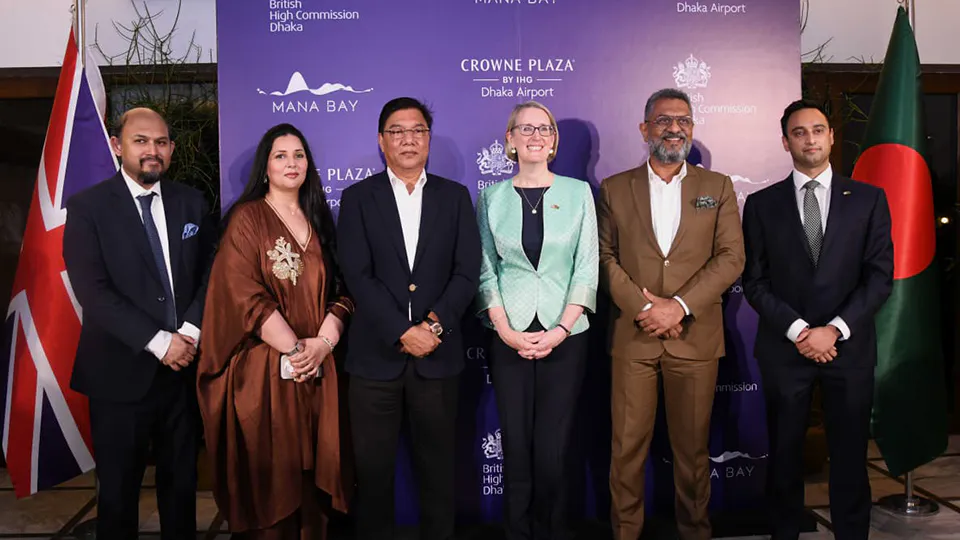
Cooke made the remarks on
September 29 at a reception titled “A Cocktail Reception to Highlight UK
Investment in Bangladesh Tourism Sector,” held at the British High
Commissioner’s residence in Dhaka.
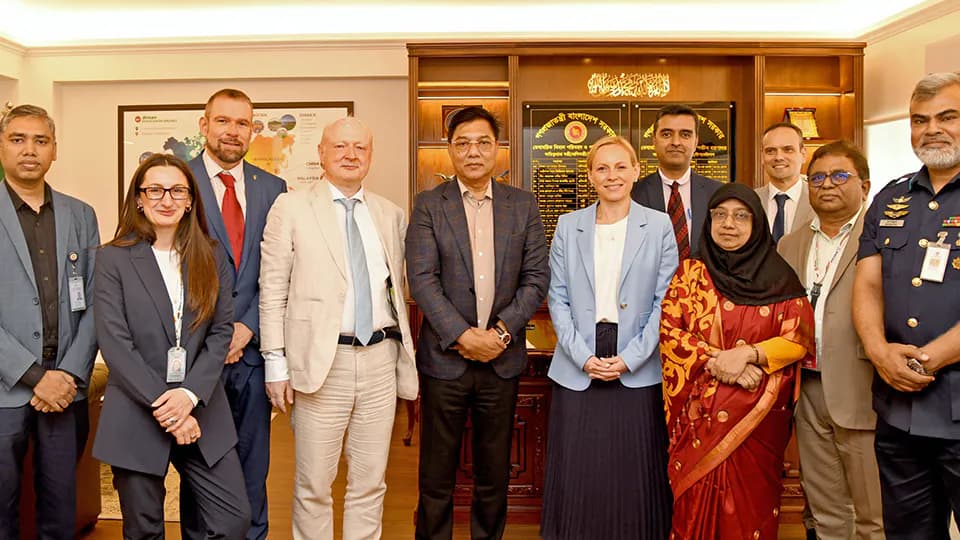
Civil Aviation and
Tourism Minister M. Rashiduzzaman Millat attended the event, along with
representatives from the UK, Germany, France, Spain and the European Union.
Senior officials from the Bangladesh Tourism Board, Bangladesh Parjatan
Corporation and Biman Bangladesh Airlines were also present.
In her remarks, Cooke
said Bangladesh’s economic transformation, infrastructure development, improved
connectivity and expanding private sector had created opportunities for further
international investment.
While manufacturing,
infrastructure and financial services are often discussed as Bangladesh’s major
growth areas, she said tourism and hospitality should also be considered part
of the country’s long-term economic development.
“Tourism is a powerful
economic driver,” Cooke said, noting its potential to generate employment,
attract foreign investment, support small businesses and encourage
infrastructure development.
Drawing from her travels
in Bangladesh, Cooke highlighted the country’s diverse tourism offerings,
including the tea gardens and natural attractions of Sylhet, Cox’s Bazar’s
coastline and the heritage sites and cuisine of Rajshahi.
She said Bangladesh has
the cultural, historical and natural resources needed to develop a stronger
international tourism industry, but investment and expertise will be necessary
to turn that potential into a larger economic sector.
Cooke pointed to the UK’s
experience in aviation, hospitality and tourism as areas where British
companies could contribute. She cited IHG as an example of international
hospitality expertise and referred to Mana Bay as a local investment project
demonstrating entrepreneurial activity in Bangladesh’s tourism industry.
She also stressed that
tourism development cannot be separated from aviation and connectivity. A
visitor’s experience, she said, begins with booking a flight and continues
through the airport and immigration process before reaching a hotel or
destination.
In this context, Cooke
highlighted the potential impact of Dhaka airport’s Terminal 3 and other
aviation investments on Bangladesh’s international connectivity.
The UK has expertise
across aircraft manufacturing, airport operations, ground handling, passenger
services and aviation technology, she said.
Cooke also highlighted
proposals involving Airbus and Menzies Aviation. Airbus is seeking
opportunities to support the future development of Biman Bangladesh Airlines
through a modern mixed fleet while contributing to skills and training. The
company is also interested in helping Bangladesh develop aircraft maintenance,
repair and overhaul capabilities.
Menzies Aviation, which
operates at more than 350 airports worldwide, is also considering investment in
Bangladesh. Cooke said the proposed investment could create more than 1,000
direct and 4,500 indirect jobs, alongside a training academy that could support
employees working in Bangladesh and across the company’s global network.
She also referred to an
aviation cooperation memorandum of understanding signed between Bangladesh and
the UK earlier this year, saying the agreement reflects both countries’
interest in strengthening connectivity and expanding investment opportunities.
The reception brought together government, diplomatic and industry representatives as Bangladesh seeks to attract greater investment into its tourism and aviation sectors.