

Airfares expected to stay high through fall

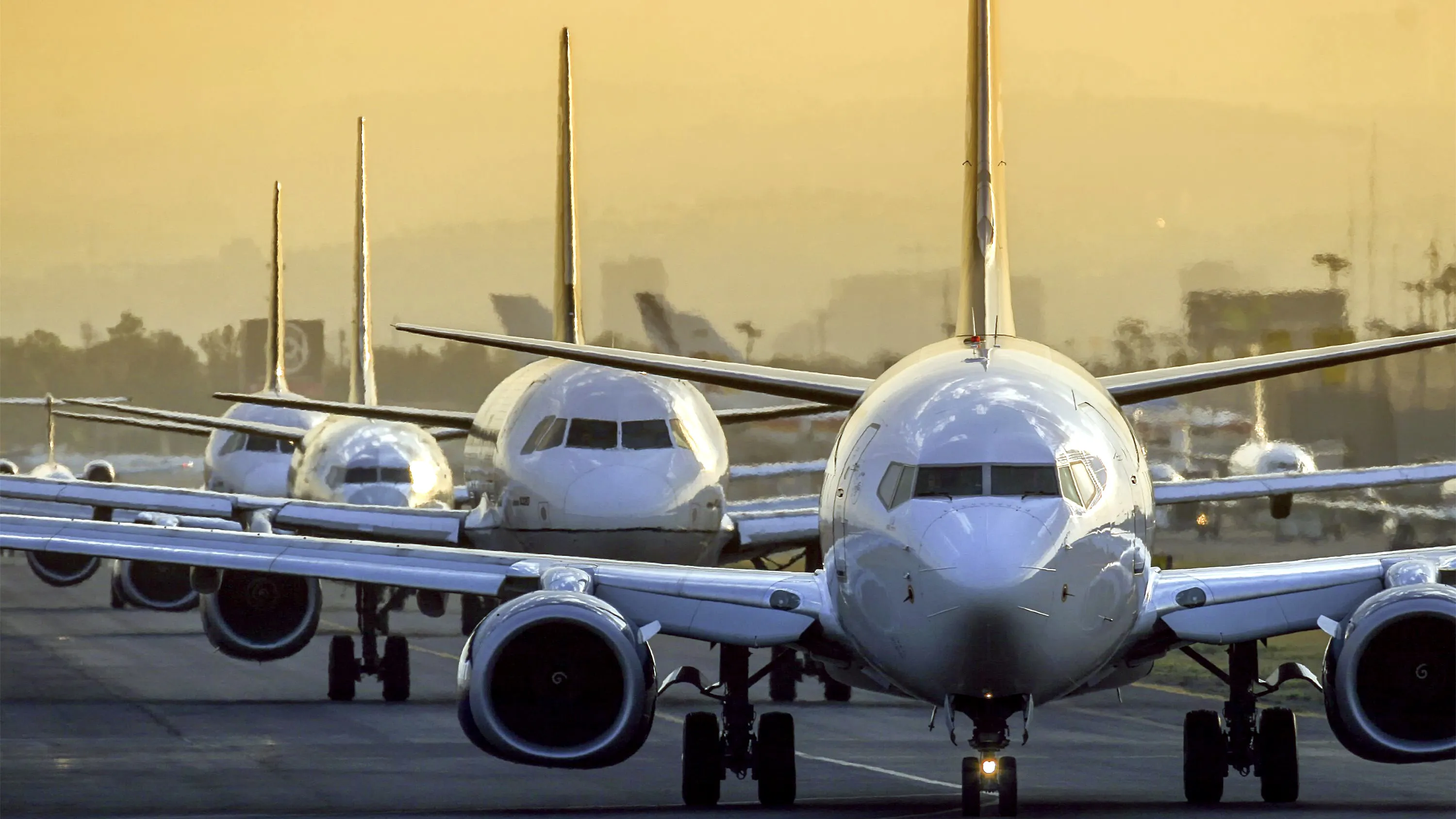
Dhaka: Air travelers are likely to keep paying higher ticket prices this fall, even if oil and jet fuel costs ease, according to a prominent news agency report citing airline and industry analysts.
Jet fuel prices surged after the U.S. and Israel attacked Iran, a move that eventually led to the closure of the Strait of Hormuz. Prices have since fluctuated sharply, making planning difficult for carriers.
In May 2026 alone, U.S. airlines spent USD 6.66 billion on jet fuel, up 84 percent from a year earlier, according to the US Bureau of Transportation Statistics.
When the conflict began, airlines trimmed some less profitable flights and raised checked-baggage fees. However, those steps failed to fully offset the soaring fuel costs.
In mid-September, executives of American Airlines, United Airlines, and Southwest Airlines told reporters they would cut capacity to protect profitability amid a weakening economic environment, media reports said.
According to a Deutsche Bank analysis, U.S. carriers operated 0.6% less capacity in the third quarter than a year earlier. Fourth-quarter capacity is expected to rise 1.9%.
With U.S. GDP growth projected at about 2% this year, capacity would typically expand by 3% to 4%.
Meanwhile, airfares have climbed significantly. The average ticket price stood at USD 405 in the last three months of 2025, according to the US Bureau of Transportation Statistics. It rose to USD 428 in the first quarter of this year and to USD 436 in April-June.
These figures exclude optional charges such as checked bags and seat selection.
Deutsche Bank analyst Michael Linenberg said the U.S. airline industry has implemented 10 fare increases since mid-March, when fuel prices first spiked due to the Iran war.