

US carriers push back on Air China's request for additional flights

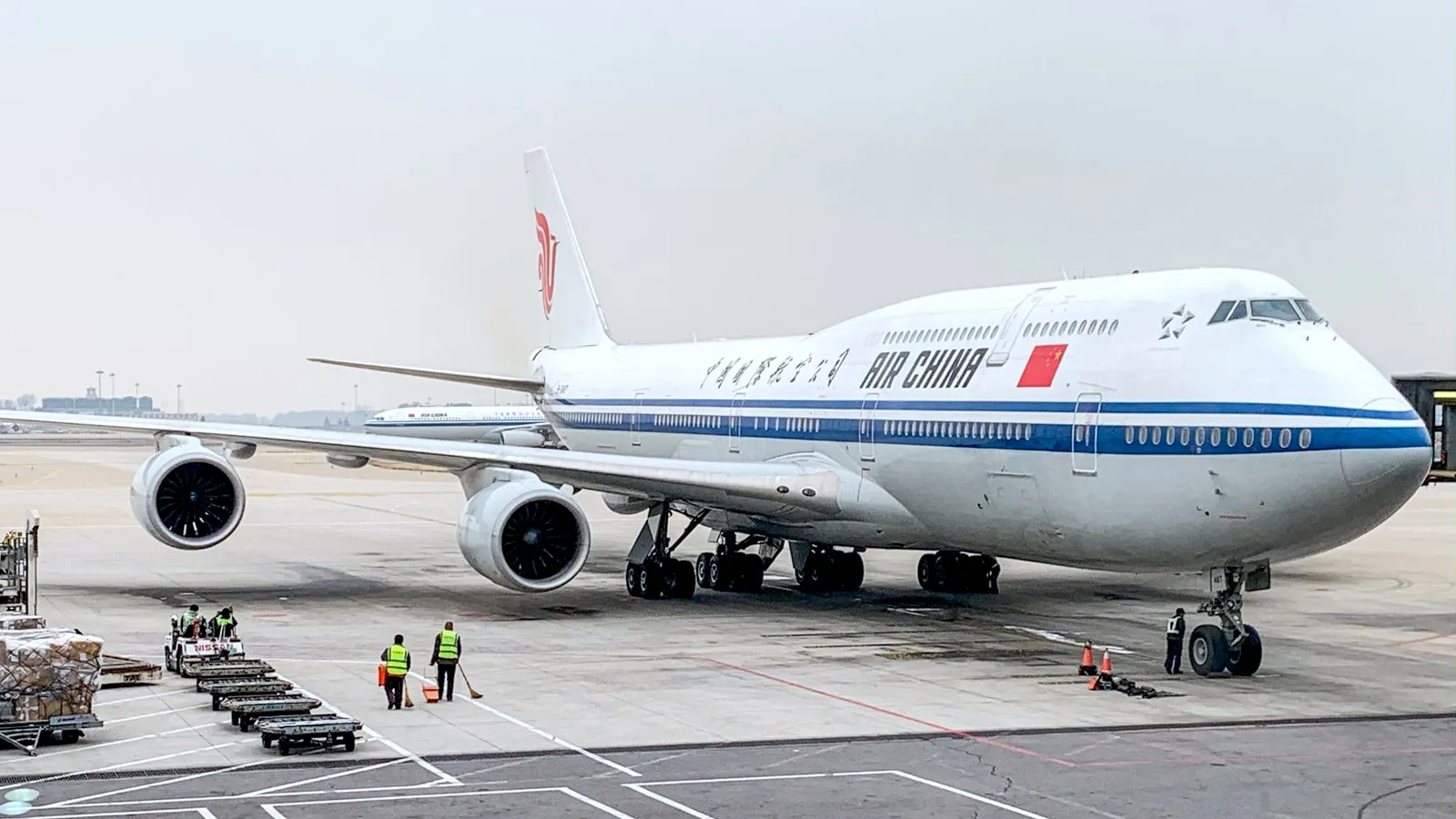
Dhaka: Major US airlines are opposing a request from Air China for two additional roundtrip flights between Beijing and New York and Washington, citing an unfair advantage tied to Russian airspace access.
Airlines for America (A4A), an American trade association and lobbying group, representing American Airlines, Delta Air Lines, United Airlines, and other US carriers, submitted its objection to the US Department of Transportation's public docket on September 17.
The requested flights are linked to Chinese President Xi Jinping's planned US visit rather than a permanent service increase. Xi is scheduled to visit the United States from September 23 to 25 for talks with President Donald Trump, China's Foreign Ministry said.
A4A wants the additional flights classified as charters instead of scheduled service. The group warned that approving them as regular flights could set a precedent for Chinese carriers to seek further expansion while the airspace dispute remains unresolved.
At the center of the disagreement is the economics of flying between China and the US East Coast. Russian airspace offers shorter, more fuel-efficient routes for Chinese-operated flights, an advantage unavailable to US carriers.
Russia barred US airlines from its airspace in 2022, retaliating against Washington's ban on Russian aircraft following the invasion of Ukraine. Chinese carriers faced no such restrictions.
A4A argues the resulting detours put US airlines at a significant disadvantage on key nonstop routes to China.
This is not the first attempt to level the playing field. In October 2025, the DOT had proposed barring Chinese airlines from using Russian airspace on US routes, but the plan was shelved ahead of trade negotiations after pushback from other federal agencies.
Chinese carriers, including China Eastern, China Southern, and Air China, had opposed the earlier proposal, warning that avoiding Russian airspace could add two to three hours to flight times, raise fuel costs, and disrupt passenger connections.