

Retail tourism offers hotels new clues about guest expectations

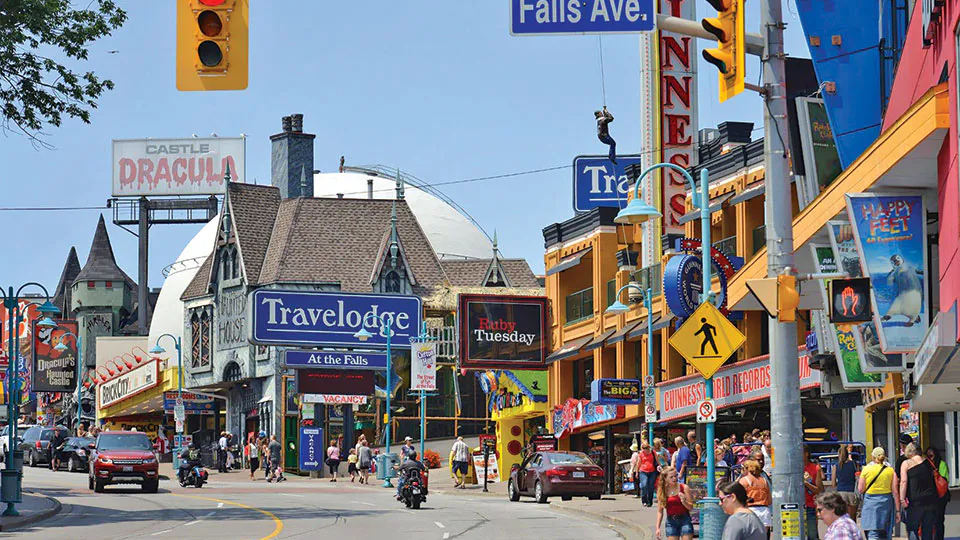
Niagara
: Retail tourism is emerging as a useful indicator of what travelers expect
from hotels, as shopping increasingly becomes part of broader trips that
combine dining, entertainment, attractions and local experiences.
For
hotel operators, shopping behavior can reveal priorities that extend beyond
spending. Ease of access, reliable recommendations, timing, convenience and
perceived value can influence how visitors plan their days and assess their
overall stay.
In
destinations such as Niagara, where shopping often overlaps with cross-border
travel and other attractions, visitors may arrive with a specific purpose but
adjust their itineraries based on convenience and available experiences.
Hospitality
operators can respond by improving destination knowledge among front desk and
concierge teams. Practical advice on shopping locations, transportation,
opening hours, dining options and itinerary planning can reduce friction and
help guests make better use of limited vacation time.
Research
on cross-border shopping tourism has also shown that a trip initially motivated
by shopping can generate demand for accommodation, restaurants and other
destination services, although the impact varies by market and local
conditions.
For
hotels, this creates opportunities for partnerships with retailers, tourism
organizations, restaurants and transportation providers. Rather than relying
solely on discounts, properties can create value by making the overall journey
easier and more personalized.
The
trend also highlights the importance of staff training. Understanding when
guests typically return from shopping can help hotels anticipate demand for
parking, luggage assistance, dining and other services.
As
travelers increasingly seek seamless experiences, retail tourism offers hotels
another way to understand and respond to guest behavior.