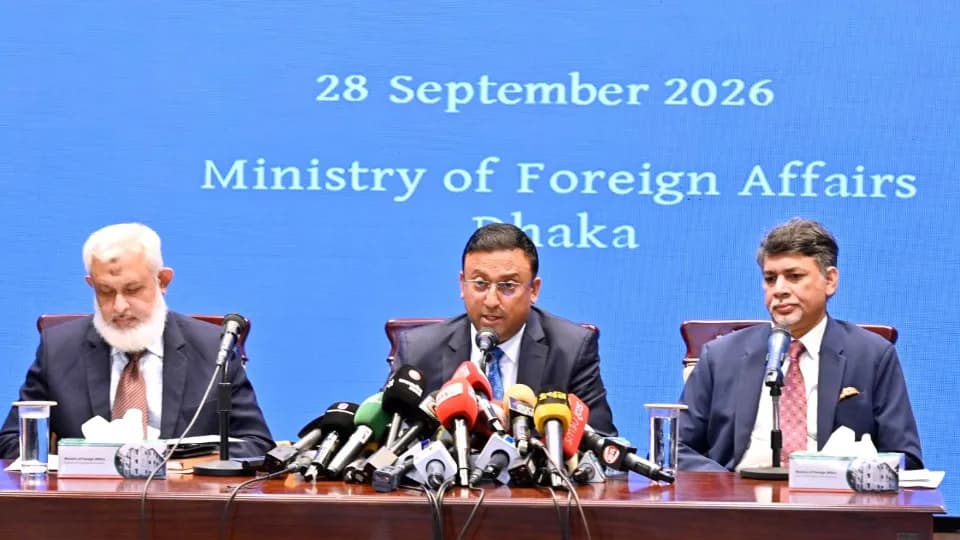


Bangladesh targets trillion-dollar economy by 2034 through stronger aviation sector

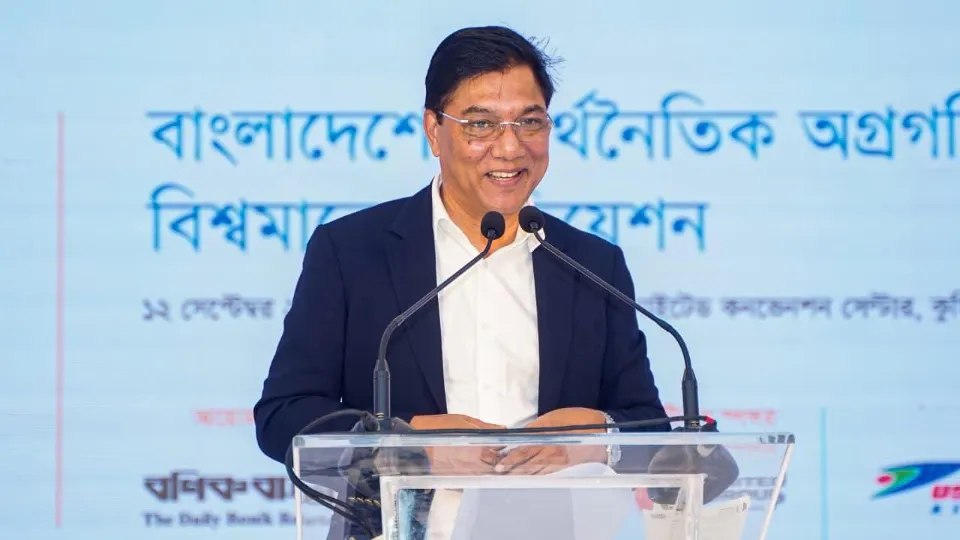
Dhaka: Bangladesh is
strengthening its aviation sector to help transform the country into a
trillion-dollar economy by 2034 and establish it as a regional aviation hub,
Civil Aviation and Tourism Minister M Rashiduzzaman Millat said on September 12.
“We are working to
transform the country’s aviation sector into a regional aviation hub under the
leadership of Prime Minister Tarique Rahman,” he said at a policy conclave
titled “World-class aviation for Bangladesh’s economic progress”, organized by
the Daily Bonik Barta at the United Convention Centre in Dhaka.
The minister said the
government had inherited a “fragile and chaotic” aviation sector, with
passengers facing various forms of harassment.
“Reducing passenger
harassment is one of the priorities of our government,” he said, adding that
many problems at Hazrat Shahjalal International Airport had already been
addressed.
He said passengers
previously had to wait 1.5–2 hours to collect luggage, while damaged conveyor
belts were also a common problem. The government has introduced body cameras
for airport workers and instructed authorities to unload passenger and cargo
flights simultaneously so that luggage reaches the conveyor belts within 15–20
minutes.
“After five days, I
checked and found that passengers were taking no more than 40 minutes to
collect their luggage from the belt,” he said.
Millat said the
government was also reviving an aviation infrastructure project that had
previously been cancelled, which he said could have resulted in a potential
loss of USD 2.1 billion.
“After taking office, we held five meetings with Japan, involving the chairman of the Investment Board, the foreign affairs state minister and the foreign minister, and ultimately reinstated the project with the Japanese consortium,” he said.
He said discussions on
budget airlines would be held with the prime minister in November, while work
to launch another international airport in Cox’s Bazar was in its final stage.
The government is also
considering PPP and joint-venture models and plans to involve the private
sector in projects and activities that cannot be efficiently operated by the
government, he added.
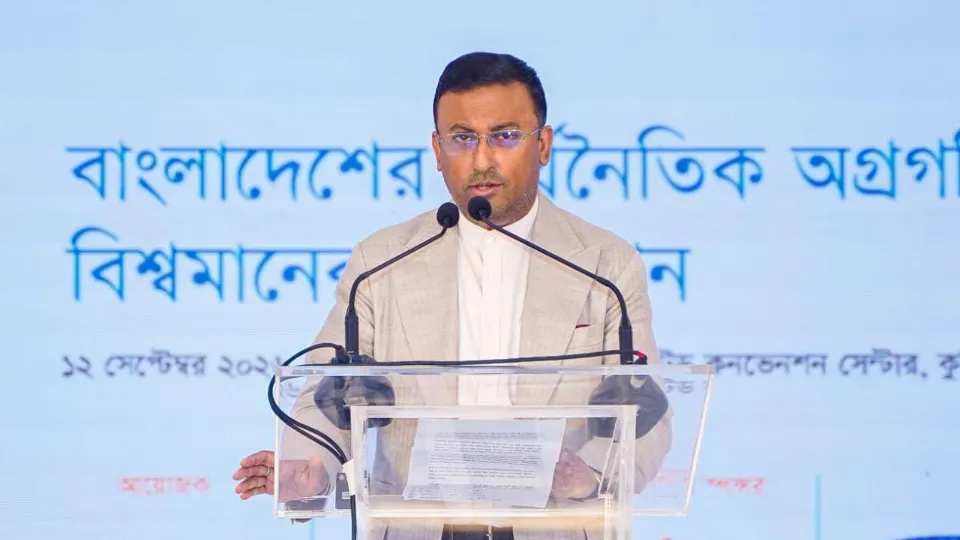
Foreign Affairs State
Minister Humaiun Kobir said the government would provide policy support to the
aviation sector and work to reduce bureaucratic complexities to improve the
business environment.
He said the government
aims to bring visible changes to the aviation sector within the next five years
and stressed the need to improve airport infrastructure, strengthen the
national flag carrier, establish international-standard ground handling and
expand aircraft fleets.
Air Vice Marshal (retd)
Mahmud Hussain, former chairman of the Civil Aviation Authority of Bangladesh,
said Bangladesh faces shortages of pilots and maintenance engineers and needs
to improve training capacity to meet growing demand.
Representatives from the
aviation sector, including CAAB member Air Commodore Md Nur-e-Alam, US-Bangla
Airlines Managing Director Mohammed Abdullah Al Mamun, Total Air Services Group
Chairman KM Mujibul Haque and Bangladesh Association of Banks and Dhaka Bank
Chairman Abdul Hai Sarker, also spoke at the event.
More than 400
policymakers, experts, diplomats, entrepreneurs and representatives of local
and international organizations attended the conclave.