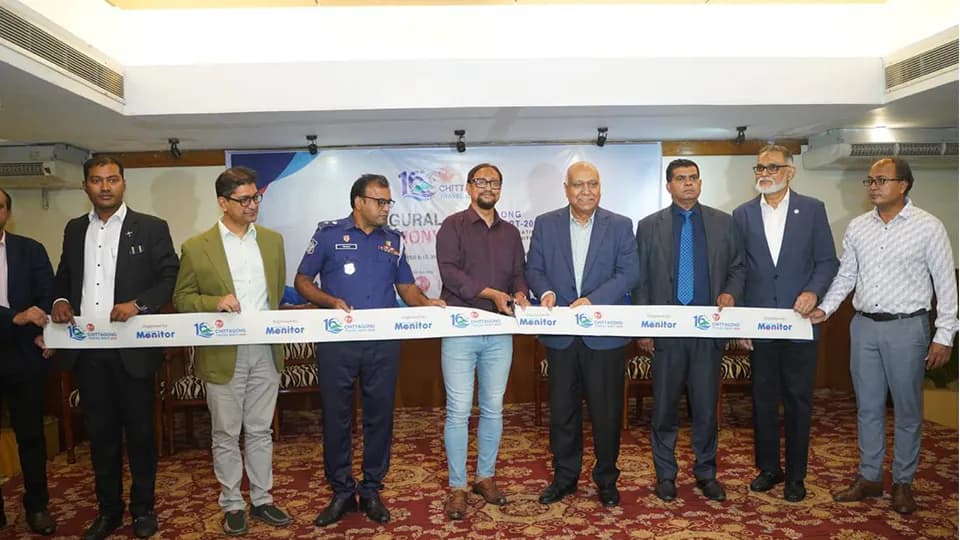


Rising costs threaten Hajj affordability as Bangladesh prepares for 2027 season

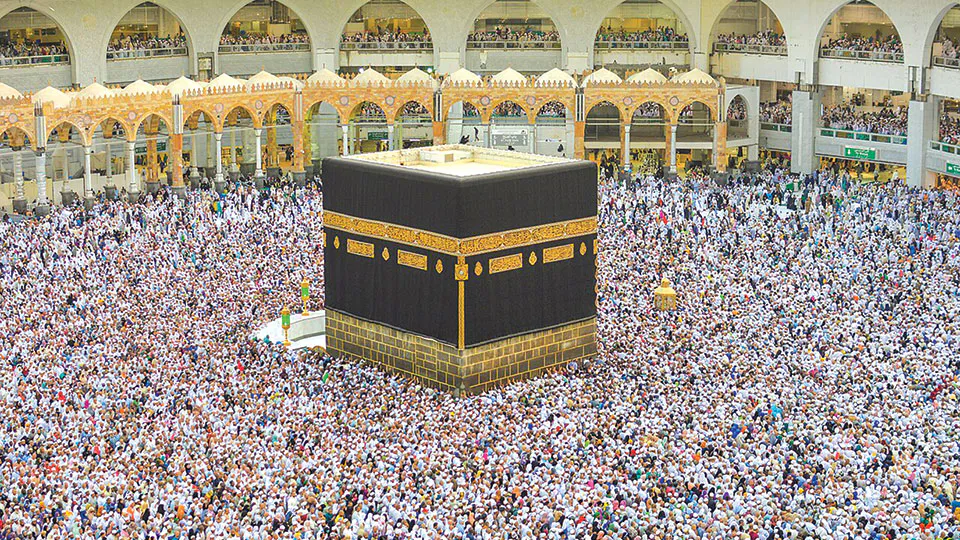
Dhaka
: Rising costs of Hajj are making the pilgrimage increasingly difficult for
Bangladeshi Muslims, with the country's Hajj agencies warning that the journey
could eventually become affordable mainly to wealthier pilgrims.
While
talking to The Bangladesh Monitor, Syed Golam Sarwar, President of the Hajj
Agencies Association of Bangladesh (HAAB), said Bangladesh expects to send
129,000 pilgrims to Saudi Arabia for Hajj in 2027, with 30 leading agencies
responsible for managing the pilgrims through around 650 coordinating agents.
Sarwar
said the 2025 and 2026 Hajj seasons were completed successfully and Bangladesh
aims to maintain its position among South Asia's best-performing countries in
pilgrim management and operations. Bangladesh was ranked first in the region by
Saudi authorities last year, he added.
Private Hajj packages for the 2027 season will start at BDT 513,000, while the government package will begin at BDT 505,000. Packages costing up to BDT 2 million will also be available, with higher-priced options offering additional facilities.
Although
airfare costs have been reduced by BDT 24,000 for the upcoming season, the
saving has been offset by higher expenses in Saudi Arabia, including fees for
service providers, tents, hotels and the impact of currency inflation, Sarwar
claimed.
He
mentioned the rising cost of Hajj is also contributing to increased demand for
Umrah. Around 500,000 Bangladeshis are expected to perform Umrah next year,
broadly matching last year's figure. Umrah can now be arranged independently
through Saudi Arabia's Nusuk platform, while the country has also introduced a
one-year multiple-entry visa for Umrah pilgrims.
Sarwar urged prospective pilgrims to verify agency licenses before making payments, saying 124 unlicensed operators have been identified and their names submitted to the Home Ministry. He alleged that such operators often collect pilgrims through local religious figures and leave them vulnerable to fraud.
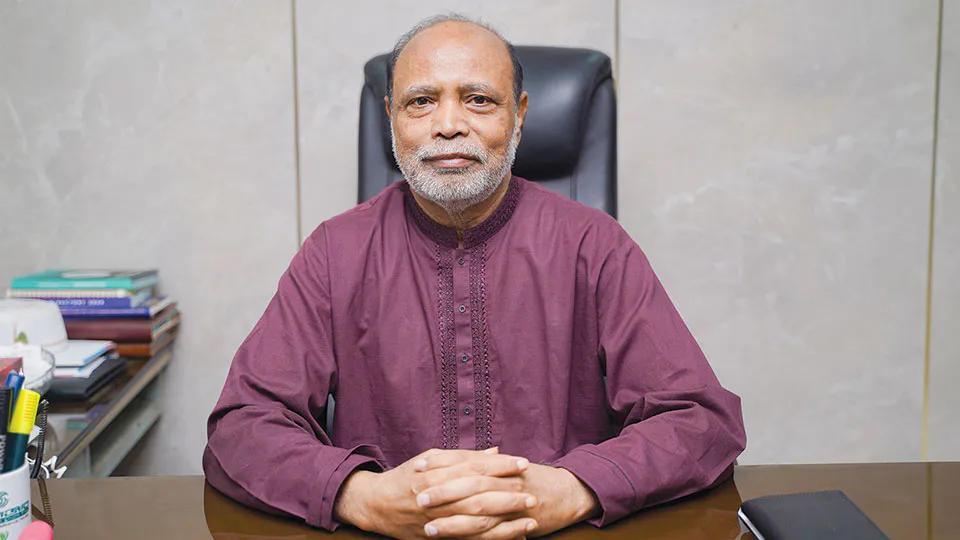 Syed Golam Sarwar
He
also criticized Saudi Arabia's decision to limit Bangladesh's Hajj operations
to 30 lead agencies, despite the country having 600-700 licensed Hajj agencies.
According to Sarwar, licensed agencies pay significant fees and annual renewal
charges but are now required to operate as subagents.
He
called for the Bangladesh government, particularly the Foreign Ministry, to
raise the issue with Saudi authorities and seek a more open system.
Sarwar
said broader participation by licensed agencies could improve accountability
and service quality. Last year, only about 77,000 pilgrims traveled through
private arrangements and around 5,000 through the government program, leaving
Bangladesh well below its annual quota.