

Pakistan-Afghanistan airspace turns into global aviation hotspot amid Middle Eastern tensions

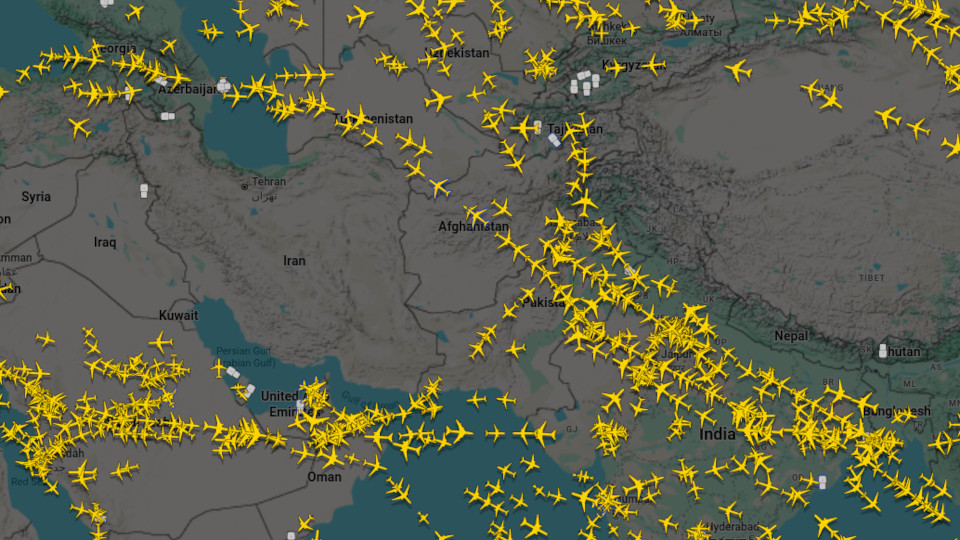
Dhaka: Pakistan and Afghanistan’s airspace has emerged as one of the world’s busiest aviation corridors amid escalating tensions in the Middle East, according to flight tracking data.
Airlines are increasingly rerouting long-haul international flights through the two countries to avoid conflict-affected zones, resulting in significant congestion across their skies.
Data from Flightradar24 shows a visible surge in overflights across Pakistan and Afghanistan in recent weeks. Multiple carriers have adjusted flight paths to maintain operational continuity while minimizing exposure to geopolitical risks.
Aviation experts said the spike highlights how global airlines are adapting route networks in response to instability, particularly across parts of the Middle East.
Civil aviation authorities in Pakistan reported that overflight traffic has multiplied several times since the escalation began. The unexpected increase is projected to generate millions of dollars in additional revenue for the country’s aviation sector through overflight fees.
Officials said enhanced monitoring and closer coordination with international airlines are underway to ensure safe and smooth transit operations.
Riyadh has also emerged as a strategic transit hub for evacuation flights departing the UAE, and that is further contributing to heavier air traffic across neighboring corridors.
Authorities in both Pakistan and Afghanistan are strengthening air traffic management protocols to prevent congestion-related risks. Measures include improved coordination, real-time monitoring, and optimized flight sequencing.
Industry analysts noted the growing reliance on the Pakistan-Afghanistan corridor underscores its strategic importance in global air transport, particularly during periods of regional instability.
They added that sustained use of these routes could provide long-term economic benefits, while also reinforcing the need for continued investment in infrastructure and airspace management systems to handle elevated traffic volumes safely and efficiently.
V