

Bangladesh, Lithuania seek stronger connectivity, migration cooperation

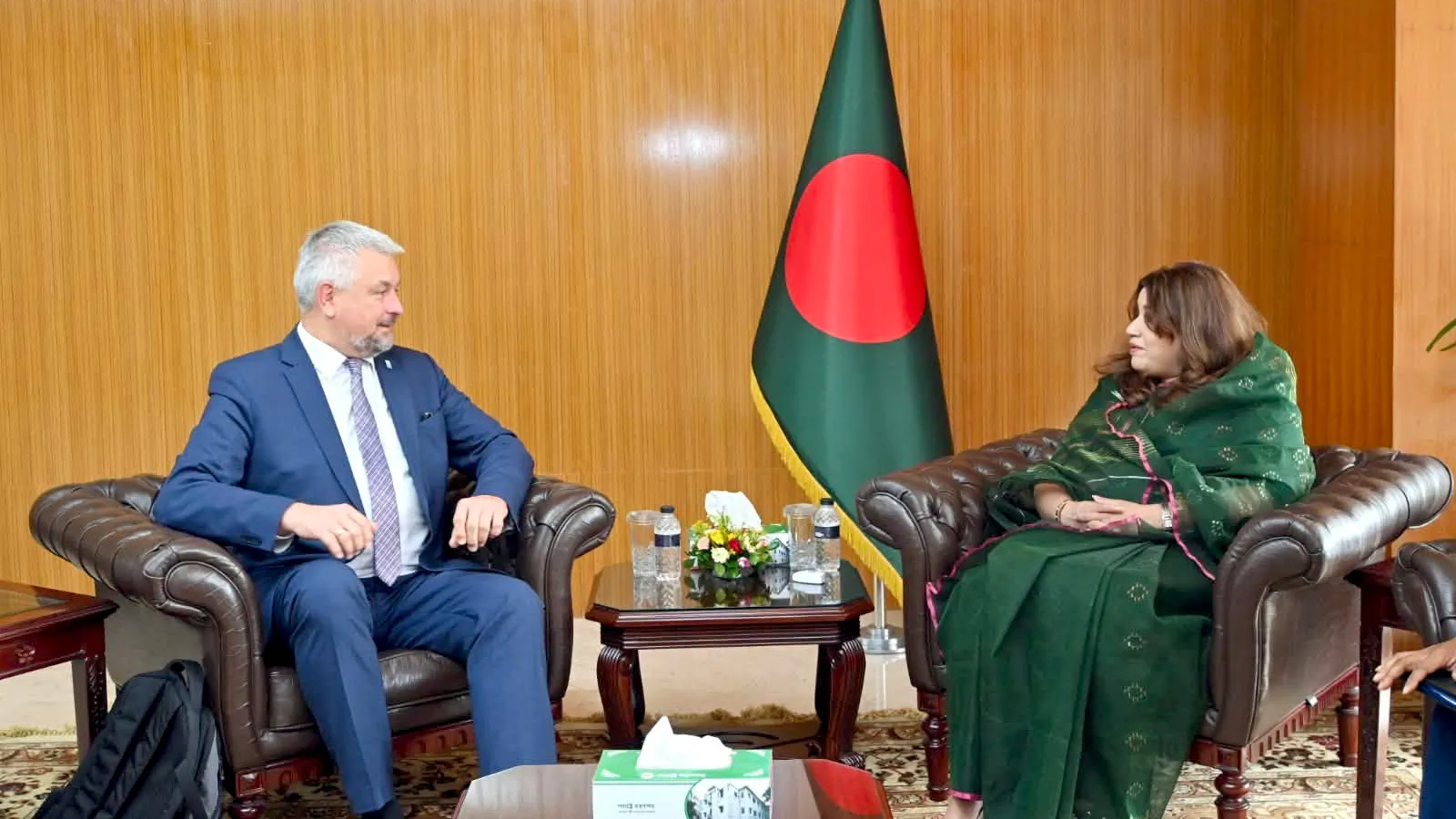
Dhaka: Bangladesh and Lithuania have agreed to explore wider connectivity and stronger cooperation in migration, human mobility, employment, and visa facilitation as the two countries seek to deepen bilateral relations.
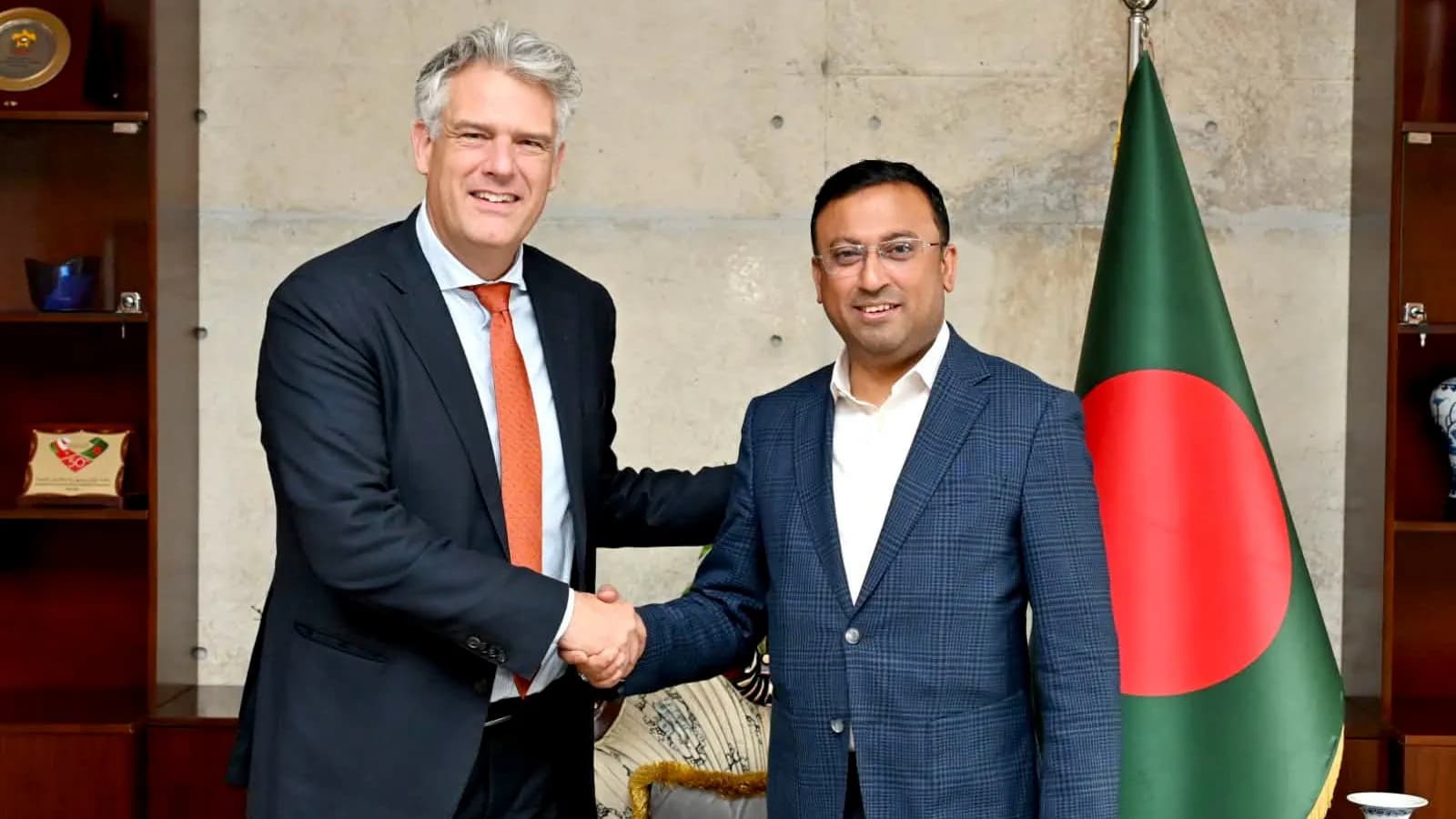
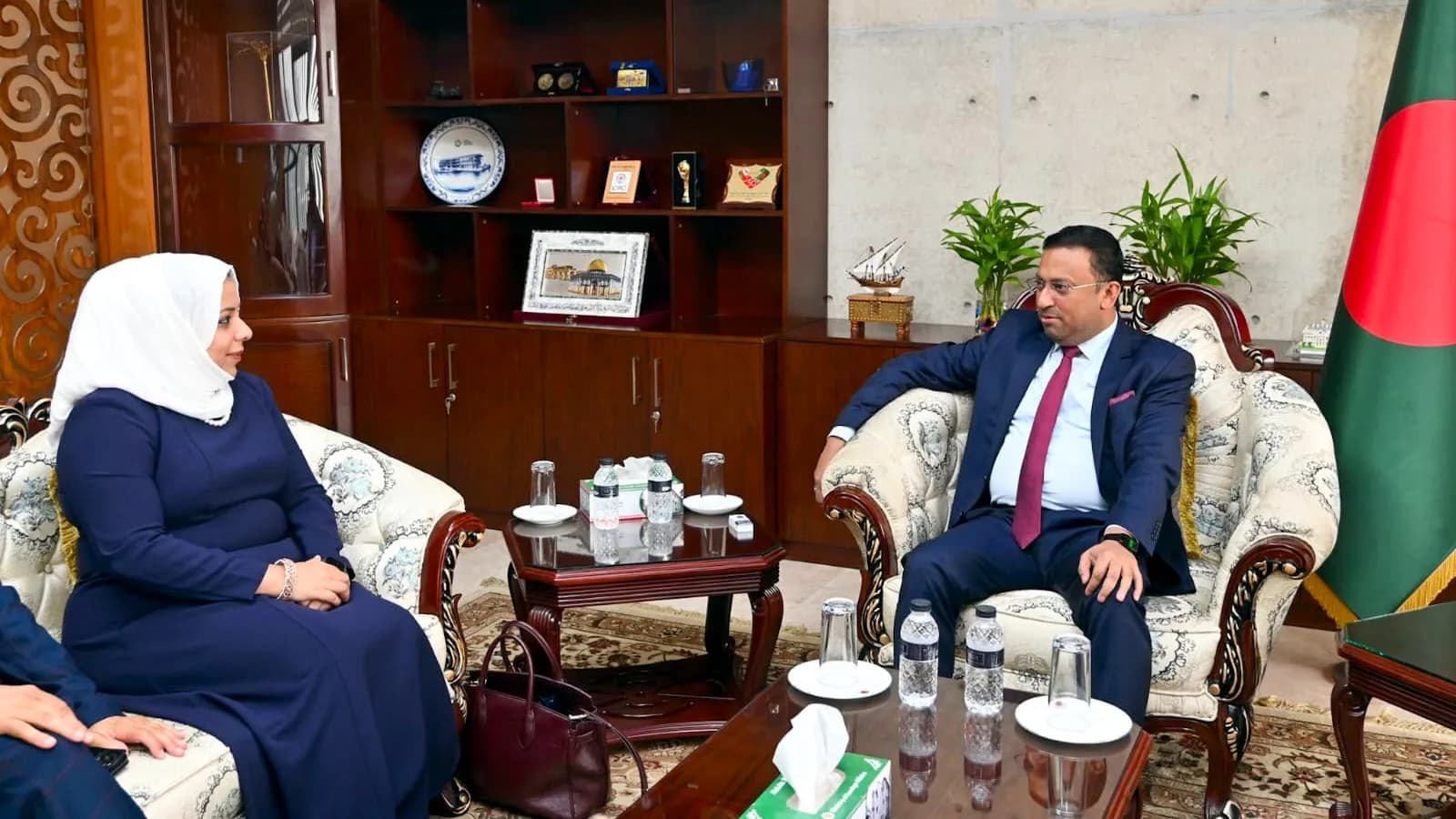
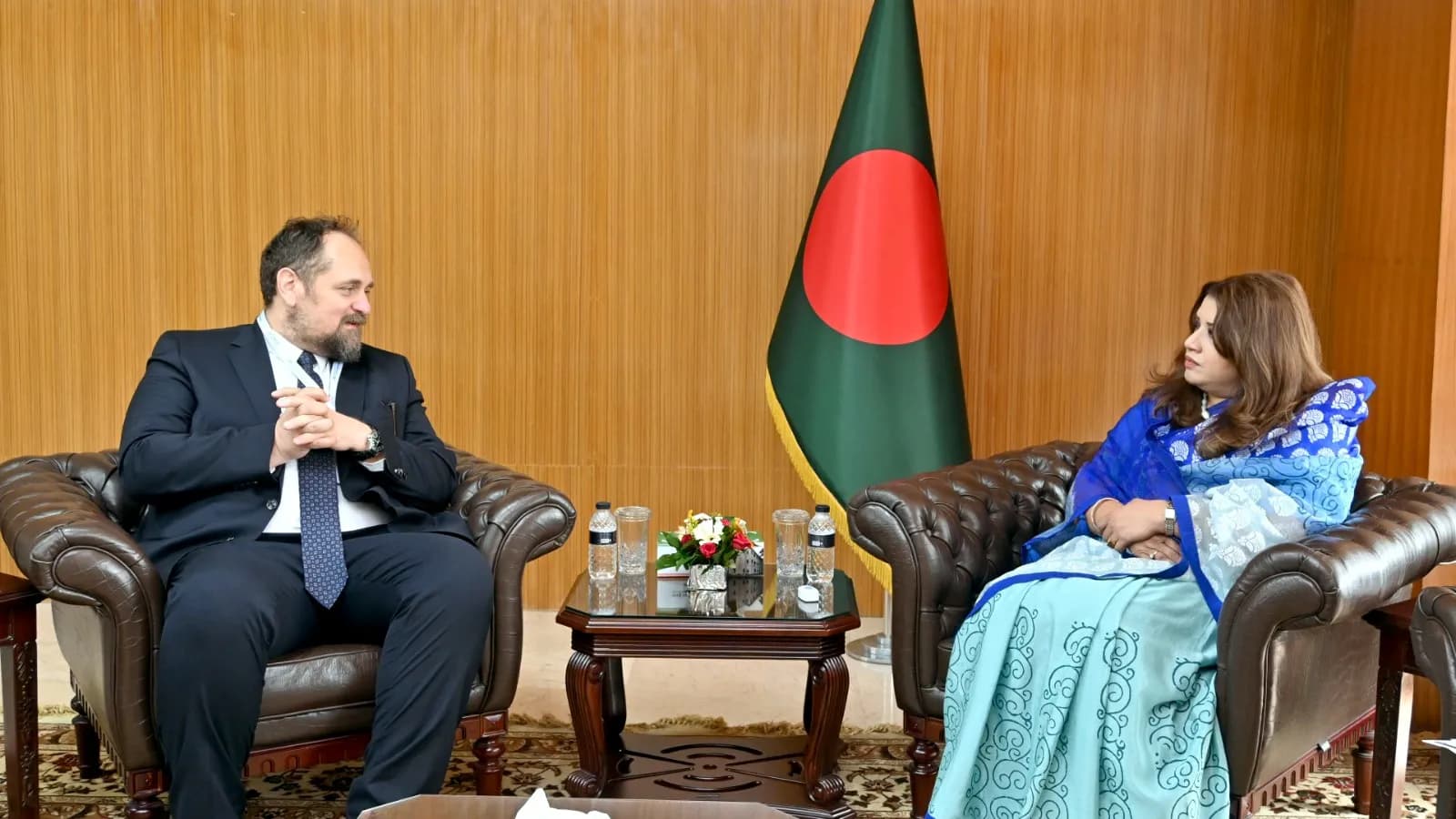
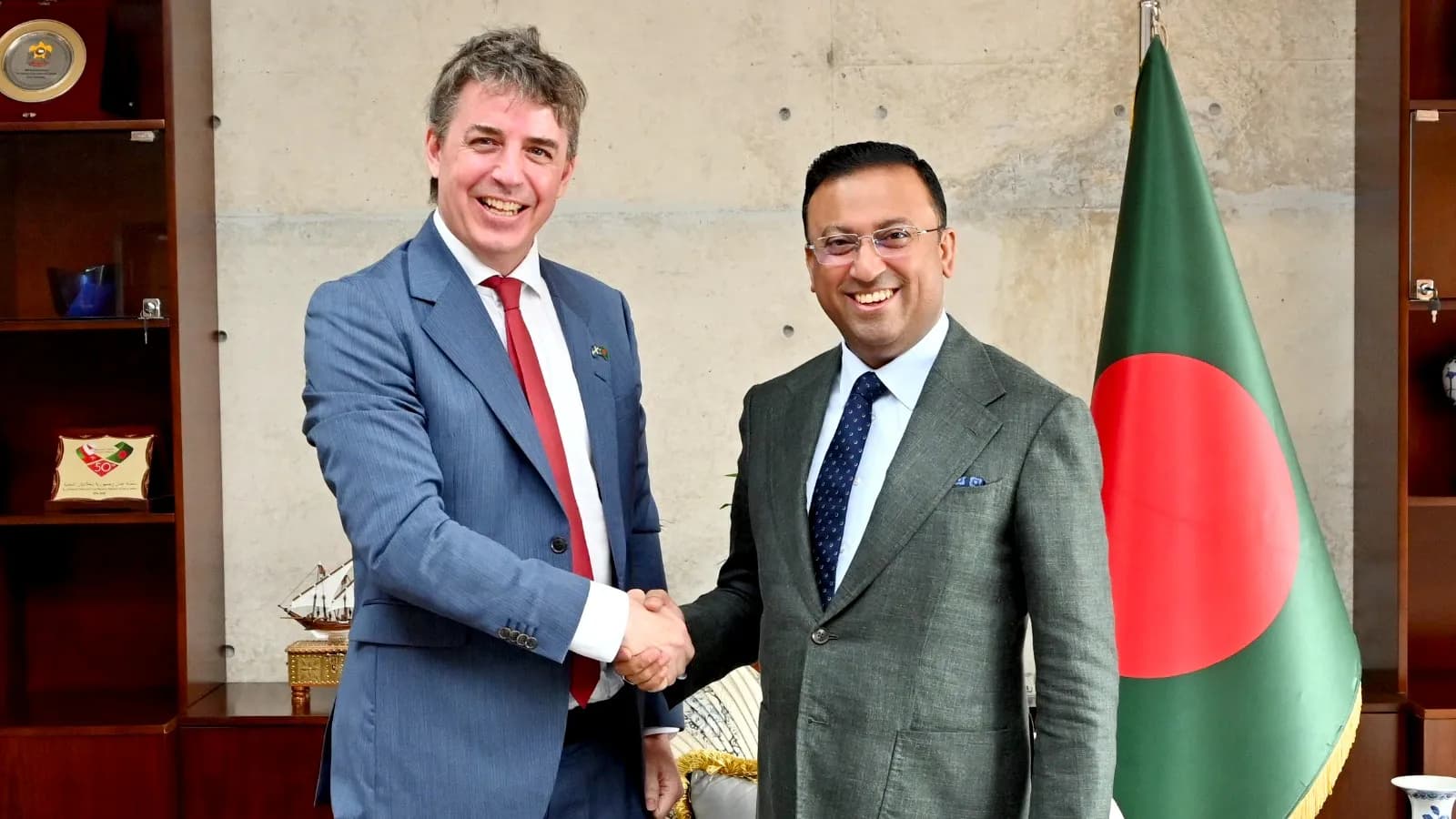
The issues came up during a meeting between Lithuanian Vice-Minister for Foreign Affairs Vidmantas Verbickas and State Minister for Foreign Affairs Shama Obaed Islam at the latter’s office in the capital on October 8.
The two sides discussed cooperation in manpower and employment opportunities, human mobility and migration, visa facilitation, education, and demographic dividends, according to Bangladesh’s Ministry of Foreign Affairs.
They also stressed the importance of expanding people-to-people connectivity through high-level visits, business delegations, youth and student exchanges, cultural programs, sports, and tourism cooperation.
The discussions on migration and mobility come as Bangladesh seeks to diversify overseas employment opportunities for its workers beyond traditional labor markets.
The state minister highlighted the need to widen mutually beneficial relations with Lithuania and strengthen cooperation in areas that could create new opportunities for Bangladesh.
She also called for stronger cooperation in information technology and the exchange of expertise and experience as part of Bangladesh’s efforts to expand its soft diplomacy.
The two sides discussed trade diversification, with Bangladesh urging Lithuania to import pharmaceuticals, biodegradable jute and jute products, leather goods, agro-products, furniture, and plastic products.
The state minister also invited Lithuanian investors to explore opportunities in Bangladesh’s agro-processing, renewable energy, IT and cybersecurity, and waste-management sectors.
Cooperation on climate change, environmental degradation, energy security, and food security was also discussed.
The two countries established diplomatic relations in 1992. Both sides emphasized greater exchanges and engagement in regional and international organizations to further strengthen bilateral ties.