

Bangladesh needs policy overhaul, investment push to unlock tourism potential

Dhaka
: Bangladesh needs coordinated government policies, stronger private-sector
investment, improved infrastructure, and a larger skilled workforce to turn
tourism into a major driver of economic growth, industry leaders and policy
experts said on August 8.
The
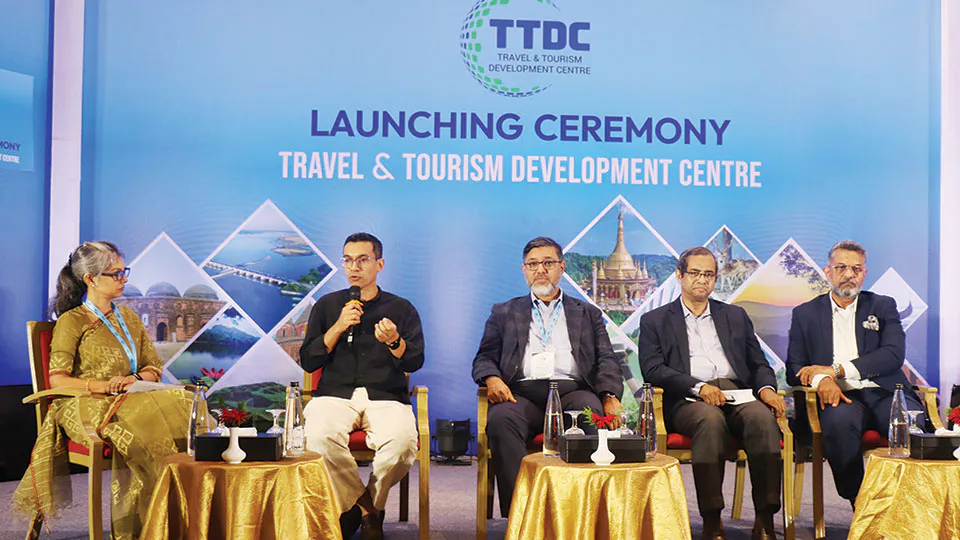
call came at the formal launch of the Travel and Tourism Development Centre
(TTDC), a national platform focused on sustainable development in Bangladesh's
tourism, hospitality, and aviation sectors through public-private
collaboration.
The
launch was held at Hotel InterContinental Dhaka, followed by a high-level panel
discussion featuring Chowdhury Ashik Mahmud Bin Harun, Executive Chairman of
the Bangladesh Investment Development Authority (BIDA); Dr. Khondaker Golam
Moazzem, Research Director at the Centre for Policy Dialogue (CPD); Ahmed Yusuf
Walid, President of Galaxy Group; and Ashwani Nayar, Area General Manager of
IHG Southwest Asia and Cluster General Manager of Crowne Plaza and
InterContinental Dhaka Airport. The discussion was moderated by Sadia Haque,
Executive Committee Member of TTDC.
Global branding needed
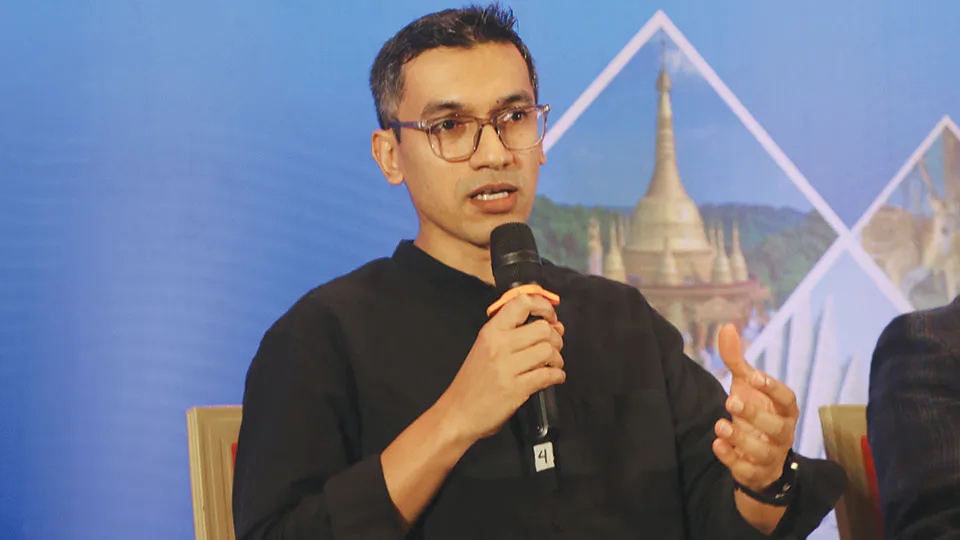 Chowdhury Ashik Mahmud
Chowdhury
Ashik Mahmud Bin Harun said Bangladesh needs a stronger international identity
as a tourism destination.
"We
need to brand Bangladesh," he stressed, adding that funds have already
been allocated for tourism promotion. He said the government recently discussed
tourism strategies with Prime Minister Tarique Rahman and decided to appoint a
global firm to develop a tourism branding strategy.
The
BIDA chief added the government is prioritizing tourism projects and
encouraging private-sector participation in government-owned hotels through
leasing arrangements. While tax cuts may be difficult, authorities should
explore other incentives and support mechanisms for tourism businesses, he
mentioned.
Policy implementation priority
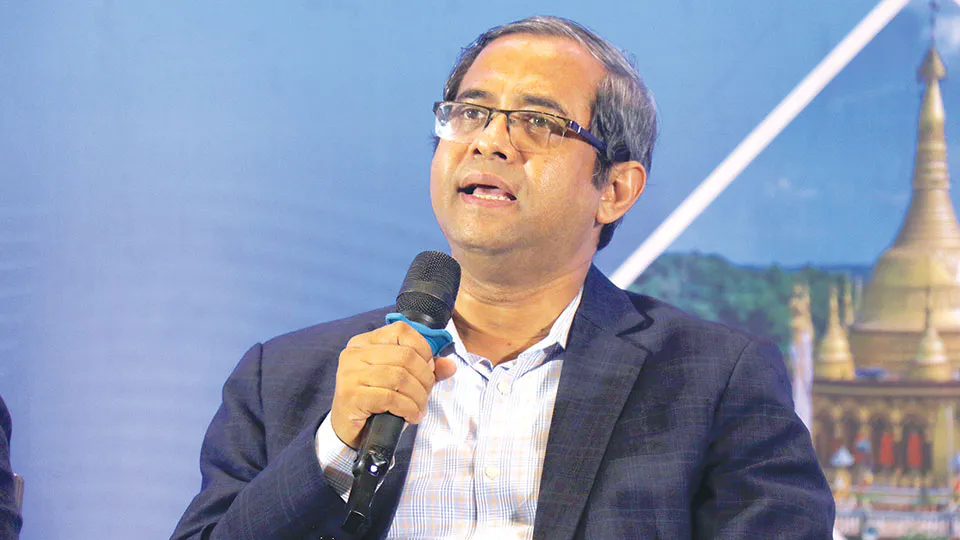 Khondaker Golam Moazzem
Dr.
Khondaker Golam Moazzem said private investment must play a central role in
tourism development, while the government needs to provide a supportive policy
environment.
Bangladesh
has introduced numerous tourism policies, but implementation has remained weak,
he claimed.
"It
is time we started implementing policies," Moazzem noted.
He
also highlighted the fragmented nature of tourism governance, noting that
around 18 ministries are involved in the sector. Greater coordination among
agencies is therefore essential.
Moazzem
called for wider e-visa facilities and simpler business visa procedures, saying
easier visa access could increase international arrivals. He also urged the
government to reduce VAT on tourism businesses while improving tax compliance.
Hotel shortage could widen
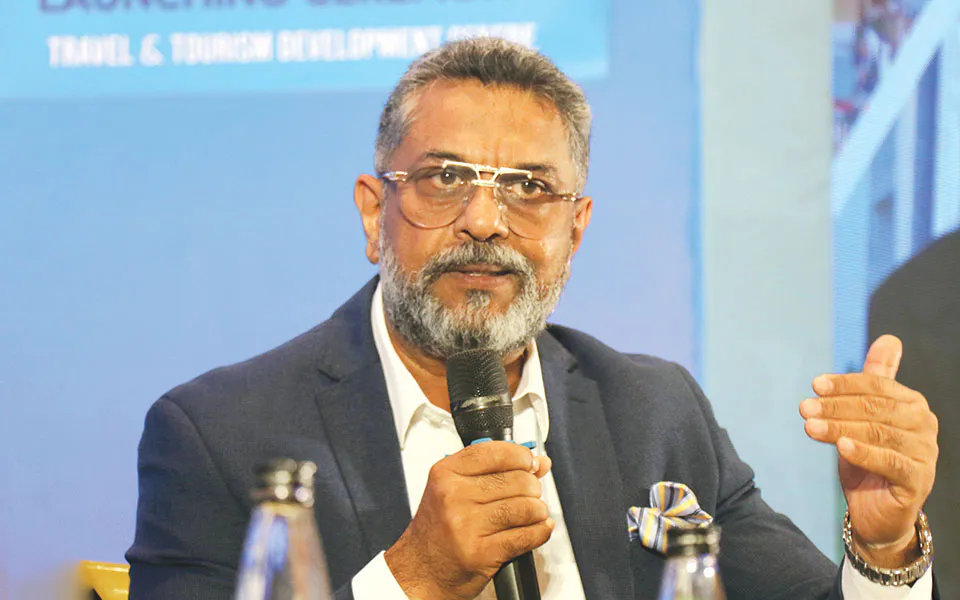 Ashwani Nayar
Ashwani
Nayar highlighted the gap between Bangla-desh's tourism ambitions and its
hospitality infrastructure.
He
said travel and tourism contributes about 10 percent of global GDP, compared
with around three percent in Bangladesh, leaving substantial room for growth.
Dhaka
currently has only around 15 to 20 three- to five-star hotels with roughly
3,000 rooms, while the city needs an additional 7,000 rooms, Nayar expressed.
The shortage could become more serious after the Third Terminal at Dhaka
Airport becomes operational.
He
called for incentives to attract foreign investment in hotels and emphasized
the need for budget, midscale, and upscale properties.
Nayar
also stressed the importance of domestic tourism, saying the local market could
provide a strong foundation for industry growth.
Investment, skills gaps
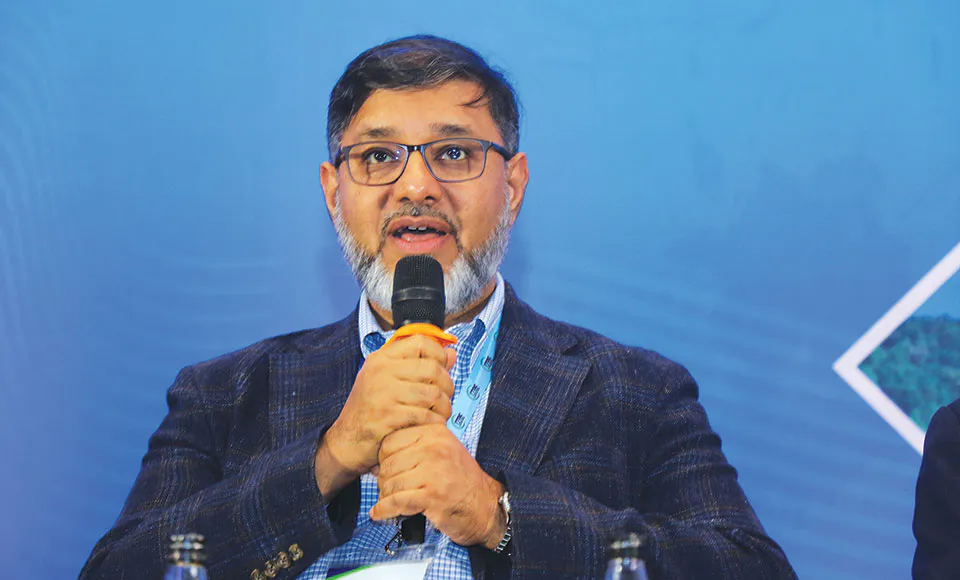 Ahmed Yusuf Walid
Ahmed
Yusuf Walid said Bangladesh should capitalize on its large domestic market
while increasing international arrivals.
He
called for tax incentives for airlines and hotels similar to those offered to
export-oriented industries. Inbound tourism can generate valuable foreign
exchange, but the sector requires long-term investment and often delivers
slower returns, he informed.
Walid
also highlighted shortages of skilled workers in aviation and hospitality.
Bangladesh lacks an IATA-accredited training center, while existing aviation
training facilities produce limited numbers of graduates.
The
hotel industry also needs substantially more trained personnel, he claimed.
Bangladeshi hospitality professionals are increasingly moving abroad for
better-paying jobs, underscoring the need to create stronger career
opportunities at home.
The
speakers agreed that tourism development is closely linked to aviation,
hospitality, infrastructure and workforce development. TTDC is expected to
provide a platform for government agencies, investors, businesses, and industry
experts to develop coordinated strategies and help unlock Bangladesh's tourism
potential.