

Heathrow's third runway plan may harm health of millions

Dhaka: A third runway at London's Heathrow Airport is likely to significantly harm the health and well-being of up to 3 million people living nearby, according to an official report released as the UK government launched the next phase of its airport expansion plan.
An analysis prepared for the Department for Transport (DfT) found that expanding London's hub airport could have major adverse impacts on the health of the local population.
Consultancy firm Aecom, which authored the report, said construction and operation of the runway would worsen noise and air quality. It could also affect access to housing, education, healthcare, open space, and transport.
The expansion would additionally impact water quality, weaken community identity, worsen local landscapes, and affect climate change mitigation efforts, the report added.
The impact assessment said the project would likely benefit jobs, income, and skills training but concluded that adverse effects on environmental and social factors were likely, several of them potentially significant.
The report is expected to inform mitigation measures for affected residents, though it noted that the impacts cannot be fully offset.
A DfT spokesperson said the health impact assessment described what would happen without mitigations, adding that the department was actively working to implement measures addressing noise, air quality, and job creation for local communities.
The disclosure came alongside the accelerated publication of a draft national policy statement backing the third runway, marking another milestone in the expansion process.
Transport Secretary Heidi Alexander said the consultation was a step toward realizing the benefits of a third runway, giving businesses, communities, and the public a chance to help shape the project.
She added that the government aimed to set a framework for future expansion at Heathrow addressing noise, air quality, climate change, and economic growth.
Lawmakers will vote on the policy, now called the Heathrow Expansion National Policy Statement, rather than a nationwide airports framework.
The previous version of the policy was approved under the Conservative government after the Airports Commission determined only one new runway could be built in southeast England without breaching UK climate commitments.
Chancellor Rachel Reeves, a longtime supporter of the runway, said an expanded Heathrow would support over 60,000 local jobs and deliver up to GBP 42 billion in benefits to the UK economy.
Speaking at a London conference, Reeves said the government had made more progress on the project in 18 months than the previous administration had achieved in 14 years and that she expected construction to begin before the next election.
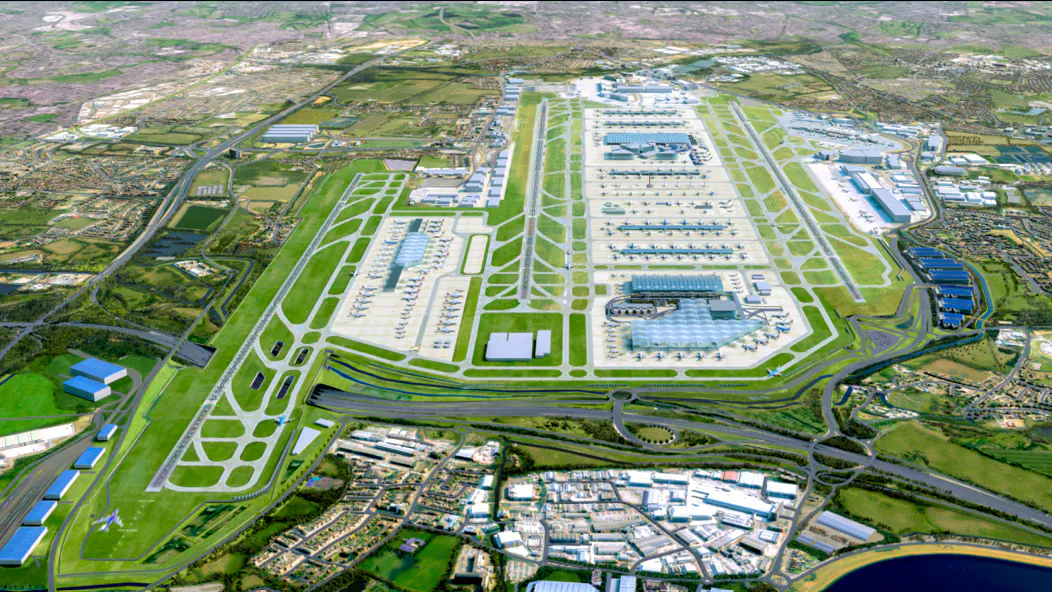
Heathrow is seeking to build a 3,500-meter runway, a project that would require rerouting the M25 motorway and the compulsory purchase of around 800 homes. The scheme is estimated to cost GBP 33 billion.
If approved, the expansion would allow the airport to operate up to 756,000 flights and serve up to 150 million passengers annually.
Heathrow CEO Thomas Woldbye said the consultation represented rare progress for major UK infrastructure projects, noting that the plan was privately funded and supported by businesses, trade unions, and communities.
However, Paul McGuinness, chair of the No 3rd Runway Coalition, criticized the plan, warning of a "decade of destruction" from demolitions before construction even begins.
He also warned that higher airline charges resulting from the project could price some carriers out of Heathrow altogether.
Celeste Hick of the Aviation Environment Federation said the government was rushing the policy through without meaningful consultation with communities who would bear the impact, including residents facing displacement.