

Bangladesh, Mauritius move to restore labor recruitment ties

Dhaka: Bangladesh and Mauritius have agreed to accelerate efforts to reopen the Mauritian labor market for Bangladeshi workers, raising hopes for the resumption of large-scale recruitment after nearly four years.
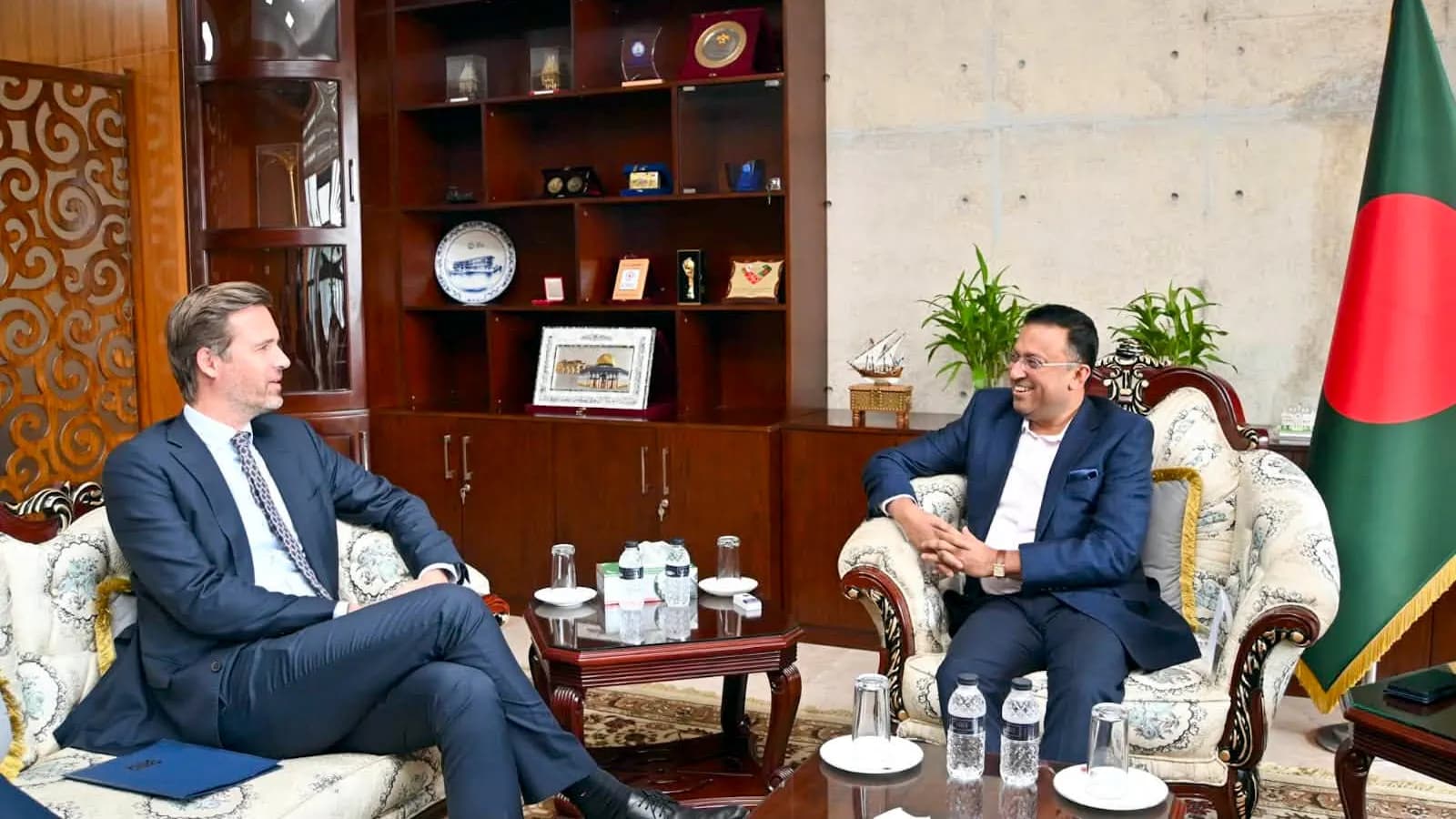
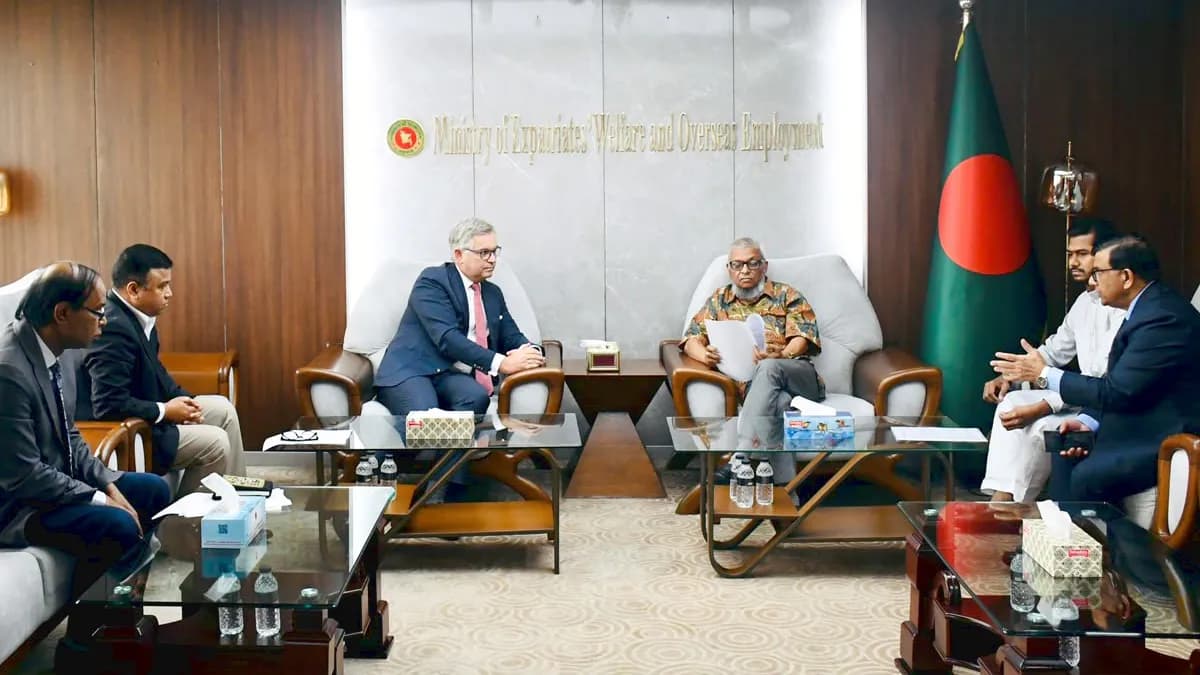
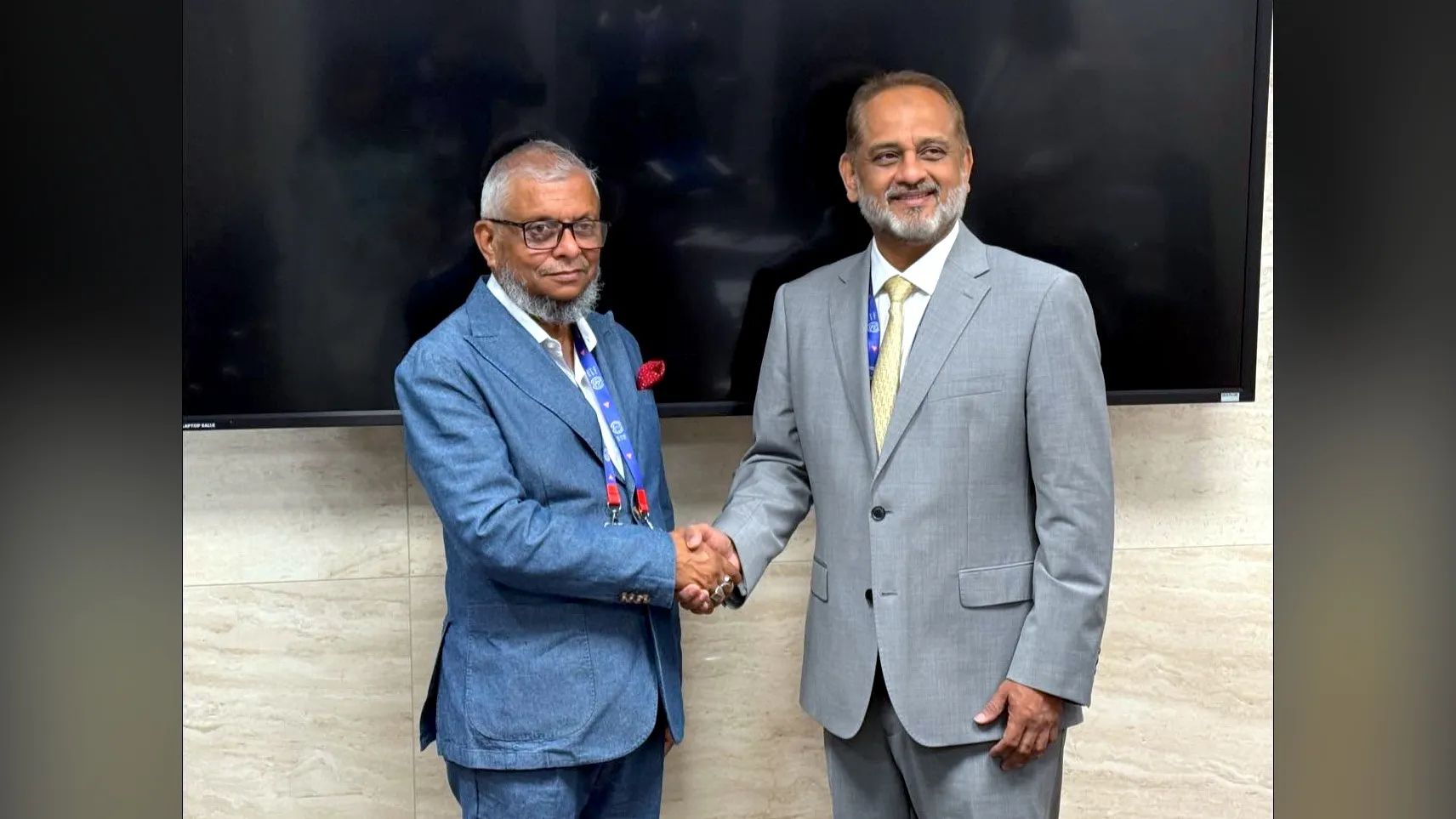
The decision came during a bilateral meeting between Bangladesh's Minister for Labor and Employment and Expatriates' Welfare and Overseas Employment, Ariful Haque Chowdhury, and Mauritius Labor Minister Mohammad Reza Cassam Uteem on the sidelines of the 114th International Labour Conference (ILC) in Geneva on June 8.
According to a press release, the two ministers discussed the current status of Bangladeshi workers in Mauritius, challenges surrounding labor migration, and future areas of cooperation. Both sides agreed to move forward with the signing of a Memorandum of Understanding (MoU) that would provide a formal framework for recruiting Bangladeshi workers.
During the meeting, Ariful conveyed greetings from Chief Adviser Tarique Rahman to the Mauritian government and stressed the importance of quickly finalizing the agreement to facilitate manpower exports from Bangladesh.
He highlighted the diversity and capability of Bangladesh's workforce, saying the country is prepared to supply skilled professionals in a range of sectors, including textiles, healthcare, engineering, and accounting.
"Bangladesh is ready to meet Mauritius' growing demand for skilled manpower," he said, adding that the proposed cooperation could benefit both countries.
The Bangladeshi adviser also invited his Mauritian counterpart to visit Bangladesh.
Responding positively, Uteem said Mauritius is interested in recruiting more skilled workers from Bangladesh, particularly for its textile sector, which remains one of the country's key industries.
He assured the Bangladesh delegation that Mauritius would soon send a draft MoU to facilitate the reopening process and deepen labor cooperation between the two countries.
The Mauritian minister also expressed interest in exploring investment opportunities in Bangladesh's textile industry, signaling the potential for broader economic collaboration beyond labor migration.
Sector insiders said the recruitment of Bangladeshi workers to Mauritius slowed significantly in recent years after concerns emerged over the conduct of a section of migrant workers. As a result, large-scale recruitment was largely halted, although some skilled workers have continued to enter the country through limited channels.
Mauritian authorities, however, have not publicly specified the reasons behind the restrictions on worker recruitment from Bangladesh.