

Thai Airways adds first GEnx-powered 787-9 from AerCap

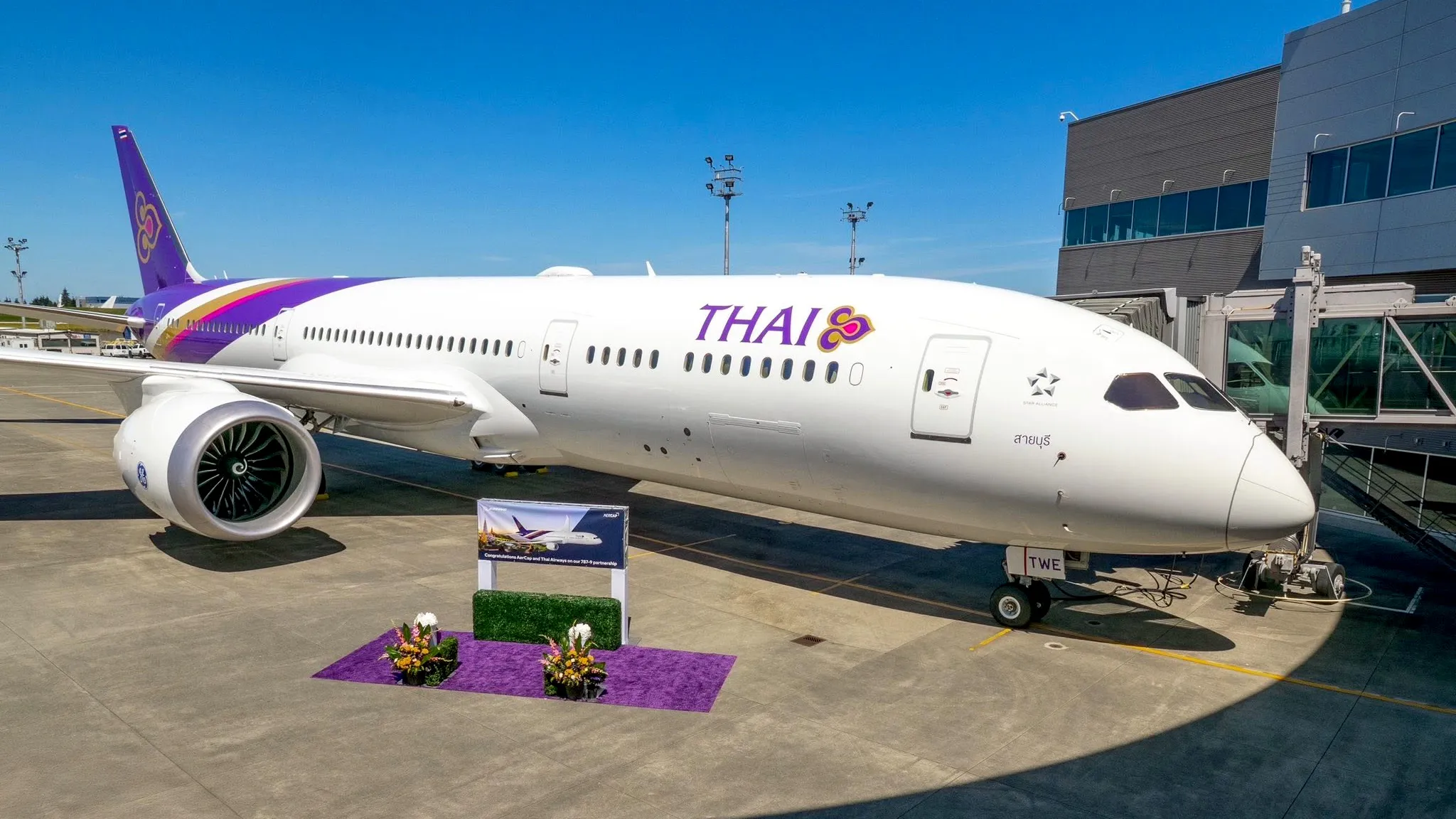
Dhaka: Thai Airways has received its first new General Electric GEnx-powered Boeing 787-9 Dreamliner from Dublin-based lessor AerCap, marking another step in the airline's ongoing fleet modernization program.
The delivery took place on June 23 at Boeing's Delivery Center in Everett, Seattle. The ceremony was attended by representatives from Thai Airways, Boeing, General Electric, and AerCap.
Thai Airways Chief Executive Officer Chai Eamsiri said the carrier was delighted to welcome its first new GEnx-powered 787-9, calling it another milestone in the airline's partnership with AerCap. He added that the aircraft's efficiency and range would allow the carrier to grow its network while offering passengers a more comfortable, modern flying experience.
AerCap Chief Commercial Officer Peter Anderson said the delivery reflects a long-standing relationship between the lessor and the airline, noting it would support Thai Airways' fleet renewal program while enhancing efficiency and sustainability across operations.
The newly delivered aircraft is the first of four Boeing 787-9s that Thai Airways plans to add to its fleet this year. It features a two-class cabin configuration with 30 Business Class seats in a full lie-flat 1-2-1 layout and 268 Economy Class seats arranged in a 3-3-3 layout.
Cabin products align with Thai Airways' existing 787-9 fleet but include enhancements such as upgraded inflight entertainment systems, with 17.3-inch screens in Business Class and 13.3-inch screens in Economy Class. Inflight connectivity is available throughout the cabin.
Thai Airways said the fleet expansion supports its goal of connecting Thailand with key destinations worldwide while investing in a more modern, passenger-focused operation. With three more 787-9 deliveries scheduled for this year, the airline is positioning itself for continued long-haul growth.
The Boeing 787-9 is a wide-body aircraft known for its long-range capability and fuel efficiency. The model reduces fuel consumption by up to 20% compared to previous-generation aircraft, which the carrier believes would support its commitment to sustainable fleet development.