

SriLankan chairman under fire over fleet expansion push, staffing plan

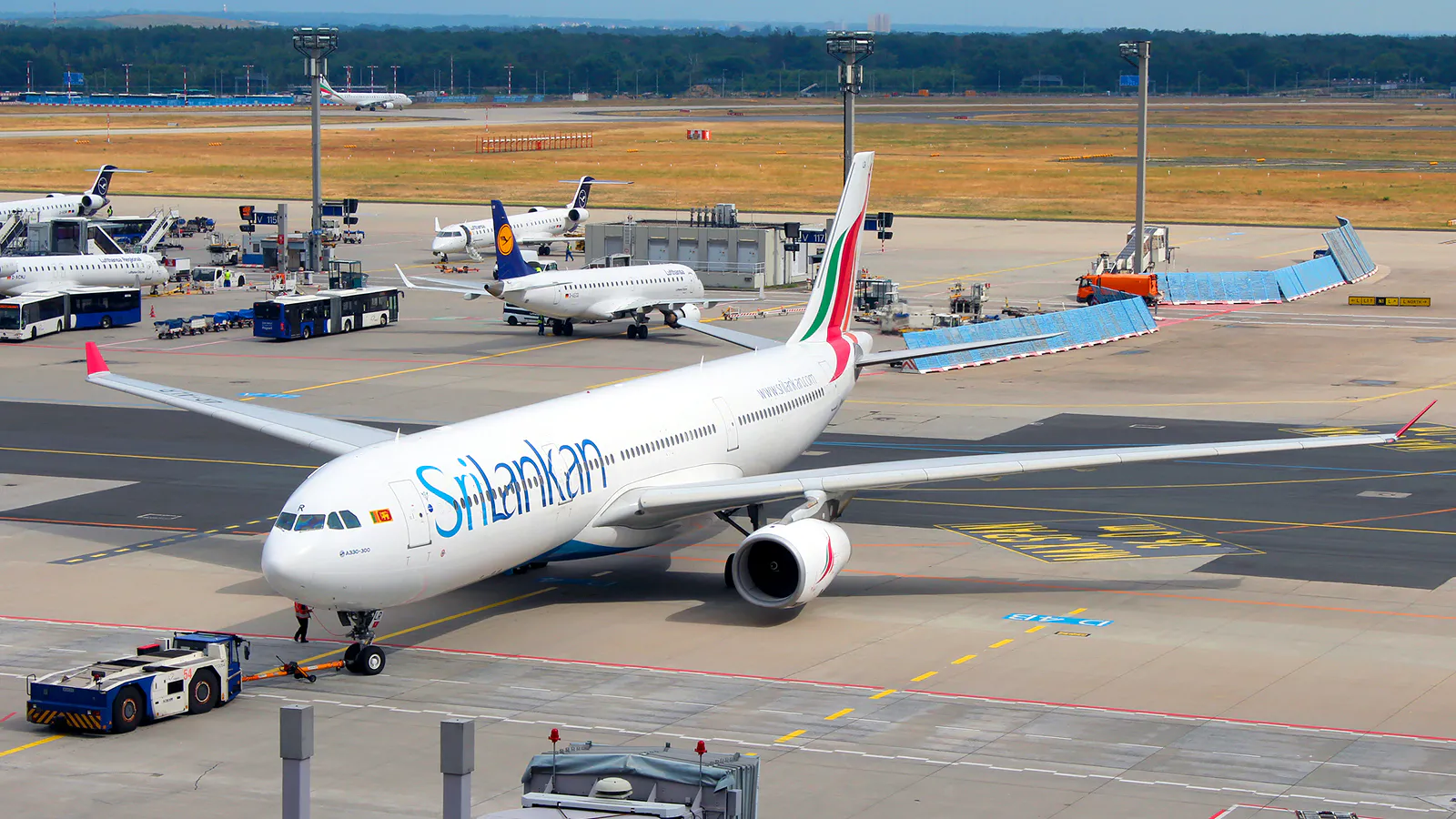
Dhaka: SriLankan Airlines' newly appointed Chairman Dimal Arandara is facing mounting criticism over a plan to expand the carrier's fleet instead of trimming its bloated workforce, after presenting the idea to a parliamentary committee.
Arandara told lawmakers that dividing the airline's staff count by its 23-strong fleet showed an excessively high maintenance-staff ratio per aircraft, arguing that adding more planes, rather than cutting jobs, was the appropriate fix.
He also highlighted the airline's success in securing steep lease discounts on wide-body jets, citing monthly rentals that dropped sharply from earlier levels once new agreements took effect since last December.
Arandara acknowledged that the leased aircraft are typically seven to eight years old rather than new, which pushes the fleet's average age to around 12 years.
Aviation analysts and critics, however, pushed back, noting the plan overlooks how maintenance costs climb as aircraft age. In FY26, the airline's lease costs totaled USD 78.6 million, while maintenance expenses reached USD 207.3 million, far outpacing lease savings. Adding older aircraft will only widen this gap, eroding any financial benefit gained from cheaper leases.
There are also concerns about capacity outpacing demand. Experts caution that expanding routes without matching passenger growth can hurt yields and load factors, worsening losses on already struggling routes.
That risk is significant given SriLankan's current network. A recent business plan showed 38 of the airline's 52 routes are unprofitable, including all 15 routes to India.
Questions have also been raised about who is vetting these strategic decisions. The restructuring committee overseeing the airline's turnaround, led by Senior Presidential Advisor on Digital Economy Dr. Hans Wijayasuriya, has been criticized for lacking members with direct aviation industry backgrounds.
Adding to the airline's troubles, SriLankan has gone without a permanent CEO for more than a year and four months. Despite drawing 172 applications in the first round and over 200 in the second, the airline said it could not meet the salary demands of qualified foreign candidates.
The prolonged vacancy drew sharp criticism from MP S. M. Marikkar, who chairs the Sectoral Oversight Committee on Infrastructure and Strategic Development. He questioned why the airline has struggled to fill the post either internally or externally, calling the situation reflective of deeper problems.
Marikkar also challenged the assumption that a CEO must have technical expertise across every operational area, arguing that specialists and department heads exist precisely to handle those functions and that effective leadership is ultimately about management ability.
He pointed to several private-sector firms where internally promoted leaders have outperformed external experts, questioning why SriLankan has overlooked homegrown talent in its search for a chief executive.
The remarks add to growing scrutiny of the airline's leadership decisions as it navigates financial strain and an ongoing restructuring process.