

Dubai's oldest building to reopen after five-year restoration

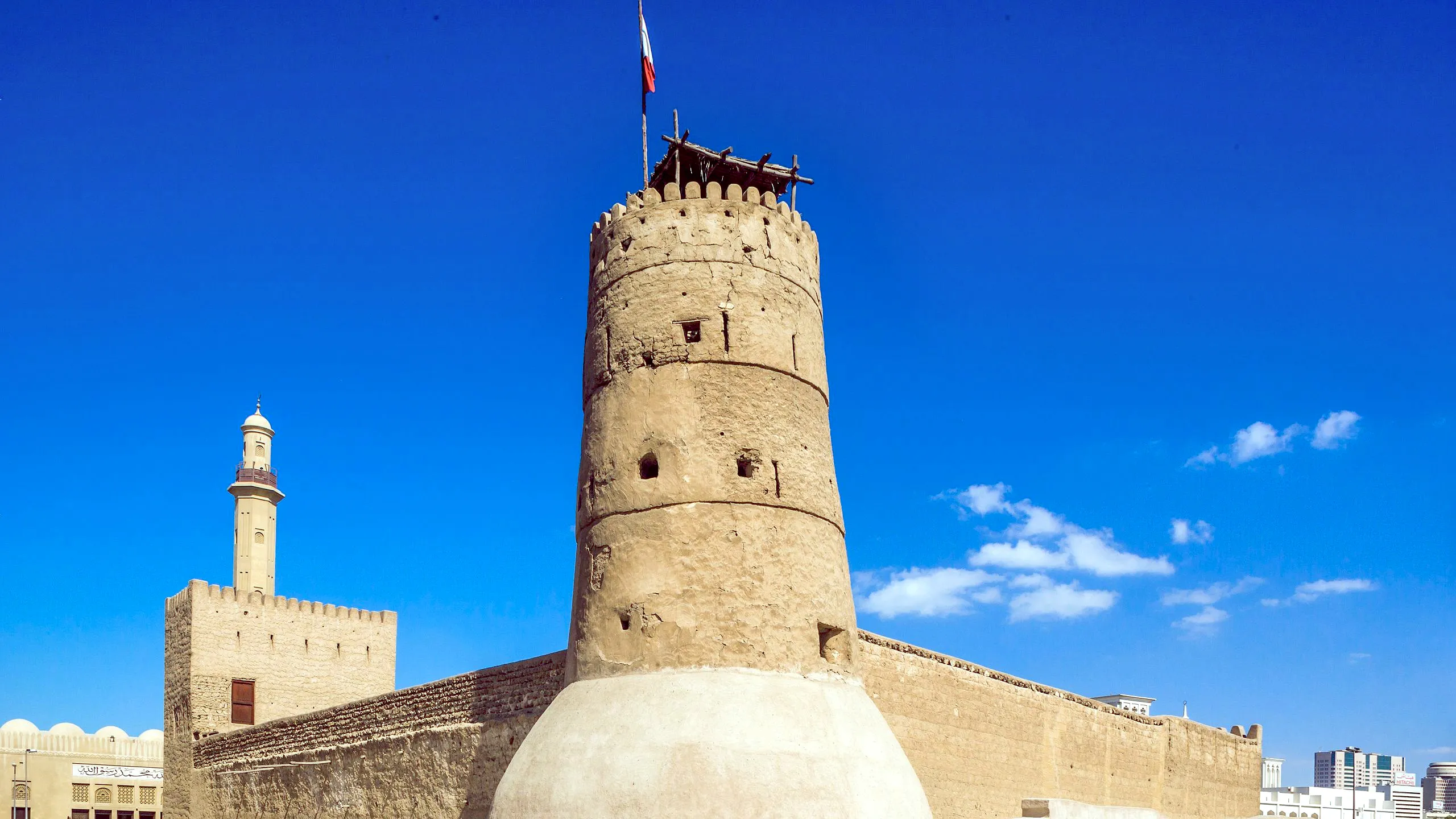
Dhaka: Al Fahidi Fort, Dubai's oldest surviving building, is set to reopen to the public following an extensive restoration project that lasted five years.
The fort sits in Old Dubai's historic Al Fahidi neighborhood, near the banks of Dubai Creek and beside the Al Seef waterfront development, which features a recreated souk evoking the city's past.
Built in phases as a defensive stronghold, the fort is roughly square, measuring 41 by 33 meters, with three corner towers. The oldest tower dates to around 1787. Its thick walls were built of coral and shell stones bonded with lime, while a heavy teak door reinforced with iron nails and brass plates serves as the sole entrance.
Over the years, the fort functioned as a royal residence, a seat of governance, a prison, and an arsenal, reflecting different chapters of the emirate's history. In 1971, the year the United Arab Emirates was founded, it became Dubai's first museum.
Ayisha Khansaheb, Director of Al Fahidi Fort and Specialised Museums at the Dubai Culture & Arts Authority, described the museum as an entry point into the city's history, stressing the importance of cultural heritage for tourists, residents, and local communities.
Visitors can explore the fort's history through artifacts, archival material, and immersive technology. The tour starts in a newly built underground extension, where galleries focus on defense, leadership, and craftsmanship.
Inside the fort itself, a light and sound installation called The Vault traces the history of Dubai's defense capabilities. Another gallery, A Landmark Across the Ages, follows the site's evolving roles over nearly two and a half centuries, while a display of Islamic arms and armor highlights the region's military past.
The site has also been designed with interactive activities aimed at children, making it an educational space for younger visitors.
The watchtowers, gates, and courtyard will remain open to the public, with the fort itself continuing to serve as the centerpiece of the exhibition, offering guests a chance to experience the emirate's history through its architecture.
Before the discovery of oil, Dubai Creek was central to the city's economy, with fish and pearls traded along its banks. The fort's reopening now bridges the reconstructed old souk and the skyscrapers that define modern Dubai.